
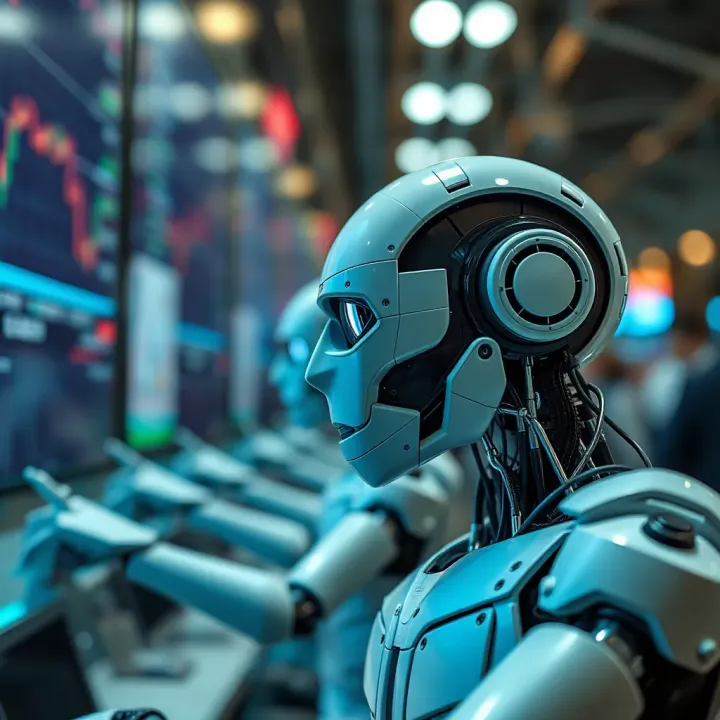
How Robot Trading Works in Forex Markets
🤖 Explore how robot trading works in forex, including tech, strategies, benefits, risks, and tips to use automated tools smartly in your trading plan!
Edited By
Oliver Bennett
Automated trading has become a significant part of how many investors and traders interact with financial markets today. Rather than manually placing trades, automated trading systems use computer programs to buy and sell assets based on preset rules and strategies. This reduces the time delay and emotional bias often linked to human decision-making.
In South Africa, where market volatility can spike during events like municipal elections or global economic shifts, automated trading offers the advantage of quick execution without needing constant attention. For example, an investor might program a system to buy shares in a JSE-listed company if the price drops below a certain threshold, helping them act swiftly even when away from their screens.
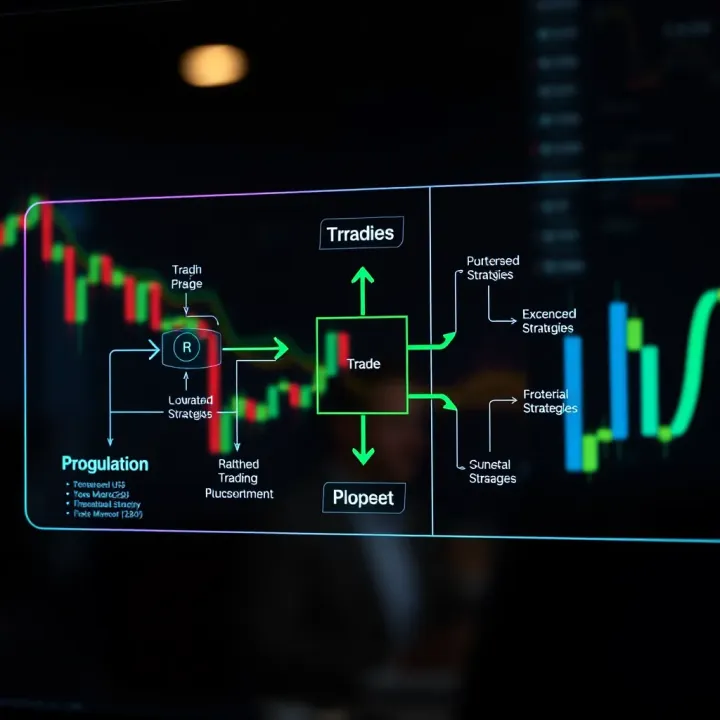
These systems work by following algorithms that analyse market data such as price, volume, and even technical indicators. If specific conditions are met, the software executes trades automatically. This means a trader can set parameters before the day starts, and the system will handle trades without further intervention.
Key benefits include:
Speed: Trades are placed instantly when conditions trigger, avoiding missed opportunities.
Discipline: Automated systems stick to the plan without emotional interference.
Backtesting: Traders can test their strategies against past market data to tweak for better performance.
However, automation is not without risks. Poorly designed algorithms can lead to unwanted trades, especially during unexpected market events or Eskom's loadshedding causing system disruptions. Investors should always monitor their systems and have safeguards, like stop-loss limits, to minimise losses.
Automated trading helps you engage the market consistently but demands clear strategy and oversight to manage risks effectively.
Before venturing into automated trading, consider factors like your familiarity with programming, cost of the trading platform, transaction fees, and local regulatory compliance under bodies like the JSE and FSCA. Understanding how your chosen provider handles data security and connectivity is also crucial to prevent interruptions.
In sum, automated trading can streamline your investment approach, especially in the fast-paced or volatile environment of South African markets, but it’s no set-and-forget. With careful set-up and consistent review, it has the potential to enhance your trading efficiency and discipline.
Automated trading refers to using computer programs to execute trades automatically based on predefined criteria. For South African investors, this means trades can happen faster and more precisely without constant manual input. Understanding how automated trading works is key to leveraging its benefits and managing inherent risks.
Automated trading systems are software programs that automatically place buy or sell orders on the stock market according to a set of programmed rules. These rules could be based on technical indicators, price movements, or timing. For example, an automated system might buy shares of an JSE-listed company when its 50-day moving average crosses above the 200-day average.
Algorithms form the backbone of these systems, serving as step-by-step instructions that the software follows. The more sophisticated the algorithm, the better it can interpret market trends and make decisions. Trading software then interacts with brokers’ platforms to place orders rapidly, ensuring investors don't miss opportunities due to slow reaction times.
Automated systems typically use various market orders such as limit orders, stop-loss orders, and market orders. For instance, a stop-loss order can be automatically triggered to sell shares if the price dips below a certain level, protecting investors from deeper losses during volatile sessions.
Application Programming Interfaces (APIs) connect automated trading algorithms with brokers’ online platforms. Through APIs, software can send orders directly to a broker like EasyEquities or Standard Bank Online Trading without manual input. This connection is vital for real-time trade execution and monitoring.
Languages like Python, Java, and C++ are common in developing trading algorithms. Python, in particular, is popular for its readability and large support libraries, making it easier to test and adjust strategies quickly. A trader might tweak their Python code to fine-tune a strategy based on recent market conditions.
Reliable data feeds are essential for automated trading systems to function effectively. These feeds provide up-to-date price, volume, and market news information. For example, a system that relies on tick-by-tick price data needs access to real-time feeds from sources like Bloomberg or local market data providers to make accurate decisions.
Automated trading blends technology and finance, requiring both solid programming and market knowledge to make the most of its efficiencies.
This knowledge allows South African investors and traders to tap into fast-paced market movements while managing trades systematically, something near impossible to do manually at the same speed or accuracy.
Automated trading offers several advantages that make it appealing to investors serious about optimising trade outcomes. It’s especially useful in fast-moving markets like the JSE or cryptocurrency exchanges, where timing and consistency matter. Let’s break down why many traders opt for these systems.
The most obvious edge of automated trading lies in its speed. Algorithms execute trades in fractions of a second once conditions set in the system are met. This speed simply can’t be matched by human traders manually clicking buttons. This is crucial when reacting to sudden market signals or price changes, particularly during volatile market hours. For instance, during a sharp sell-off, the system can instantly sell off positions or enter stop-loss orders, potentially saving large losses.
Besides speed, these systems can juggle several trades across various stocks or asset classes at once. Where a human might lose track juggling multiple markets, an automated system monitors and acts on many trades without breaking a sweat. Imagine managing trades across the US equities market and the JSE simultaneously during overlapping sessions — automated systems keep pace and seize opportunities where manual execution would lag.
Emotions like fear and greed often cloud human judgement, leading to hasty or irrational trades. Automated trading sticks rigidly to the pre-programmed rules, executing strategies unemotionally. This can prevent the common mistakes traders make, such as holding onto losing positions hoping for a bounce or exiting winning trades too soon. An automated system’s discipline helps maintain a steady course even when markets get jittery.
During episodes of sharp volatility–like sudden currency fluctuations or news shocks–many traders might act impulsively, leading to poor outcomes. Automated systems resist this because they operate solely on coded signals. For example, during unexpected Eskom load shedding announcements that affect market sentiment, an algorithm won’t panic sell but will execute decisions based on tested parameters – shielding you from reactionary losses.
Even experienced traders can struggle with staying disciplined. Automated trading enforces adherence to your strategy, removing human inconsistency. This means your rules for entry, exit, and risk management apply uniformly no matter the market mood, helping prevent deviation from tested plans.
Before risking real money, automated systems allow your strategies to be backtested against historical data. This process checks how your setup would have performed over years of market activity, including diverse conditions. For instance, backtesting a momentum-based strategy on past JSE data helps identify strengths and weaknesses. This insight lets you adjust parameters to improve performance, a step often skipped in manual trading due to complexity.
Automated trading is not just about speed — it’s also about discipline and efficiency that protect your investment strategy from human error and market noise, making it a valuable tool for South African investors navigating local and global markets.
In the next sections, we will explore potential drawbacks and how to get started responsibly with these systems in South Africa.
Automated trading offers many advantages, but traders and investors should be fully aware of its risks and limitations. Understanding these aspects helps manage expectations and avoid costly pitfalls. While technology can speed up execution and eliminate emotional biases, it remains vulnerable to technical problems, poor strategy design, and sudden market shifts. These issues can hurt performance and require active oversight.
Power outages and internet disruptions can abruptly halt automated systems from operating. In South Africa, loadshedding remains a persistent challenge that can disconnect trading platforms unexpectedly. Without power or internet, your trades won’t execute as programmed, possibly leaving positions open and exposed to market risk. Some traders use backup power sources or secondary connections, but these add complexity and cost.
Software bugs and glitches present another layer of risk. Even well-coded algorithms can contain errors that cause unintended trades or missed opportunities. For instance, a minor mistake in order logic could trigger excessive buying or selling, wiping out gains quickly. Routine testing and updates are essential, but they can’t catch every scenario. Traders should monitor system performance closely and have manual override options.
Risks of overfitting to past data arise when trading systems are too finely tuned to historical market conditions. This means the algorithm performs well in backtests but struggles in live markets when conditions differ. For example, if a strategy is based on patterns that worked only during a bull run, it might fail badly during a downturn.
Misleading backtest results can give traders a false sense of security. Backtests rely on historical data, which might not include rare but impactful events like the 2008 financial crisis. An apparently profitable system could collapse under unexpected volatility or new market regimes. Traders should use backtesting as just one tool among others, supplementing it with forward testing and ongoing evaluation.
Extreme volatility events happen without warning and can upset automated systems. Sudden spikes or plunges might trigger rapid-fire trades, widening losses before safeguards kick in. The South African market, influenced by global shocks or domestic political developments, can experience such whiplashes, making automated trading vulnerable.
Changes in market regulations and trading rules also impact automated trading. New rules can affect order types, margin requirements, or permitted instruments, rendering existing algorithms non-compliant or ineffective. Staying updated with regulatory changes from authorities like the Financial Sector Conduct Authority (FSCA) and adapting systems accordingly is crucial.
Automated trading should never be left entirely unattended. Regular checks, thoughtful strategy design, and contingency plans help mitigate these risks and keep investors in control.
Automated trading has become more accessible for South African investors, but getting started requires practical know-how beyond choosing software. It’s vital to understand which platforms and brokers suit your needs, how to develop or select trading strategies, and the local regulatory landscape. These steps ensure your trading journey isn’t just a shot in the dark but one grounded in informed decisions that work with South African market realities.
South African traders can pick from both local and international brokers that support automated trading. Platforms like EasyEquities and IG, for example, offer automated services catering to retail investors. At the same time, big players like Interactive Brokers serve more advanced traders with global reach. Choosing between these depends on your familiarity with local markets, currency considerations, and the instruments you want to trade.
Fees and reliability are equally important. Some brokers charge monthly platform fees or commissions that can eat into returns, especially if you trade frequently. Other platforms might have variable spreads or hidden costs. Reliability matters too, particularly during peak trading times or when Eskom loadshedding hits. Picking a broker with a stable platform and strong customer support can make a huge difference in preventing downtime or technical glitches that disrupt automated strategies.
You have two main paths here: use pre-built strategies or develop your own code. Many platforms provide handy pre-set strategies tailored to popular markets or trading styles. This option suits beginners or those short on coding skills, offering a ready-made approach tested by others. However, custom coding lets seasoned traders tailor strategies precisely to their risk appetite and market views, improving control but requiring more know-how.
Testing your strategies upfront cannot be skipped. Paper trading or simulations allow you to trial your system in real market conditions without risking actual money. This step exposes weaknesses or bugs and builds confidence that your automated rules perform as expected before you commit capital. Especially given South Africa’s unique market conditions like lower liquidity in some stocks or forex pairs, simulation helps avoid nasty surprises.
South African investors must comply with the country’s financial laws when using automated trading. The Financial Sector Conduct Authority (FSCA) oversees market conduct, and depending on your trading scale or whether you offer advice, there might be licence or reporting requirements. It helps to check that your chosen broker complies fully with these rules, ensuring your trades operate within legal bounds.
On the tax front, SARS treats gains from automated trading like any other investment profits. You need to declare capital gains or losses on your tax return, keeping clear records of trades, fees, and dividends. If trading forms part of a bigger business or is very frequent, SARS might view it differently, and seeking professional advice is wise. Staying on top of SARS reporting avoids nasty penalties and keeps your investment activities above board.
Starting with automated trading in South Africa is about more than just technology. Choosing the right broker, finding or building good strategies, and understanding compliance ensures you start on a firm foundation aligned with local realities and legal requirements.
Automated trading continues to evolve rapidly, with advances shaping how investors engage with markets. Understanding these trends helps traders and financial advisors prepare for the growing role of technology in investment strategies. For South African investors, keeping pace with the latest developments can offer a competitive edge and greater control over trading outcomes.
Artificial intelligence (AI) and machine learning (ML) are steadily enhancing the ability of automated trading systems to forecast market movements. These technologies process vast amounts of historical data alongside current indicators to identify subtle patterns that humans might miss. For example, AI can analyse the impact of unexpected local events, such as changes in Eskom’s load-shedding schedules, and adjust trading signals accordingly. This improves the accuracy of entry and exit points, reducing losses and increasing profits in often unpredictable markets.
Machine learning algorithms go beyond fixed rules by adapting their strategies in real time. This means systems can respond to shifts in market volatility, liquidity, or regulatory changes without manual intervention. Suppose a sudden change in exchange rate policies or currency controls affects currency pairs, the algorithm can recalibrate to mitigate risk or capitalise on new opportunities. This flexibility is particularly valuable in emerging markets like South Africa, where sudden economic or political shifts are not uncommon.
Automated trading was once the preserve of institutional players because of high setup costs. However, the barrier to entry is dropping steadily. Several South African brokers now offer affordable platforms with built-in trading bots or strategy builders that require little to no coding knowledge. This democratises access, enabling smaller investors to implement systematic approaches previously reserved for hedge funds or banks. For instance, using a low-cost platform, an investor can deploy a simple algorithm to trade the JSE Top 40 index with minimal upfront investment.
The rise of mobile apps and cloud computing means investors can run automated strategies anywhere, anytime. South Africans can manage trades on platforms supported by brokers like EasyEquities or ThinkMarkets via their smartphones, avoiding the need for dedicated hardware or complex setups. Cloud-based services offer reliable uptime and fast execution speeds, even during peak hours. This convenience allows for swift adjustments in response to news or loadshedding interruptions, ensuring trading strategies remain operational and responsive.
As technology matures, expect automated trading to become more integrated into everyday investing, with increased sophistication and access enhancing decision-making capabilities for all investors.
🤖 Explore how robot trading works in forex, including tech, strategies, benefits, risks, and tips to use automated tools smartly in your trading plan!
🤖 Discover how robot trading works in South Africa! Learn about its benefits, risks, regulatory issues, and practical tips for smart investing.
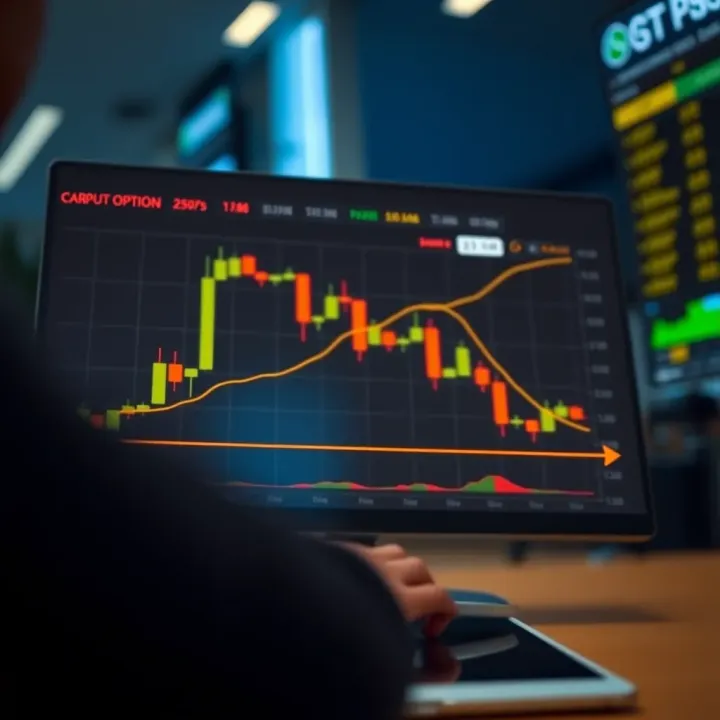
Explore option trading basics, strategies, market tips, and risks tailored for South African investors 🇿🇦. Make smarter investment choices today! 📈
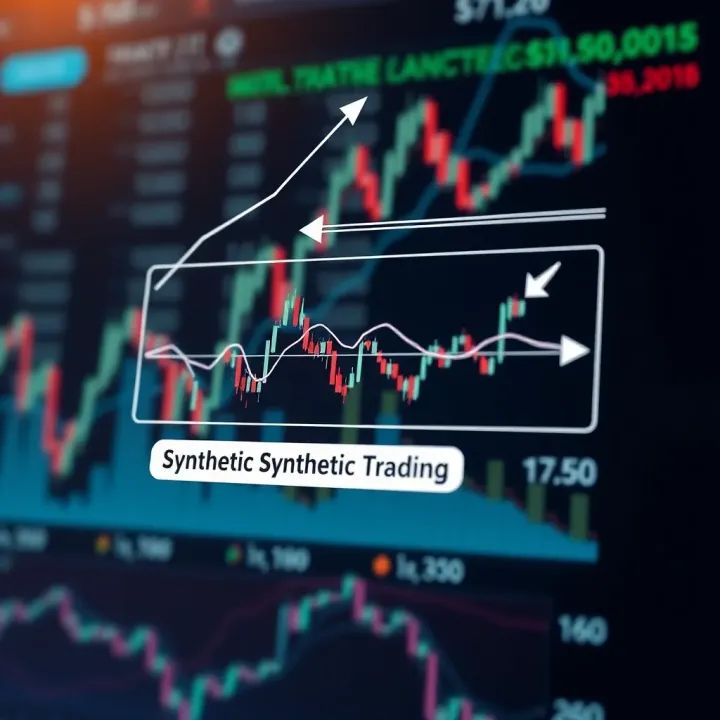
Explore synthetic trading in South Africa 🇿🇦: learn how to mimic asset payoffs, build strategies, weigh risks, and navigate regulations for smarter investing 💼📊.
Based on 10 reviews