

SmartTrader Guide for South African Traders
📊 Navigate SmartTrader with ease—discover features, risks, and tips for South African traders. Get insights on setup, strategies, and support! 🇿🇦
Edited By
Grace Turner
South African traders often face a tricky choice between various trading platforms, especially when balancing global reach with local relevance. Two platforms frequently mentioned are TradingView and Deriv.com, each with distinct strengths that make them appealing depending on your trading style and goals.
TradingView stands out mainly as a comprehensive charting and analysis tool. It attracts traders who need advanced visualisation features and community-driven insights. Its interface offers nearly endless customisation, allowing you to build charts packed with indicators, drawing tools, and alerts. Plus, you get access to a vast user base sharing strategies and scripts — quite handy if you want to learn or test before committing real money.
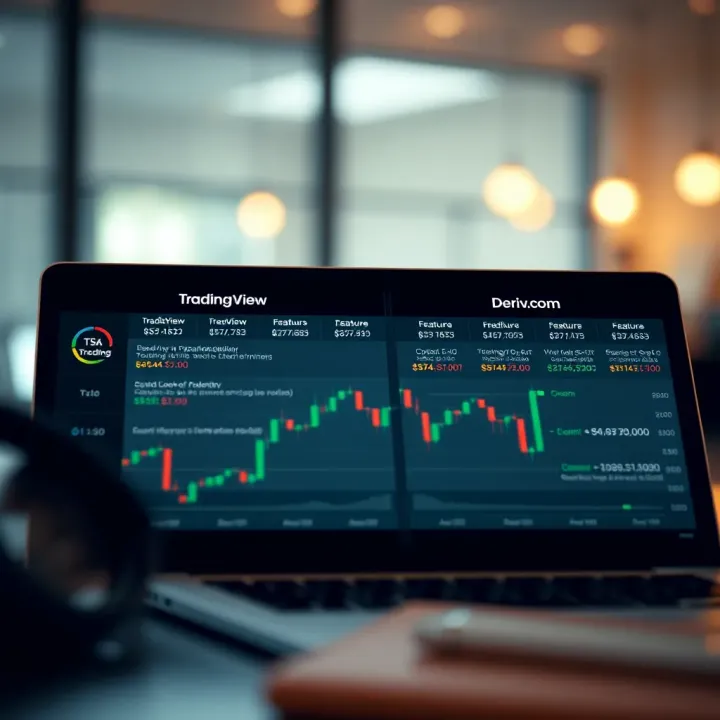
On the other hand, Deriv.com is a trading platform that directly allows you to invest in various financial instruments like forex, synthetic indices, and commodities. Its strength lies in straightforward access to markets with a user-friendly setup and various order types. For South Africans, Deriv.com provides leveraged options, which can increase potential returns but also amplify risks. Notably, its price model includes spreads that adjust depending on market conditions, a factor to keep in mind for cost management.
Regulation and safety are top priorities too. TradingView operates mainly as a charting and social platform and partners with various brokers to execute trades, meaning your actual funds are held with these brokers, whose licences and protections you should verify separately. Deriv.com is licensed in several jurisdictions, but traders should review whether it complies with South African regulatory standards or whether additional safeguards like fund segregation are in place.
For traders looking to deepen their technical analysis and community engagement, TradingView offers unmatched tools — but remember to pair it with a trustworthy broker to trade live. Meanwhile, Deriv.com serves those seeking quick access to diverse markets under one roof, with a platform designed for both beginners and seasoned traders.
Pricing models differ notably: TradingView offers free and tiered subscriptions, which can affect the number of indicators or charts you can run simultaneously. Deriv.com’s fees are embedded in spreads and overnight commissions rather than subscription costs.
In summary, your choice hinges on what you value more — robust charting power and social trading (TradingView) or direct market access with potentially higher leverage (Deriv.com). Understanding these differences will help you tailor your trading setup to suit your comfort level and financial ambitions here in South Africa.
South African traders face unique market challenges, such as exchange rate volatility and intermittent internet issues. Understanding the basics of TradingView and Deriv.com upfront helps make an informed choice that aligns with local needs and trading goals.
TradingView started as a simple charting tool in 2011, created by a group of software developers wanting to make advanced market analysis accessible to everyone. This background reflects its strong technical focus, providing traders globally with interactive charts and real-time data.
For South African users, TradingView’s origins mean you get a platform rich in visual and analytic tools, ideal for serious charting and market study. Its long development has added numerous technical indicators and a scripting language, Pine Script, allowing traders to build and customise their strategies.
TradingView’s global appeal stems from a vast user base across more than 100 countries, including many in the local investing community. Its social features enable sharing ideas, which helps users pick up nuances in markets like the JSE, forex, and commodities.
For a Johannesburg-based trader keeping an eye on both global and local markets, TradingView’s community-driven approach can offer timely tips and strategies. This network effect often brings insights not easily found in isolated research.
Deriv.com is an evolution of the Binary.com platform, which has been operational since the late 1990s. It transformed into Deriv.com in 2019 to broaden its offerings beyond binary options to more diverse financial products.
The company is registered and regulated in several jurisdictions, with a focus on online trading services. Its longstanding presence carries practical relevance for South African traders looking for a platform with an established track record.
Deriv.com specifically targets traders interested in binary options, CFDs (contracts for difference), and synthetic indices. Its real-time pricing and flexible contracts cater to those seeking quick trades or diversified exposure without owning the underlying asset.
For traders in South Africa who want to engage with more speculative products or test strategies through demo accounts, Deriv.com provides a tailored experience. Its platform simplicity and mobile options respond well to frequent market fluctuations and internet availability challenges typical locally.
Both TradingView and Deriv.com bring distinct histories and user bases that shape their offerings. Knowing these origins aids South African traders in matching platform strengths to their needs, whether for detailed charting or dynamic trading products.
Choosing the right trading platform often hinges on the range of instruments available and the ease of market access. For South African traders, these factors directly affect diversification opportunities, transaction costs, and trading flexibility. Access to various asset classes also allows investors to respond quickly to different market environments, whether it’s a sharp move in the rand, global stock shifts, or commodity price swings.
Stocks, forex, cryptocurrencies: TradingView is widely recognised for its broad access to global stocks and forex pairs, hosting thousands of markets from the JSE to the NYSE. South African traders can track companies like Naspers or Sasol alongside US tech giants such as Apple or Tesla. The forex offering includes major pairs like USD/ZAR, EUR/USD, and emerging African currencies, catering well to local needs. Cryptocurrencies are also well covered, with Bitcoin, Ethereum, and more exotic coins available to monitor, offering avenues for traders eyeing volatile digital assets.
Commodities and indices: The platform provides detailed real-time charts and data on commodities including gold, platinum, and oil, assets that South Africans often monitor given the country’s resource-rich economy. Indices like the FTSE/JSE Top 40 and global benchmarks such as the S&P 500 or Nikkei 225 give users a quick gauge of broader market sentiment. Having this range under one roof helps traders evaluate correlations between markets — for example, how rand weakness might affect gold prices.
Binary options and CFDs: Deriv.com stands out for its offering of binary options and Contracts for Difference (CFDs), favoured by traders seeking shorter-term speculation. Binary options allow South Africans to bet on price direction with fixed risk and reward, suiting those who prefer straightforward outcomes. CFDs expand possibilities with leverage, permitting exposure to price moves without owning the underlying asset. This is useful for traders focused on currency pairs or indices who want to capitalise on small price shifts without committing large capital.
Forex and synthetic indices: Besides standard forex, Deriv.com provides synthetic indices — artificially created market movements designed to mimic real-world volatility but available 24/7 and unaffected by external news. For South Africans dealing with loadshedding and inconsistent internet, these synthetic markets offer continuous trading opportunities. Forex offerings cover several popular pairs including USD/ZAR, essential for those monitoring local economic fluctuations. Together, these products balance real-world and simulated trading experiences.
Access to a diverse asset mix and product types is essential: it lets traders shape their strategies to suit market conditions, available capital, and risk levels — a consideration that’s especially true in the South African context where market volatility and infrastructure challenges are constant factors.

In trading, the quality of platform features and tools can directly influence your decision-making and overall success. For South African traders, who often juggle local market idiosyncrasies like loadshedding and fluctuating internet quality, having reliable, efficient, and intuitive trading tools is essential. These features help in analysing markets swiftly, executing trades timely, and managing risk effectively. Whether you’re a day trader or someone with a longer-term view, understanding the specific capabilities of TradingView and Deriv.com will guide you towards making a practical choice tailored to your trading style.
TradingView stands out with its extensive range of technical indicators and drawing tools. It offers over 100 built-in indicators like moving averages, RSI, and MACD, which are key to spotting trends and potential turning points. Moreover, the flexibility of drawing tools lets traders mark support and resistance levels or sketch trend lines easily. For example, a local trader tracking the JSE’s Top 40 shares can quickly switch between candle charts and line charts, overlay moving averages, and identify breakout points all in one screen. This visual clarity is crucial when seconds count in volatile markets.
One unique aspect of TradingView is its collaborative community where users share custom scripts and strategies. These scripts, written in Pine Script, can automate complex calculations or generate alerts based on personalised criteria. For a South African forex trader, leveraging a popular community script that detects currency pair reversals or flags unexpected volatility could shave time off analysis and boost trading precision. Plus, with continuous community feedback and updates, these strategies evolve to accommodate changing market patterns.
Deriv.com prioritises a straightforward user interface that suits both new traders and those wanting quick execution. Its design minimises clutter yet presents essential information like price charts, order types, and trades in progress clearly. A practical example is the one-click order feature, which helps traders respond fast to market moves — especially important for binary options users where seconds can mean the difference between profit and loss.
Deriv.com offers both web-based and mobile applications, allowing traders to access their accounts and place trades wherever they are. The mobile app is optimised for Johannesburg’s sometimes patchy mobile networks, ensuring trades can still be executed reliably despite spotty connectivity. The web platform doesn’t require heavy downloads, meaning it runs faster on low-spec devices common in South Africa. This adaptability benefits traders who can’t always be at their desk but want to stay connected to the market.
Efficient tools and thoughtful platform design aren’t just conveniences — they’re must-haves for South African traders navigating an often unpredictable market environment. Choosing a platform with features that match your trading style can make all the difference.
Pricing and fees heavily impact a trader’s bottom line, especially in South Africa where market conditions and costs vary significantly. Understanding the fee structure helps you compare what you actually pay per trade or per month, beyond just the platform’s features. Account types shape not only costs but access and flexibility, so it’s vital to get a clear picture of what each platform offers.
TradingView operates a freemium model, giving users access to basic charting tools and a limited selection of indicators for free. For traders keen on adding more advanced features—like multiple charts on screen, additional indicators, or access to real-time data—the paid subscriptions come in tiers: Pro, Pro+, and Premium, each progressively unlocking more capabilities. For example, the Premium tier supports up to 25 indicators per chart and alerts with shorter intervals, which might suit day traders or those juggling multiple markets.
However, while the subscription unlocks tools and performance enhancements, access to market data for some exchanges can come with additional fees. For instance, real-time data from the Johannesburg Stock Exchange (JSE) is available but usually requires a separate subscription paid monthly. This means a user could subscribe to TradingView Premium but still need to pay JSE data fees to get up-to-the-minute pricing, important for active stock traders.
Beyond subscriptions and data fees, South African traders should watch out for third-party service costs integrated with TradingView. These might include brokerage connection fees if you link the platform to certain brokers or costs for extra plugins and scripts developed by the community. Additionally, TradingView’s platform runs on a cloud basis, so a reliable internet connection is essential. While not a direct fee, poor connectivity in some areas or during Eskom loadshedding can disrupt the trading experience.
Deriv.com charges spreads on all trades rather than a direct commission. The spread is the difference between bid and ask prices and varies by asset and market conditions. For example, forex pairs tend to have tighter spreads, often below one pip, whereas synthetic indices might have wider spreads given their volatility. Traders also need to consider rollover fees, applicable when positions are held open overnight, which can add up with frequent trading.
Deriv.com offers both demo and real accounts. The demo account is completely free and allows newcomers to practise without risking real money. This is crucial for South African traders unfamiliar with binary options or CFDs to get a feel for the platform. The real accounts come with different leverage options and minimum deposit requirements, typically starting around R100 to R200, which makes it accessible for most retail traders.
When choosing between platforms, remember that while TradingView focuses on charting and analysis with varying subscription fees, Deriv.com centres around trading execution with spreads and rollover costs shaping your trading expenses.
Both are upfront about their fee structures, but South African traders should carefully consider local factors like payment options and internet stability alongside these fees before committing.
When picking a trading platform, understanding regulatory aspects and security measures is key. These factors affect your protection as a trader, the trustworthiness of the platform, and how your data and funds are safeguarded. For South African traders, dealing with platforms that comply with solid regulations and maintain robust security practises reduces risks like fraud, unauthorised access, and unfair trading conditions.
TradingView, primarily known as a charting and social trading platform, holds vast amounts of user data, including financial preferences and trading strategies. It commits to protecting this information by employing encryption standards and complying with global data protection standards like GDPR. Practically, this means your profile and usage data are kept confidential, helping avoid unwanted data leaks that could expose sensitive trading positions.
However, TradingView operates in many jurisdictions and stores data on third-party servers, so their security depends partly on external cloud service providers. Traders in South Africa should be aware that while their data is largely secure, some elements rest on the platform’s broader infrastructure and privacy policies.
TradingView’s strength lies in its ability to connect with many brokers and apps, offering smooth execution and enhanced analysis tools. Yet, this openness also comes with a risk: not all third-party connections have the same level of security scrutiny. For example, if a broker linked to TradingView experiences a breach, it could indirectly impact your trading accounts or data.
South African users should check which brokers they connect to and understand the associated risks. It's wise to only integrate trusted brokers regulated in recognised jurisdictions. Regularly reviewing permissions and practising good cybersecurity hygiene, such as using strong, unique passwords and enabling two-factor authentication (2FA), improves safety.
Deriv.com operates under several licences issued by financial authorities including the Malta Financial Services Authority (MFSA) and the Labuan Financial Services Authority in Malaysia. These Licences require Deriv.com to follow specific standards for fair trading, transparency, and client fund segregation. Such regulation helps prevent malpractice and provides a layer of accountability.
For South African traders, although Deriv.com is not locally regulated by the Financial Sector Conduct Authority (FSCA), having recognised overseas licences gives some assurance about operational integrity. It's a good idea to verify these licences and see if the platform’s regulatory scope meets your comfort level.
Deriv.com emphasises client fund protection by keeping trading funds in segregated accounts, separate from company operating accounts. This segregation means that even if the company faces financial difficulties, your deposited money is protected and can be returned.
Additionally, Deriv.com often offers negative balance protection, ensuring traders can't lose more than their deposited capital. For South African traders, these safeguards are practical benefits because they lower exposure to financial risks, especially amid volatile markets and currency fluctuations.
Always check the fine print on client fund policies and regulatory standings before committing funds. Understanding these protections gives you peace of mind while trading.
In sum, South African traders should weigh up the differences in regulatory backing and security focus between TradingView and Deriv.com. While TradingView excels in data privacy and integrated analysis tools, Deriv.com provides a trading environment with clearer regulatory oversight and client fund protection measures.
Understanding how well TradingView and Deriv.com fit the South African trading context is vital for making an informed choice. Local market conditions, payment systems, and infrastructure challenges play a defining role in whether these platforms serve your trading needs effectively. Both platforms offer global access, but adapting to South African realities often makes all the difference for users here.
Availability of South African market data
TradingView provides a rich array of global data including stocks, forex, commodities, and cryptocurrencies. However, when it comes to South African market specifics like the JSE (Johannesburg Stock Exchange) listings or local indices, TradingView’s availability is somewhat limited to delayed feeds or third-party data vendors. This means South African traders seeking real-time JSE data usually need to subscribe separately or accept some lag, which impacts intraday traders or daytraders who rely on timely info. For instance, if you're tracking Blue Chip shares or performing technical analysis on the JSE Top 40, delayed data by even a few seconds can affect decision-making.
Payment methods and data costs
TradingView supports a variety of payment options including international credit cards and PayPal, but South African users might find limited direct support for local payment gateways or EFTs. This can mean relying on cards linked to foreign currency accounts or incurring conversion fees. On top of that, premium features or specific real-time feeds often come with recurring subscription costs in US dollars, so exchange rate fluctuations may hike up expenses unexpectedly. For example, a R300 monthly TradingView Pro+ subscription could jump by 10% if the rand weakens against the dollar. Budget-conscious traders need to consider these ongoing costs relative to their trading volume and income.
Deposit and withdrawal options
Deriv.com is widely popular for its ease of deposits and withdrawals, supporting methods common in South Africa such as Neteller, Skrill, and traditional bank transfers from local banks like FNB and Standard Bank. This local banking compatibility makes moving funds smoother compared to platforms that only support international wire transfers. Still, withdrawal processing times vary, often taking between 24 to 72 hours depending on the method and verification status. For the everyday trader, such timing might be manageable, but if quick access to funds is needed—say for urgent market moves—this delay requires planning. Also, Deriv occasionally implements deposit minimums or withdrawal limits that South African users must check beforehand.
Impact of loadshedding and internet reliability
South Africa’s notorious loadshedding challenges, especially in Gauteng and KwaZulu-Natal, can disrupt trading sessions unexpectedly. Both TradingView and Deriv.com depend on reliable internet connections, and power outages combined with inconsistent broadband can create hurdles. Traders working from home might consider backup solutions such as UPS devices, mobile data bundles from Vodacom or MTN, or even solar-powered routers to stay connected during Eskom’s power cuts. Trading on Deriv's mobile app might provide more flexibility since it is optimised for low bandwidth, but complex charting on TradingView could lag or freeze under poor connection. Hence, South African traders should factor in contingency plans for tech interruptions to avoid losses or missed opportunities.
South African traders weigh not only a platform’s features but also how well it handles local payment options, market data accessibility, and infrastructure realities such as loadshedding. Choosing the right fit often hinges on navigating these practical factors clearly.
By aligning your platform choice with these local considerations, you can trade more confidently without surprises that typically arise from overlooked regional challenges.
Selecting between TradingView and Deriv.com depends largely on what kind of trader you are, your goals, and how comfortable you feel with each platform’s features. Both offer solid tools and market access but serve different purposes and user needs. Understanding how these platforms fit into your trading routine can help you avoid unnecessary costs or missed opportunities.
TradingView is well-suited for South African traders who emphasise market analysis and strategy development. If you enjoy deep technical studies, testing community scripts, or following global markets through extensive charting, TradingView offers a polished experience. Traders aiming for long-term investing or swing trading in stocks, forex, or crypto will appreciate its comprehensive charts and market coverage.
On the other hand, Deriv.com caters more to those interested in active trading and quick market exposure, especially in derivatives like binary options, CFDs, and synthetic indices. Beginners who want a straightforward entry point with demo accounts and simple trade execution might find Deriv.com more approachable. Experienced traders focusing on forex or speculative short-term trades also benefit from Deriv’s responsive platform and access to exotic markets.
Choosing based on cost requires matching your trading style with what you actually need. TradingView’s free tier is generous if you’re mainly analysing charts, but serious traders often opt for the paid plans to remove limits on indicators and real-time data. This can add up, especially if you subscribe to various data packages, which might pinch the budget for casual or smaller-scale South African investors.
Deriv.com’s prices hinge on spreads and commissions rather than subscriptions, favouring traders who execute frequent trades and want low upfront fees. However, costs like rollover fees and wider spreads on synthetic indices should be factored in. If your focus is fast-paced trading with smaller margins, Deriv.com often offers better value. Conversely, if your approach is research-heavy and you trade less often, TradingView’s rich features may justify the subscription.
Knowing your trading goals and style is the fastest way to pick the platform that gets you the best bang for your buck while matching your comfort and strategy.
In summary, if you lean towards in-depth market analysis and want access to real-time data across many asset classes, TradingView is a solid pick despite the subscription costs. But if active trading with quick executions, flexible account types, and derivative markets are more your deal, Deriv.com can fit your needs without the need for costly subscriptions.
Making the right choice comes down to practical needs, trading habits, and how much you want to invest in tools versus trading costs.
📊 Navigate SmartTrader with ease—discover features, risks, and tips for South African traders. Get insights on setup, strategies, and support! 🇿🇦
Explore PocketOption in-depth: learn to set up accounts, navigate trades, manage risks, and check compliance—all tailored for South African traders 📊🇿🇦
📈 Learn how Contracts for Difference (CFDs) let South African traders speculate on markets without owning assets, explore risks, strategies, and local regulations for smarter trading.

🔍 Explore BlackBull Markets' forex, indices, commodities, & crypto offer for South African traders. Get the lowdown on accounts, fees, platforms & safety. 💼
Based on 11 reviews