

Understanding Surge Trading for South African Traders
📈 Discover surge trading tactics tailored for South African markets. Learn to navigate rapid price shifts, manage risks, and use essential tools confidently.
Edited By
Amelia Scott
Automated trading software has become a significant tool for South African investors looking to make quicker, more disciplined decisions in the market. These programs use algorithms to buy and sell shares, commodities, or currencies on your behalf, following pre-set rules without emotional bias. This helps reduce human error and can adapt instantly to market conditions.
For example, a local investor might set an automated system to sell shares in a JSE-listed company if the price falls below a certain threshold, protecting their capital without watching the market all day. This real-time response can be critical, especially when trading overseas markets where time zones differ.
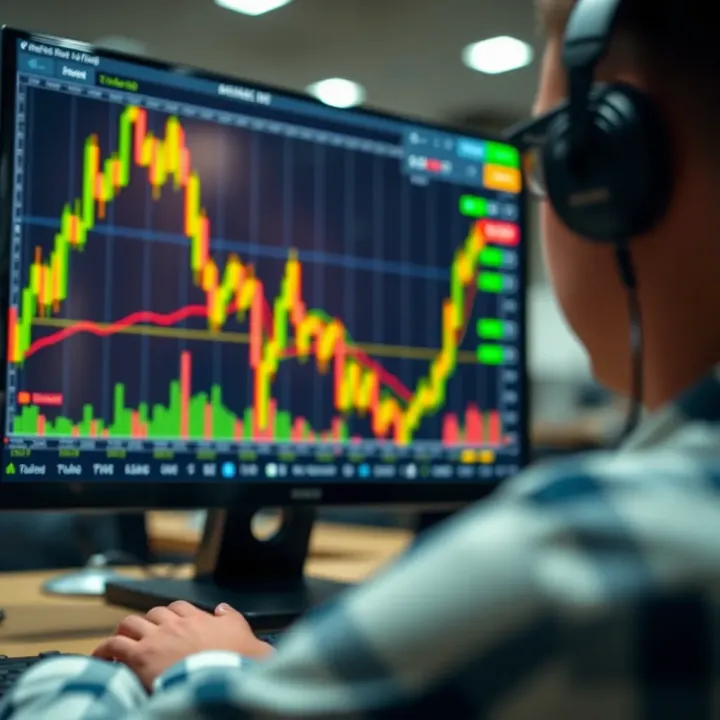
That said, automated trading isn't just for the tech-savvy or big players. Many South African brokers now offer platforms with automated features tailored to retail investors. This includes rule-based strategies, backtesting tools, and even copy-trading services where you can mimic successful traders.
Practical use of automated software requires understanding both its strengths and limits. While it can speed up execution and enforce strategy consistency, it doesn't guarantee profits and can sometimes amplify losses if the settings are incorrect or market volatility spikes.
Here's a quick overview of what automated trading software offers:
Speed: Executes trades faster than a human could, crucial in fast-moving markets.
Discipline: Sticks to preset strategies, avoiding emotional mistakes.
Backtesting: Allows you to test strategies against historical JSE data before committing real money.
Accessibility: Available through local brokers and fintech apps, some without hefty fees.
Understanding these basics helps South African investors decide whether automated trading fits their style and risk appetite. It’s not a magic bullet but a tool that—used wisely—can improve market participation without needing to watch every price change.
From here, we'll explore the types of automated software available locally, the risks involved, and how to choose the right system for your investing goals.
Automated trading software transforms how investors operate by letting machines handle trades based on pre-set rules. It’s especially relevant here in South Africa where market speed and timing can make a big difference amid local volatility and exchange nuances. Understanding how these systems tick gives traders the edge to deploy strategies efficiently without being bogged down by constant manual checks.
Automated trading involves software executing trades based on algorithms—essentially step-by-step instructions coded to follow specific market conditions. Unlike human traders, these algorithms don’t rely on gut feelings but respond objectively to price levels, volume, and technical indicators. For instance, a trader might code a simple rule to buy shares of a JSE-listed company when it drops 5% or more in a day, aiming to capitalise on quick rebounds.
These strategies vary widely—from trend following and arbitrage to mean reversion. The practical benefit is that an algorithm consistently applies rules without hesitation or emotion, meaning no fear or greed interrupts decisions. This consistency is key for traders wanting to avoid costly mistakes triggered by panic during loadshedding disruptions or sudden rand fluctuations.
Algorithms carry out decision-making by continuously analysing market data in real time. The software evaluates parameters, spots trade signals, and sends orders automatically. South African retail traders using off-the-shelf platforms like MetaTrader 5 or broker tools from FNB quickly appreciate how algorithms free them from being glued to screens incessantly.
The speed advantage is significant. Manual trading involves delays as a person interprets charts, input orders, and awaits confirmations. Automated systems execute trades within milliseconds, grabbing market opportunities before they vanish. In fast-moving forex or commodity markets where rand value shifts rapidly, this speed can protect profits or limit losses effectively.
At the core are trading platforms and interfaces that allow users to set up and monitor their algorithms. Popular platforms in South Africa include MetaTrader and NinjaTrader, offering user-friendly dashboards to test and tweak strategies. These interfaces connect traders to market exchanges such as the JSE or international venues, showing live prices and order books.
Data feeds and connectivity form the bloodstream of automated trading. Accurate and timely market data—from price ticks to news alerts—fuel algorithm reactions. Latency matters; delays in data can cause signals to be outdated, leading to poor trade execution. Reliable brokers ensure robust connections, often utilising dedicated servers located close to exchanges.
Risk controls are vital. Automated software embeds rules like stop-loss orders that automatically close trades to curb potential losses. For example, a rule might limit a share’s drop to 2% before selling out to preserve capital. These mechanisms help manage risk while allowing strategies to run unattended—even during a weekend braai when you’re offline.
Automated trading doesn’t eliminate risk but gives traders tools to enforce discipline, control losses, and take advantage of fast market moves without human hesitation.
This blend of software intelligence, market data streams, and clear risk boundaries show how automated trading systems work practically—helping investors navigate markets confidently and efficiently in the South African context.
Automated trading software has become a popular choice for many South African investors aiming to improve efficiency and consistency in their trading activities. Understanding both the positives and the pitfalls of these systems is key to making the most of them — especially given the unique market conditions and challenges here.
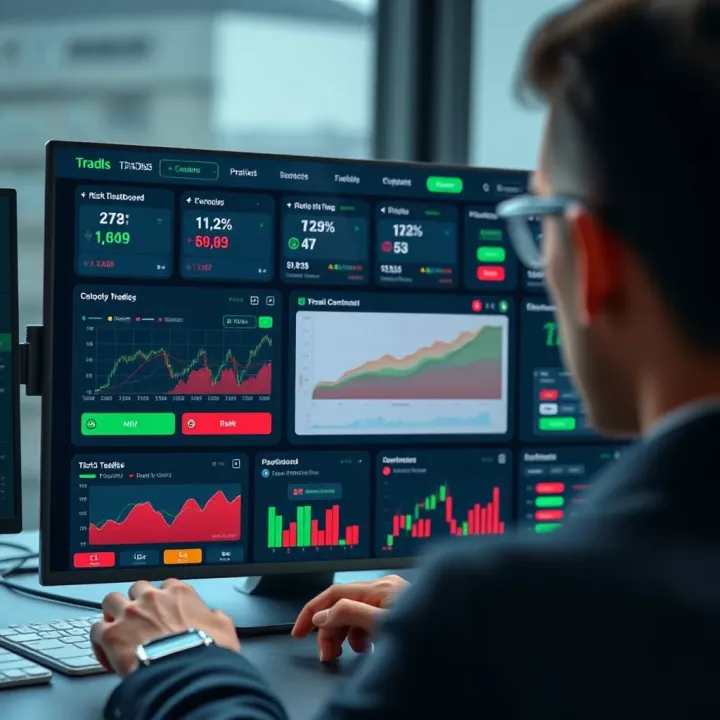
Eliminating emotional bias from trades is one of the biggest draws for automated systems. When the market suddenly drops or spikes, it’s easy for a human trader to panic or get overly excited, making impulsive decisions that lead to losses. Automated software sticks to predefined rules, executing trades based purely on logic and data, not emotions. For instance, a local trader using automated software won’t suddenly pull out of a position just because the market is jittery after a variable Eskom loadshedding announcement. The software simply follows the plan without hesitation.
Ability to monitor multiple markets simultaneously allows traders to expand their horizons beyond the JSE. Manual monitoring of several markets like forex pairs, commodities, and local indices simultaneously can be overwhelming. Automated platforms keep an eye on all chosen markets at once, picking up trading opportunities across time zones or asset classes without missing a beat. This is particularly useful in South Africa, where traders may want to hedge exposure between rand currency pairs and commodity prices.
Backtesting strategies using historical data helps traders see how their algorithms would have performed in the past. Before risking R10,000 or more, South African investors can test different approaches against years of JSE or forex data to better understand potential risks and rewards. Instead of guesswork or trial-and-error on live markets, this method provides practical insight into how a strategy might play out under various conditions.
Technical failures and software glitches present real risks. Even the best automated system may experience breakdowns—software crashes, connectivity drops, or data feed delays. For example, during a heavy thunderstorm in Cape Town, internet connectivity might wobble, causing a delay in a sell order, which could mean a missed exit or loss. Traders must prepare for this by having backup plans or manual override options.
Over-optimisation leading to unrealistic expectations is a common trap. Sometimes, traders fine-tune their software so tightly to historical data that it performs flawlessly in backtests but fails miserably in live trading. This is like tuning a race car for one track and expecting it to win everywhere. South African traders might be tempted to overfiddle their algorithms based on local market data without accounting for future variability or structural changes.
Market volatility and unexpected events impact automated systems in ways humans might better adapt to. Sudden political announcements, strikes affecting commodities, or unexpected currency swings can cause whipsaws that automated software struggles with. While humans can pause and reassess, algorithms might continue to trade blindly, exacerbating losses. In volatile South African markets, especially during uncertain times for sectors like mining or agriculture, having manual intervention available is wise.
Automated trading isn't a silver bullet; it requires understanding both its strengths and limitations within the local trading context.
Balancing these benefits and risks will help you make smarter decisions on whether and how to integrate automated trading software into your strategy.
Understanding the different types of automated trading software available can help South African investors pick tools that align with their needs. Each type carries its own strengths, costs, and suitability depending on your experience level, asset focus, and risk tolerance. From popular off-the-shelf platforms to custom-built solutions and broker-provided tools, knowing the differences is key for practical application.
Popular off-the-shelf platforms like MetaTrader and NinjaTrader offer ready-made automated trading environments widely used by South African retail traders. MetaTrader, for example, supports forex and CFD trading with a vast library of technical indicators and automated scripts (expert advisors). NinjaTrader leans more towards futures and equities, providing powerful charting tools and customisable algorithm-building features.
These platforms usually come with comprehensive support, including community forums, developer resources, and third-party add-ons. Support from local brokers is often available, which helps bridge connectivity to South African exchanges or offshore markets. This makes them practical for traders still exploring automated trading without diving into complex software development.
For retail investors, off-the-shelf platforms offer an accessible entry point. They typically feature user-friendly interfaces, demo accounts for strategy testing, and broad compatibility with various brokers. This reduces upfront costs and technical barriers, allowing local traders to experiment, learn, and refine automated strategies within familiar software.
Some investors or financial institutions develop their own automated trading software tailored to specific strategies or market conditions. For example, a hedge fund in Johannesburg might craft proprietary algorithms that factor in unique South African market nuances or news events.
The main benefit of custom solutions is flexibility. Traders gain full control over algorithm behaviour, execution rules, and integration with private data feeds or risk systems. This hands-on approach enables fine-tuning as market dynamics shift, which off-the-shelf products cannot always offer.
However, custom software usually comes with higher costs. Developing and maintaining these systems demands skilled programmers and ongoing updates, which means higher setup fees and maintenance. Smaller retail traders often find this prohibitive, reserving custom solutions for institutional or seriously committed investors who can justify the investment.
Many South African brokers like Standard Bank and FNB have started offering basic automated trading tools integrated within their platforms. These may include algorithm templates or auto-trading options that link directly to your trading account.
The advantage here is seamless integration: no need for external software, and trade execution happens straight through the broker’s infrastructure. This can simplify compliance with South African regulations and offer smooth access to local asset classes traded on the JSE or other exchanges.
That said, these broker-provided tools tend to be less sophisticated than standalone platforms. Features are generally limited, lacking advanced customisation, extensive backtesting, or support for complex strategies. For some retail traders, these integrated tools offer a convenient stepping stone, but more serious algorithmic traders usually look towards dedicated software with greater features and flexibility.
Choosing between these types depends on your trading goals, budget, and technical comfort. Off-the-shelf platforms serve most beginners and intermediate users well, while custom software delivers power at a price. Broker tools provide straightforward access suited for simpler strategies.
Each option plays a role in the evolving South African trading ecosystem, helping investors tackle markets with efficiency and more confidence.
Choosing the right automated trading software is not simply a matter of picking the flashiest package on offer. For South African investors, it's about ensuring the software aligns with your trading goals, style, and local market requirements. Selecting inappropriate software can lead to frustration, unexpected costs, or worse, significant financial losses.
Automated trading software varies considerably depending on whether you prefer short-term or long-term strategies. For those involved in day trading or scalp trading, software that can execute trades swiftly and react to minute-by-minute price changes is essential. Many popular platforms cater to these fast-paced strategies by offering real-time data feeds and low latency execution.
On the other hand, if you're more focused on long-term investing—perhaps managing a diversified portfolio spanning equities and bonds over years rather than hours—you'll want software that supports more gradual strategy adjustments and can handle complex portfolio analytics. Tools that provide backtesting over long historical periods are more valuable here.
Moreover, the software’s support for multiple asset classes is a critical factor. South African investors often trade not just local JSE-listed shares but also forex pairs, commodities like gold and platinum, and even international equities. Using software that handles just one asset type can limit opportunity and diversification. It's practical to choose platforms that integrate seamlessly with multiple markets and provide consistent performance across equities, forex, and commodities.
Data protection is a growing concern, especially with increasing local regulation like the Protection of Personal Information Act (POPIA) in South Africa. The chosen trading software must comply with POPIA standards to safeguard your personal and financial data. Verify if the provider employs encryption and secure authentication methods to protect your account from unauthorised access.
Cost is another big consideration. Licence fees vary widely—from free versions of popular platforms like MetaTrader to monthly subscriptions or one-off licence purchases for custom software. Keep in mind, there might be extra costs for data feeds, add-on tools, or premium support. For example, local brokers like Standard Bank or FNB may bundle automated tools with accounts but charge additional fees for advanced features.
Finally, reliable customer and technical support can save your skin when things go sideways. Software glitches or connectivity problems are inevitable at times, so having responsive support with local knowledge is invaluable. It’s worth testing the support channels before buying or subscribing—check how quickly they respond via phone, email, or live chat.
When selecting automated trading software, think about how well it fits your trading style, protects your data, what it costs over time, and if you can get timely help when you need it.
By weighing these factors carefully, you’ll be better placed to pick automated trading software that fits your South African trading needs and helps you navigate both local market nuances and global opportunities.
Automated trading systems offer many advantages, but their successful use depends on practical handling. South African investors must understand not just how to set them up, but also how to monitor performance and prepare for unexpected hiccups. Practical tips help traders avoid costly mistakes and make the most of the software's capabilities.
Testing strategies without risking capital is crucial, especially if you’re new to automated trading or testing a new approach. Demo accounts allow you to run your algorithm in a simulated environment using virtual money. This helps to see how it would perform under live market conditions without the risk of losing real Rand. For instance, if you want to explore forex trading on MetaTrader, the demo account simulates currency fluctuations in real time, letting you experiment safely.
Understanding software features and limits also starts in the demo phase. Many platforms have features hidden behind certain subscription tiers or require additional plugins for full functionality. Trying out a demo version helps you identify what the software can and cannot do. For example, some platforms may not allow complex custom indicators in their demo, so you'll know upfront whether they meet your needs before committing financially.
Regularly reviewing trade outcomes is vital to understand if the software performs as expected. Automated trades can run around the clock, but markets change and strategies may lose effectiveness. Keeping a regular check on win-loss ratios, profit margins, and drawdowns ensures you spot any underperformance early. South African investors should consider monthly reviews, noting how the system fared especially during volatile periods like loadshedding announcements or political events.
Adjusting parameters based on market conditions improves the software's responsiveness and profitability. For example, if the system's stop-loss levels are too tight during rough markets, it might trigger many unnecessary exits. Tweaking these settings to reflect current volatility keeps your trades more in line with real-world conditions. Remember, automated doesn’t mean set-and-forget; you must stay hands-on.
Having manual intervention plans is essential. Technology fails – from power outages to software bugs – and markets can behave unpredictably. Planning how and when to override or pause automated trades avoids compounding losses. For example, keeping a direct connection to your broker’s platform or mobile alerts for system failures can enable swift action when needed.
Monitoring connectivity and execution delays protects against slippage and missed trades. Automated software depends heavily on internet speed and broker server stability. In South Africa, where connectivity varies regionally, keeping tabs on your connection quality is smart. If your strategy depends on split-second trades, even a few seconds of lag can make a big difference. Tools like ping tests or notifications for disconnects can keep you alert.
Bottom line: Using automated trading systems effectively means treating them like tools, not magic boxes. Start slow, watch closely, and have backup plans to navigate the realities of South African markets.
📈 Discover surge trading tactics tailored for South African markets. Learn to navigate rapid price shifts, manage risks, and use essential tools confidently.
Explore Quotex trading tailored for South African traders 🇿🇦. Learn platform features, strategies, risk management, & legal tips to trade confidently 📈.

Explore peer-to-peer (P2P) trading in South Africa 🔄 Learn how to trade directly, stay secure 🔐, pick payment methods 💸, and apps for smooth deals.

🤖 Explore how forex robots work in South Africa, their benefits, risks, and key features. Learn to choose and use trading bots wisely for better results.
Based on 6 reviews