

South African Bitcoin Millionaires: Who They Are and How They Succeeded
⚡ Discover how South African bitcoin millionaires built their wealth, navigated challenges, and influence local and global crypto markets. 💰📈
Edited By
Amelia Morgan
Bitcoin’s price swings have earned it a reputation for volatility, making predictions both challenging and essential for investors. For South Africans, understanding how local and global factors influence bitcoin’s value can help in making informed decisions rather than flying blind.
Bitcoin operates largely outside traditional financial systems, so its price depends on a mix of supply and demand, regulatory news, technological developments, and macroeconomic trends worldwide. However, South African investors also face unique challenges, such as the rand’s volatility against the US dollar, high data costs affecting trading access, and Eskom loadshedding impacting digital platforms.
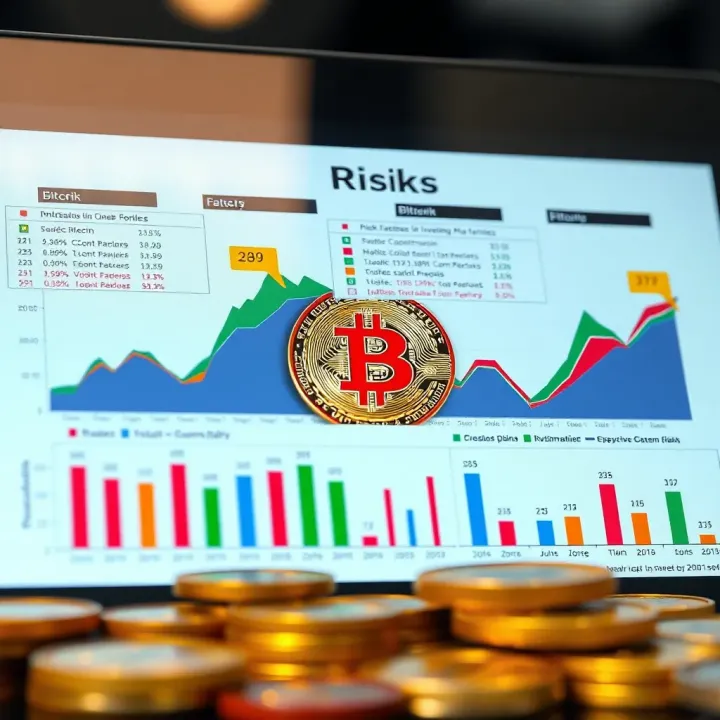
Bitcoin price predictions are not guarantees—they're educated estimates that blend market trends with analysis. Investors should treat them as guides, not gospel.
In recent years, bitcoin has passed several key technical milestones, triggering impressive rallies followed by significant corrections that wiped out gains. For example, in 2021, after crossing the US$60,000 mark, bitcoin’s price saw a rapid tumble, demonstrating how swiftly sentiment can shift. Technical analysts use indicators like moving averages, RSI (Relative Strength Index), and Fibonacci retracements to spot potential turning points, but unexpected news can upend these signals.
Fundamental analysis looks at factors like increasing institutional adoption, regulatory announcements, developments in blockchain technology, and shifts in public perception. In South Africa, the inclusion of bitcoin ETFs approved by global regulators or the entrance of local pension funds into crypto markets could drive demand and influence prices.
For South African investors, practical steps include:
Keeping an eye on the USD/ZAR exchange rate, which affects bitcoin’s relative cost in rands.
Using digital wallets and exchanges with reliable uptime during loadshedding hours.
Avoiding speculative panic selling during sudden price drops.
Diversifying crypto holdings instead of putting all funds into bitcoin.
With these considerations, South African investors can better navigate bitcoin’s wild price swings. The sections ahead will explore detailed technical and fundamental factors shaping bitcoin’s price, risks involved, and how to create a strategy tailored to the local environment.
Understanding the current state of Bitcoin and the overall market is vital for anyone investing or trading in this cryptocurrency. It sets the foundation for making informed predictions by revealing recent price behaviour, volatility trends, and the influence of global and local economic factors. This knowledge is especially relevant for South African investors who must navigate unique regulatory and market dynamics alongside worldwide shifts.
Bitcoin’s price movements over the past year show significant fluctuations rather than steady growth. For instance, after peaking near R900,000 in late 2021, prices dipped below R400,000 in 2022 before recovering somewhat in early 2024. These swings reflect how sensitive Bitcoin is to changing investor sentiment and external events.
Volatility in the crypto market remains exceptionally high compared to traditional assets like stocks or bonds. South African traders have seen sudden surges or drops on days of major announcements, such as US Federal Reserve rate changes or local news related to cryptocurrency regulations. This unpredictability demands careful risk management, especially during Eskom loadshedding hours when online access may be disrupted.
International economic factors, including inflation rates, interest rate hikes, and geopolitical tensions, clearly affect Bitcoin’s price. For example, the current debate over rising US inflation has pressured global markets, pushing some investors towards Bitcoin as a hedge but also causing frequent sell-offs amidst market uncertainty.
Locally, South Africa’s economic and regulatory landscape plays a direct role in shaping Bitcoin investment. The South African Reserve Bank’s cautious stance on cryptocurrencies, alongside the Financial Sector Conduct Authority’s evolving guidelines, influences market confidence. Additionally, factors like the rand’s exchange rate volatility and local demand spikes during inflationary periods also impact Bitcoin prices here.
For South African investors, staying updated with both global economic conditions and local regulatory changes is key to anticipating Bitcoin price shifts and managing investment risks effectively.
This section aims to equip you with a grounded understanding of where Bitcoin stands today and what moves the market, helping you make better investment decisions tailored to South African realities.
Predicting bitcoin prices isn’t just guesswork; it’s a mix of understanding patterns and the bigger picture. For South African investors, who face unique market and regulatory conditions, knowing how these methods work helps make better choices in an often volatile market. This section unpacks key tools and strategies to get a clearer sense of where bitcoin's price might head.
Technical analysis relies on charts and patterns to forecast future price movements based on historical data. For example, patterns like "head and shoulders" or "double bottom" are classic signals traders watch. If a bitcoin daily chart shows a double bottom, it might hint at a price rebound after a recent drop. Indicators such as moving averages (e.g., 50-day or 200-day) help smooth out price data, revealing underlying trends.
In practical terms, if the 50-day moving average crosses above the 200-day one (a "golden cross"), many see this as a bullish sign. These tools don’t predict exact prices but give signals that help traders decide when to buy or sell. It’s a bit like reading the market’s mood through its past behaviour.
Volume—the number of bitcoins traded in a given time—adds weight to price movements. A rise in price accompanied by high volume often suggests strong buyer interest and a sustainable trend. For instance, if bitcoin price climbs on low volume, the rally might be weak and could reverse.

Trend analysis looks at whether the price is generally moving up, down, or sideways. Technical traders use trendlines or channels to visualise these movements. Identifying whether bitcoin is in an uptrend or downtrend helps investors align their trades with market momentum, reducing the risk of jumping into a fading rally or a sudden drop.
Fundamental factors go beyond charts, focusing on what drives bitcoin’s real-world value. Increased adoption—like more South African businesses accepting bitcoin or growing use in remittances—can boost demand and push prices higher. Conversely, tightening regulation, such as stricter rules by the South African Reserve Bank or the Financial Sector Conduct Authority, often creates short-term uncertainty and price dips.
A relevant example is when the South African government announced moves to regulate crypto exchanges under Anti-Money Laundering laws; the market saw increased caution among traders. Keeping track of such developments is crucial to understand underlying price pressure points.
Bitcoin’s blockchain activity reveals much about its health and potential price shifts. Metrics like transaction count, active wallets, or hash rate (mining power) provide clues about network usage and miner confidence. A surge in transactions might suggest growing demand or use cases, impacting price positively.
Technological upgrades also matter. The adoption of scalability solutions or security enhancements can improve bitcoin’s utility, encouraging investor confidence. For instance, the Taproot upgrade in 2021 brought greater privacy and flexibility, which some investors viewed positively for bitcoin’s future, subtly supporting its price.
Understanding both technical and fundamental methods arms South African investors with sharper tools for navigating bitcoin’s unpredictable market. Keeping an eye on charts and real-world factors helps make smarter, grounded decisions.
Understanding the key factors that shape Bitcoin’s price is vital for investors aiming to grasp potential trends and risks. These influences range from regulatory changes to shifts in market sentiment and technological improvements, all of which can sway Bitcoin’s value in significant ways. For South African investors, recognising these factors allows for better risk management and timely decision-making amid an often unpredictable crypto market.
South Africa’s regulatory landscape plays a noteworthy role in Bitcoin's local adoption and trading dynamics. The Financial Sector Conduct Authority (FSCA) has increasingly been involved in overseeing crypto activities to protect consumers while trying to foster innovation. Measures such as the implementation of the Financial Intelligence Centre Act (FICA) for virtual asset service providers help curb illicit activities, but they can also affect how easily investors trade Bitcoin through local exchanges.
For example, stricter know-your-customer (KYC) requirements might slow down instant transactions, tempering speculative trading bursts but improving overall market credibility. Also, potential regulations on taxation regarding crypto gains directly impact investor behaviour, shaping demand in the local market.
Bitcoin’s price is equally sensitive to how other countries regulate or ban crypto activities. The United States, European Union, China, and emerging markets all have varying stances—from encouraging innovation to imposing outright bans. South African investors should watch these developments closely, as major shifts in international policy can lead to sudden liquidity changes or altered investor confidence worldwide.
For instance, a clampdown on crypto exchanges in a major economy can cause price dips globally, reflecting interconnected markets. Conversely, progressive regulation, like clearer guidance on crypto classification or custody rules, might spur institutional involvement, pushing demand upwards.
The balance between retail (individual) and institutional investors influences Bitcoin’s price movements. In South Africa, retail investors often react quickly to news or price swings, sometimes amplifying volatility. Institutional interest, however, typically brings more stability as larger players like investment funds or pension schemes tend to adopt longer-term strategies.
An increased presence of institutional investors in Bitcoin could anchor prices by introducing deeper liquidity and lower susceptibility to pump-and-dump episodes common among retail-led markets. Observing local adoption frameworks, investment vehicles like crypto exchange-traded funds (ETFs), and institutional announcements can signal shifts in this balance.
News coverage and social media chatter have a tangible impact on Bitcoin prices, shaping investor sentiment rapidly. South African platforms and influencers discussing Bitcoin investment, regulatory rumours, or technological updates can spark sudden buying or selling waves.
For example, a popular financial blogger endorsing Bitcoin on a platform like Twitter or a viral video warning about scams might influence hundreds to thousands of local investors within hours. Investors need to discern hype from substance, understanding how trends, especially in younger demographics, affect demand.
Bitcoin’s underlying technology continuously evolves, affecting its utility and appeal. Network upgrades, like the implementation of the Lightning Network, aim to make Bitcoin transactions faster and cheaper—key to wider adoption.
For South African users, where cost-efficiency in transactions matters due to exchange rates and fees, such upgrades are particularly relevant. Enhanced scalability can encourage more frequent usage, supporting price growth through increased demand.
Security remains a top concern for Bitcoin investors. Hacks targeting wallets, exchanges, or even individual accounts can rapidly erode confidence and cause price drops. However, progress in security solutions—multi-signature wallets, hardware cold storage, and better exchange protection—helps bolster trust.
Local investors benefit from these improvements, especially considering South Africa’s rising cybercrime rates. Choosing platforms with robust security protocols and practising good personal security hygiene can mitigate risks and promote steady engagement with Bitcoin investments.
Navigating Bitcoin’s future price requires understanding regulatory, market, and technological forces shaping its market. For South African investors, keeping an eye on these key factors is crucial to making informed, confident investment choices.
Predicting bitcoin prices is notoriously tricky, largely due to several inherent risks and limitations. For South African investors, understanding these challenges is crucial for making grounded decisions rather than chasing unrealistic forecasts. Market volatility, external shocks, and the imperfect nature of forecasting models all play a part. Without acknowledging these factors, investors might expose themselves to unexpected losses or misplaced confidence.
Economic crises and political events can hit bitcoin prices hard, often with little warning. For instance, when South Africa faces sharp currency fluctuations or unexpected policy shifts, bitcoin can either surge as a perceived hedge or plummet alongside risk-off behaviour. The 2020 COVID-19 pandemic is a case in point: global economic turmoil caused wild swings in bitcoin's price as investors scrambled to reposition their portfolios. On a local level, political uncertainty or changes in regulation (like sudden moves on crypto taxation) can quickly alter market sentiment.
Technological vulnerabilities add another layer of risk. Bitcoin's network, while robust, isn’t immune to potential flaws or hacks. For example, past incidents involving exchange hacks—like the Mt. Gox collapse—show how vulnerabilities outside the core bitcoin protocol can tank prices overnight. Furthermore, emerging threats such as quantum computing could challenge bitcoin's cryptographic security down the line, although widespread impact remains speculative. Investors in South Africa must stay alert to these risks and understand that technological setbacks often ripple into market confidence.
Limitations of forecasting models cause headaches among analysts. Many models rely heavily on past price trends, technical indicators, or on-chain metrics, but none can predict sudden shocks or sentiment-driven spikes. For bitcoin, this unpredictability is magnified given its relatively young market and limited regulation. Models that worked pre-2017 bubble may fail to capture today’s complex factors such as institutional involvement or evolving global regulations.
Data transparency and manipulation risks further cloud reliability. While blockchain provides open data, many critical pieces—such as off-chain trades, darknet market activity, and opaque whale trading—remain hidden or misreported. This lack of full transparency can skew metrics that predictive models use, resulting in misleading signals. Manipulation by large holders or coordinated groups can also distort price, making reliance on raw data alone risky for South African investors aiming to time the market precisely.
Understanding these risks helps investors avoid placing blind faith in forecasts. By recognising bitcoin’s unique vulnerabilities—from external shocks to predictive model weaknesses—South African investors can approach the market with more realistic expectations and better risk management strategies.
In short, predicting bitcoin prices is far from foolproof. But awareness of these risks not only shields you from major pitfalls but also encourages smarter, more measured investment practices within the exciting yet volatile landscape of cryptocurrency.
Investing in bitcoin within the South African context requires practical strategies tailored to the local market’s unique volatility and regulatory environment. This section offers hands-on advice on managing risk and selecting the right trading platforms, ensuring you’re not caught off guard by sudden price swings or platform issues. Given how quickly crypto prices can shift and how different exchanges perform locally, having a clear plan is essential.
Diversification strategies play a key role in managing the ups and downs of bitcoin's price. Instead of putting all your eggs in one basket, spreading your investments across different crypto assets or including a mix of traditional investments like stocks or bonds can smooth out potential losses. For example, while bitcoin might be unpredictable, pairing it with more stable assets like South African government bonds or a balanced equity portfolio eases overall risk. This safeguards your portfolio against sudden market shocks, such as Eskom-triggered financial disruptions or global crypto crashes.
Equally important is setting realistic expectations. Many first-time investors expect quick, massive profits and may panic during dips. It’s crucial to understand that bitcoin’s price can be highly unpredictable in short periods, influenced by global events, regulatory news, or even local political developments in Mzansi. Setting a long-term view and accepting natural market swings helps prevent rash decisions. Think of it like a braai: sometimes the fire flares up; other times it settles down, but patience leads to a good meal.
Local exchanges and wallets offer several advantages for South African investors. Platforms like Luno, VALR, and AltCoinTrader support rand deposits and withdrawals, meaning you avoid costly international transfer fees or waiting times. Using local exchanges also helps you navigate regulatory requirements such as the Financial Intelligence Centre Act (FICA) for identity verification. Besides exchanges, having a reputable wallet—hardware or software—is essential for safe storage. When choosing, look for wallets that support two-factor authentication and allow you control of private keys.
When considering security and user experience, opt for services with a solid reputation in the SA market and positive user reviews. A cumbersome platform with poor security can expose you to hacks or loss of funds. For instance, a wallet or exchange that’s difficult to navigate might lead to mistakes, such as sending coins to wrong addresses. Platforms with intuitive interfaces and clear customer support around the clock reduce these risks. Always check if the platform insures digital assets or follows prudent security practices, especially given the rising number of cyber attacks in crypto space.
Keeping your bitcoin investments safe requires a combination of spreading risk, managing your expectations, and choosing platforms that respect both your security and user experience.
This practical approach empowers South African investors to make informed crypto decisions rooted in local realities and sound risk management principles.
⚡ Discover how South African bitcoin millionaires built their wealth, navigated challenges, and influence local and global crypto markets. 💰📈

📊 Explore Solana (SOL) price trends, tech features, expert insights, and risks to help South African investors understand SOL’s future market moves.

🤖 Discover how robot trading works in South Africa! Learn about its benefits, risks, regulatory issues, and practical tips for smart investing.
Explore option trading basics, strategies, market tips, and risks tailored for South African investors 🇿🇦. Make smarter investment choices today! 📈
Based on 14 reviews