
Understanding Synthetic Trading in South Africa
Explore synthetic trading in South Africa 🇿🇦: learn how to mimic asset payoffs, build strategies, weigh risks, and navigate regulations for smarter investing 💼📊.
Edited By
Charlotte Hill
Choosing the right broker to trade the Volatility Index (VIX) is no small matter. The VIX measures market expectations of near-term volatility, so it's a product that demands careful consideration before diving in. For traders in South Africa, the challenge is picking a broker that not only offers access to the VIX but also suits your individual trading style and risk appetite.
Trading volatility isn’t like trading shares or forex; it’s a different beast with its own rules and traps. Therefore, your broker must have a solid reputation for reliability and provide transparent pricing. Watch out for hidden fees or spreads that can quietly eat into your profits.
When evaluating brokers, consider these points:
Market Access: Does the broker give you direct access to the volatility products you want? Some brokers only offer derivatives or CFDs linked to the VIX.
Regulation and Safety: South Africans should check whether the broker is regulated by credible bodies such as the FSCA (Financial Sector Conduct Authority). This ensures your funds have legal protection.
Trading Platform: A smooth, intuitive platform can make all the difference when trading fast-moving volatility instruments. Look for platforms with real-time data, charting tools, and risk management features.
Leverage and Margin: Volatility trading often involves leverage. Understand the margin requirements and how much you can control with your capital.
Local Support and Payment Methods: Brokers that offer support during South African trading hours and accommodate local deposits via EFT or card payments make life easier.
Many traders underestimate how important a good broker is for managing volatility risks effectively.
In the South African context, keep an eye on brokers that factor in Eskom loadshedding schedules or provide stable mobile data platforms for uninterrupted trading. The forex and CFD market is competitive, but not all brokers offer the same reliability when it comes to the VIX.
To sum up, your choice boils down to access, trustworthiness, platform usability, and local convenience. The next sections will break down these elements in detail and offer practical tips to make sure you trade safely and confidently.
Grasping how the Volatility Index (VIX) functions is vital for traders who want to make informed decisions rather than guesswork when trading this unique financial instrument. The VIX measures market uncertainty and potential price swings, helping traders understand the mood of the market and anticipate periods of turbulence or calm.
At its core, the VIX represents the market's expectations of how volatile stock prices will be over the next 30 days. It’s often dubbed the "fear gauge" because it tends to spike when investors anticipate sudden market upheavals. For instance, during unexpected political events or economic shocks, the VIX climbs as traders brace for rapid price changes.
Think of it like measuring the storminess of the sea before setting sail. A low VIX suggests smooth waters ahead, while a high reading signals choppy conditions. This makes it more than just a number—it’s a practical tool for risk assessment and timing trades.
The VIX reflects collective trader sentiment by showing how anxious or confident the market feels. When the VIX jumps, it usually indicates widespread concern or fear, leading to increased demand for protective options. Conversely, a declining VIX points to growing calmness and optimism.
For example, if you see the VIX climbing but the underlying market index barely budges, it could mean that savvy traders are positioning for upcoming volatility, offering an early warning.
One practical benefit of trading the VIX is its near 24-hour availability via various brokers, which suits traders chasing opportunities beyond South African market hours. However, liquidity can vary during certain periods, so it’s wise to check when spreads are tightest. For example, the VIX futures and options track the US markets closely but can still be accessed by South African traders through online platforms outside regular local market hours.
Being aware of these times helps you avoid chasing trades in thin markets, which might otherwise lead to slippage or poor pricing.
Most South African traders access the volatility index through Contract for Differences (CFDs) or options rather than the actual VIX futures, which are primarily traded on US exchanges. CFDs let you speculate on the VIX price without owning the underlying asset. This can be handy for quick trades or hedging strategies.
Options on the VIX provide more nuanced approaches like buying puts to protect your portfolio or calls to profit from spikes in volatility. Each instrument has different risk profiles and trading costs, so understanding them in your chosen broker’s platform is crucial before committing capital.
Trading the VIX is less about predicting price direction and more about anticipating market behaviour, making your selection of accessible instruments critical for strategy execution.
By understanding these basics, you develop a clearer picture of what drives the VIX, when you can trade it most effectively, and which tools serve your trading style best. This foundation is key before hunting for brokers that offer access to the Volatility Index market.
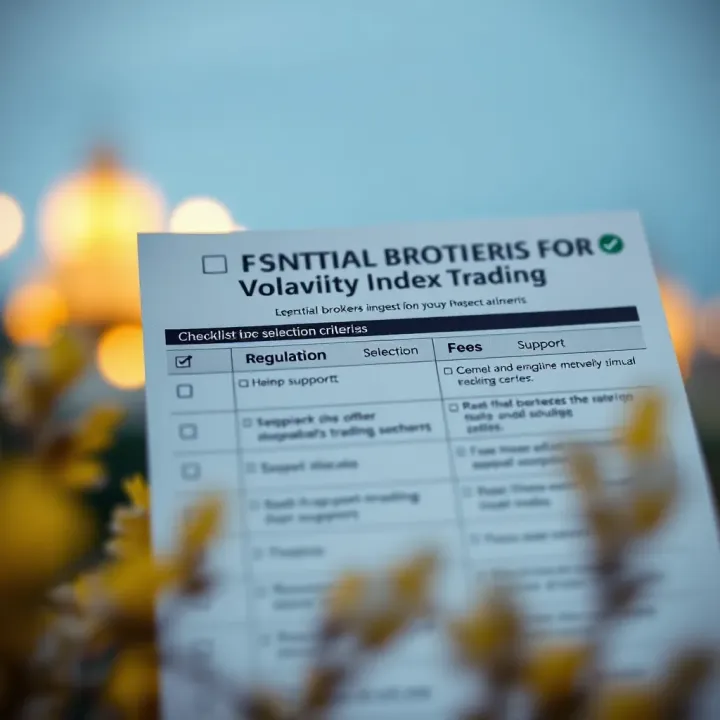
Choosing the right broker is a major step for anyone trading the Volatility Index. Not all brokers offer the same access, terms, or support, so you need to know which features truly matter. This section covers three key factors: regulation and reputation, trading conditions and platform features, and customer support with local service. Each of these affects your trading experience and risk.
South African traders should prioritise brokers that are properly regulated. Regulation ensures the broker operates under legal frameworks designed to protect clients from malpractice, including fraud and unfair trading practices. It also means your funds are more likely to be safe, thanks to requirements like segregated client accounts.
For example, a broker regulated by the Financial Sector Conduct Authority (FSCA) in South Africa will have to comply with local laws such as the Financial Advisory and Intermediary Services (FAIS) Act. This gives you some assurance that the broker won't just disappear with your money or offer shady deals.
Besides local bodies, international regulators also matter. WELL-KNOWN names like the UK’s Financial Conduct Authority (FCA), Australia’s ASIC, or Cyprus’ CySEC often indicate solid oversight, even if you trade through their overseas entities. Using a broker with credible licences means you deal with firms held to high standards worldwide, giving extra peace of mind.
Spreads, leverage, and fees deeply impact your trading costs and potential profits. Brokers offering very tight spreads on the Volatility Index can save you big on costs, especially if you trade frequently. Leveraged trading is common, but be cautious: high leverage boosts both gains and losses. Look for brokers that offer reasonable leverage levels aligned with your risk tolerance.
Moreover, fees like commissions, swap rates for overnight positions, and inactivity charges can quietly eat into your returns. Transparent brokers disclose all these costs upfront, so carefully check the fee structure before signing up.
Platform usability is also critical. You want a trading platform that feels intuitive, loads fast even on slower home connections, and supports technical tools like charts, indicators, and alerts. Brokers offering mobile apps compatible with Android and iOS add flexibility—trading on the move can be a big plus in today’s fast-paced market. Popular platforms like MetaTrader 5 or proprietary software with clean interfaces can make a notable difference in execution speed and order accuracy.
Trading the Volatility Index is demanding, and you’ll want timely support if something goes wrong. Brokers providing local language options—such as English, Afrikaans, Zulu, or Xhosa—help you resolve issues faster and understand terms clearly. That said, even efficient English support with local working hours goes a long way.
How fast a broker responds matters too. Look for those advertising 24/7 live chat, email, or telephone support with minimal waiting times. Practical examples include brokers with dedicated South African call centres or support teams familiar with local banking and regulatory systems. This can make deposits, withdrawals, and account verifications run smoother, cutting downtime.
Good customer support isn’t just about quick replies. It’s about knowledgeable staff who can help you sort issues, explain Volatility Index specifics, and guide you through platform quirks—especially if you’re new to this type of trading.
Ultimately, selecting the right broker hinges on balancing these factors: licensed and trusted firms, fair trading conditions, and dependable support. Taking the time to evaluate all three helps you avoid headaches and focus on trading with confidence on South Africa’s unique Volatility Index market.
Trading the volatility index can bring notable gains, but the risks involved are equally significant. Understanding these risks helps traders make informed decisions and avoid costly mistakes.
Price fluctuations and unpredictability play a massive role when dealing with the volatility index. Unlike regular stock markets that might march steadily up or down, the volatility index tends to spike sharply in short bursts, reflecting sudden market emotions. For example, during a major political event or a surprise economic report, prices can swing wildly within minutes, making timing trades particularly tricky. This unpredictability means traders must be ready for rapid changes and the possibility that positions could turn against them very quickly.
To handle this, traders should implement solid risk management strategies. One common approach is setting stop-loss orders to limit potential losses if the market moves unfavourably. Another is sizing trades conservatively; instead of betting big on a single move, spreading risk over smaller positions reduces the impact of a sudden reversal. Traders might also consider using options strategies to hedge positions, such as buying puts to protect against sudden downturns. In essence, managing risk in volatility trading is about preparation for rapid shifts and not getting caught off guard when the market veers unexpectedly.
An often overlooked factor is spread widening during volatile times. Brokers quote a spread—the difference between buying and selling prices—which can widen significantly during market upheavals. For instance, Eskom announcing load reduction might cause a sudden surge in volatility, leading brokers to increase spreads. This results in higher costs for entry and exit, quickly eroding profits or deepening losses. Traders should check how their broker handles spreads during such periods and prefer those with tighter spreads or clear policies on spread widening.
Then there's the matter of swap and overnight fees. Many brokers charge fees for holding positions beyond market close, which can accumulate over time, especially for traders holding volatility index contracts overnight. These fees vary widely between brokers and instruments; some might charge a percentage-based fee while others a flat rate. It’s important to factor these costs into your trading plan since they can turn a seemingly profitable trade into a loss if held too long without sufficient price movement.
Understanding both market risks and broker-related costs upfront helps South African traders navigate volatility index trading more confidently and avoid nasty surprises along the way.
Navigating the volatility index market from South Africa comes with its own set of challenges and opportunities. Understanding funding methods, currency impacts, and practising with demo accounts can make a big difference in managing risk and boosting confidence before committing real money. These tips equip South African traders to engage the market safely and effectively.
When selecting a broker, ease of funding a trading account is key. Popular deposit methods here include EFT (Electronic Funds Transfer), instant EFT via payment gateways like Ozow or PayFast, and card payments with Visa or Mastercard. Some brokers also accept e-wallets such as Skrill or Neteller, but these are less common among local traders. Choosing a broker that supports familiar, quick, and low-cost methods helps avoid delays and extra charges when funding your account.
For example, EFT payments from a South African bank to an international broker can take up to 3 business days. Instant EFT gateways reduce this wait to under an hour, which comes in handy if market conditions change quickly and you need to act fast.
Since most brokers price trades in USD or other foreign currencies, currency conversion is part and parcel of managing your account. This exposes traders to rand volatility, especially as the ZAR can swing significantly against the dollar. For instance, if you deposit R10,000 when USD/ZAR is at 18, but the rand weakens to 19 by the time you withdraw profits, your effective returns can shift.
Some brokers offer accounts denominated in rand, mitigating conversion costs and rand risk. If not, budgeting for currency fees and exchange rate fluctuations is prudent. Remember that these cost layers affect your bottom line, especially with frequent deposits or withdrawals.
A demo account simulates real market conditions without risking your cash. For South African traders stepping into the volatility index, this practise ground is invaluable. Demo trading familiarises you with platforms and order types, lets you test trading strategies, and helps gauge your emotional response to market swings.
For example, you could practice trading during a high-volatility period, like an earnings season or economic data release, without fear of losses. This hands-on experience sharpens your skills and builds confidence before trading live.
Moving from demo to live trading should be gradual and planned. Start with small stakes and keep position sizes manageable to adapt to the psychological pressures real money brings. Ensure your broker's funding options suit your preferences and that you’ve double-checked withdrawal processes to avoid surprises.
It's also wise to review your demo trading notes and identify any differences in execution, spreads, or slippage once you go live. Adjusting your strategy for these real conditions helps smooth out the learning curve and protects your funds as you get used to actual trades.
Practising with demos and understanding your funding options are foundational steps that make volatility index trading less daunting and more accessible for South African traders.
By focusing on these practical elements, you set yourself up for better decision-making and control when engaging with the volatility index market locally and internationally.
Explore synthetic trading in South Africa 🇿🇦: learn how to mimic asset payoffs, build strategies, weigh risks, and navigate regulations for smarter investing 💼📊.

🔍 Get a practical guide to synthetics trading: learn how it works, key benefits & risks, plus tips on managing trading challenges in South African markets.

📈 Discover how synthetic indexes work, their benefits & risks in trading, and what South African investors should know about these unique financial tools.
Discover how to become a smart trader with practical tips on market basics, risk control, analytics, emotional discipline, and ongoing learning 📈💡
Based on 9 reviews