

Rand to Dollar Exchange Rate Outlook
📈 Explore key factors shaping the Rand to Dollar exchange rate and get insights on economic trends and market shifts impacting South Africa’s forex scene.
Edited By
Isabella Turner
Predicting the US dollar (USD) to South African rand (ZAR) exchange rate for tomorrow involves looking at a mix of global and local factors that move the currency markets day to day. Traders, investors, and brokers closely watch economic indicators, political developments, and market sentiment to get a clear sense of likely shifts.

The rand’s value against the dollar depends heavily on external pressures such as US economic data and interest rate signals from the Federal Reserve. For example, if the US releases strong jobs numbers or hints at hiking interest rates, the dollar tends to strengthen, putting pressure on the rand. Meanwhile, local factors like South Africa’s inflation data, trade balance, and mining production also play a significant role.
Recent Eskom loadshedding stages can also weigh on the rand by dampening economic growth prospects, impacting investor confidence.
Political stability in South Africa remains another variable. Any fresh policy announcements, especially concerning the budget or economic reforms, can sway the rand significantly. For instance, unexpected shifts in government spending plans or labour unrest in key sectors often prompt a reaction in the currency value.
Besides fundamentals, technical analysis offers insight. Traders use support and resistance levels from recent USD/ZAR charts to anticipate short-term moves. A break above a key resistance point, say R19.50, might suggest the dollar will gain more ground. Conversely, a strong bounce off support near R19 could indicate the rand will hold or recover.
To prepare for tomorrow, check these indicators:
US economic releases: Non-farm payrolls, unemployment rate, or inflation data
SARB interest rate signals or statements
Commodity prices, especially gold and platinum as South Africa is a major producer
Eskom and energy supply updates
Understanding these elements helps businesses hedge exposure or time their forex trades better.
In summary, tomorrow’s USD to ZAR prediction blends global economic cues with sharp local realities. Traders who keep both in view stand a better chance at anticipating moves and managing risks effectively.
Understanding the exchange rate between the US dollar and the South African rand is vital for anyone involved in South Africa’s financial markets, trade, or investment landscape. This rate influences everything from import and export prices to investment returns and inflation expectations. A clear grasp of the broader picture allows traders and investors to make better-informed decisions about currency exposure and hedging.
Latest exchange rate trends focus on how the rand has been performing against the dollar in the short term. For example, the rand might have been gaining slightly due to improved commodity prices or weakening US dollar sentiments. For traders, this is practical information since even small fluctuations can impact profitability on forex trades or affect costs for businesses reliant on imports.
Recent volatility patterns highlight the frequency and scale of sudden exchange rate movements. If the rand has been particularly jumpy, maybe swinging more than 1% intraday, this signals a riskier environment where sudden news—like policy announcements or geopolitical tensions—could quickly change the game. Investors may decide to adjust their risk strategies or take profits sooner to avoid exposure to such wild swings.
Key events that shaped recent rates help explain the current level and behaviour of the rand. Factors such as South Africa's sovereign credit rating changes by the major agencies, Eskom’s ongoing loadshedding impact on economic growth, or shifts in US Federal Reserve interest rates often lead to notable market reactions. For example, a downgrade by Moody’s in the past triggered a sharp rand depreciation, affecting foreign investment flows immediately.
Seasonal or cyclical influences refer to predictable patterns in the exchange rate rooted in South Africa’s economic calendar. For instance, December often sees some rand strength as companies settle international trade accounts before year-end, while tourist seasons can temporarily boost demand for rand through increased foreign spending. Recognising these patterns can help traders plan better, timing their entries or exits to align with such cyclical tendencies.
Keeping an eye on both current market trends and underlying historical shifts provides a solid foundation for anticipating tomorrow’s dollar to rand movements. This overview sharpens awareness of what drives the currency’s value and guides smarter decision-making within South Africa’s dynamic forex landscape.
Understanding the factors that influence the dollar to rand exchange rate is essential for making informed decisions, whether you trade currencies, invest in shares, or manage import-export contracts. These factors paint a clearer picture of what might move the market tomorrow and help anticipate risks associated with currency fluctuations.
Inflation and interest rates play a significant role in shaping the rand’s value against the dollar. When South Africa’s inflation rate rises faster than expected, the South African Reserve Bank (SARB) may increase interest rates to rein in price growth. Higher rates tend to strengthen the rand as they attract overseas investors seeking better returns on fixed income products. For instance, if inflation data due tomorrow hints at a rise beyond the SARB’s 4.5% target midpoint, traders might expect the rand to appreciate slightly ahead of an interest rate adjustment.
Economic growth figures also influence the rand’s strength. Strong GDP growth signals a healthy economy, encouraging foreign investment, which supports the rand. Conversely, weak numbers can stir concerns about economic slowdowns, pushing investors towards the safety of the US dollar. For example, data on retail sales or manufacturing output released just before market opening could sway sentiment and prompt early currency movements.
Political developments and policies can shift the rand quickly, especially if investors read them as signals for economic stability or risk. News about government budget adjustments, policy reforms, or delays in passing key legislation — like a budget revision or changes in the mining sector regulations — can impact market sentiment. If the ruling party announces measures to stimulate growth, traders might gain confidence in the rand. On the other hand, political uncertainty, such as a leadership shake-up or strikes affecting critical infrastructure, can see the rand weaken as risk aversion rises.

Decisions by the US Federal Reserve wield considerable influence over the dollar, which in turn affects the dollar-rand rate. The Fed’s outlook on interest rates or economic health can lead to dollar rallies or retreats. For example, if the Fed signals a pause or slowdown in rate hikes tomorrow, this often weakens the dollar, offering the rand some relief. Traders will watch Fed communications closely, sometimes reacting before official statements.
Commodity prices are another key global factor since South Africa exports significant mineral resources like gold, platinum, coal, and iron ore. A rise in commodity prices tends to boost the rand by improving the trade balance, as export revenues increase. If, for example, gold prices climb due to increased demand for safe-haven assets, the rand may benefit despite other global pressures.
Geopolitical tensions can unsettle currency markets worldwide. Events such as conflicts, sanctions, or trade disputes often drive investors to safer currencies like the US dollar. If tensions flare in key commodity-producing regions or major economies, the rand usually takes a hit given its status as an emerging market currency. Conversely, easing tensions or diplomatic breakthroughs can lift emerging currencies including the rand.
Currency markets react quickly to both local and global cues. Keeping an eye on these factors helps traders anticipate tomorrow’s dollar to rand movements with greater confidence.
In short, tracking how South Africa’s economy performs, alongside global monetary policy and political events, offers the best clues on where the exchange rate is headed in the short term.
Understanding how analysts predict currency movements is key to making sense of the dollar to rand exchange rate shifts, especially when planning for tomorrow. Every trader, investor, or financial advisor knows that these predictions don’t come out of thin air—they’re grounded in a blend of techniques that aim to capture market trends, economic realities, and sentiment. Knowing these methods helps you interpret forecasts better and make more informed decisions in a currency market that can shift quite quickly.
Technical analysis focuses on past price behaviour and volume to predict future movements. Analysts look at charts filled with candlesticks, moving averages, and support and resistance levels to spot patterns. For example, if the dollar to rand exchange rate consistently bounces off a certain price range, traders might expect it to do the same tomorrow. This method shines especially in short-term trading, where recognising momentum or reversal signals helps time entry and exit points. It’s quite popular among forex traders in Johannesburg or Cape Town who deal with quick shifts due to local market sentiment or overnight global news.
Fundamental analysis looks under the bonnet, examining economic indicators like inflation, interest rates, trade balances, and political developments. When the South African Reserve Bank signals a change in interest rates, or if the US Federal Reserve adjusts its policy, these influence the currency pair’s direction. For instance, a sudden hike in US interest rates often strengthens the dollar against the rand. This approach suits investors and financial advisors focusing on medium to long-term trends because it considers underlying economic health rather than just price charts.
Market sentiment captures how investors collectively feel about the rand or dollar at any moment. Sometimes, rumours or geopolitical news spark a wave of fear or optimism that pushes prices beyond what fundamentals suggest. Imagine a report about possible sabotage at an Eskom facility deteriorating investor confidence; this could see the rand weaken quickly. Analysts track sentiment through tools like the CFTC commitment of traders report or by monitoring social media chatter and news headlines. Sentiment analysis complements technical and fundamental tools by revealing the market’s emotional state, which often triggers sharp moves.
No matter how carefully analysts work, sudden surprises can throw predictions off. Think about the immediate rand plunge following past announcements of loadshedding stage increases or unexpected political shifts in Pretoria. These shocks cause sharp volatility and often defy established patterns. Even the best models can’t foresee natural disasters, black swan events, or abrupt policy changes. Traders should therefore be cautious and ready to adapt quickly rather than relying solely on forecasts.
Predictions rely heavily on accurate and timely data, yet this can be patchy, especially with emerging markets. Economic data releases might lag or be revised later—like GDP growth figures that only appear weeks after a quarter ends. In South Africa, delays in reporting or inconsistencies in statistics can reduce forecast reliability. Plus, markets might react to rumours before official data arrives, making predictions less precise. Investors need to weigh forecasts with this uncertainty in mind and consider diversification to cushion against unexpected outcomes.
Knowing how forecasts are made, along with their limits, helps you navigate the rand-dollar market smarter—balancing facts, charts, and human psychology to manage risks and seize opportunities.
Understanding the practical effects of tomorrow’s dollar to rand exchange rate forecast is vital for businesses, investors, and everyday consumers alike. Small shifts in the rate can influence contract prices, investment decisions, and even household budgets. This section breaks down how these predictions play out in real-world scenarios, helping you prepare and respond effectively.
Importers and exporters often face unpredictable currency swings that can significantly affect their profit margins. Hedging allows them to lock in exchange rates through financial instruments like forward contracts or options. For instance, a Gauteng-based importer fixing the rate today for goods arriving next month protects against rand depreciation overnight. This approach reduces uncertainty, ensuring costs remain manageable despite volatile forex markets.
However, hedging comes at a cost, so firms need to weigh the premium against the risk of adverse currency moves. A well-planned hedging strategy helps businesses budget better, prevent nasty surprises, and maintain stable pricing, which ultimately builds trust with clients and suppliers.
When drafting contracts, clear clauses about currency fluctuations are critical. Businesses trading across borders should consider using "currency adjustment clauses" that allow price revisions if the dollar-rand moves beyond a certain threshold. This flexibility safeguards exporters in Durban who face sudden rand strengthening, which could otherwise wipe out expected profits.
Stable pricing agreements, especially in long-term contracts, hedge parties against exchange rate risks. This matters most when delays or extended delivery periods occur. Contracts that ignore such provisions often lead to disputes and lost revenue, so reviewing terms with currency forecasts in mind is a wise move.
Exchange rate predictions influence when traders buy or sell US dollars against the rand. Savvy investors watch for patterns signalling potential rand strength or weakness and time their market moves accordingly. For example, if tomorrow’s forecast suggests a rand dip ahead of a major US Federal Reserve announcement, a trader might delay entering the market to avoid losses.
Careful timing helps exploit short-lived currency trends and enhances returns. However, it requires constant market monitoring because forex can change rapidly due to unexpected news or sentiment shifts.
Markets can be choppy, and sudden rand swings are not uncommon. Investors must manage risk through diversification, stop-loss orders, or limiting position sizes. For instance, a JSE-listed fund with foreign assets might use currency hedges to cushion the impact of rand depreciation on its portfolio.
Risk management is about protecting capital during periods of uncertainty rather than chasing high gains. Keeping a level head amid volatility ensures investors stick to their long-term goals without being derailed by short-term exchange rate shocks.
For consumers, the rand’s value directly affects prices at the petrol station and on supermarket shelves. A weakening rand typically pushes fuel prices up, as petrol is priced in dollars worldwide. Similarly, imported electronics, fashion, and groceries become more expensive when the rand slips.
Shoppers may notice their monthly budgets stretched, especially in coastal cities like Cape Town where imports play a major role in retail. Being aware of exchange rate trends helps consumers anticipate price changes and adjust spending habits before wallets take a hit.
If you’re planning a trip abroad or buying items online from overseas retailers, exchange rate forecasts allow better budgeting. For example, those booking flights to Europe might choose to pay earlier if predictions suggest the rand will weaken tomorrow, saving hundreds on currency conversion.
Similarly, travellers can decide when to exchange cash or use a forex card to get the best value. Understanding dollar-rand predictions avoids last-minute surprises during the holiday season or school holidays when international costs tend to spike.
Keeping tabs on tomorrow’s dollar to rand rate isn’t just for traders or businesses — it impacts everyday choices too, from how much you pay for fuel to when you book your next trip.
Overall, the practical implications of these currency forecasts ripple across economic activities in South Africa. Preparing for fluctuations helps reduce risk and seize opportunities in a market that often moves faster than you might expect.
Accessing dependable forecasts for the dollar to rand exchange rate is key for anyone dealing with currency risks or investments. Reliable predictions help traders, investors, and financial advisors make informed decisions, manage exposure, and anticipate market shifts. However, not all sources offer the same quality or relevance, so knowing where to turn matters a lot.
Local sources covering rand movements provide critical insight tuned to South Africa’s economic and political landscape. Platforms such as BusinessTech, MyBroadband, or Moneyweb often combine up-to-date rand analyses with relevant news about local events, loadshedding implications, or government policy changes. This practical context helps you see beyond mere numbers to the stories shaping the rand’s volatility. Also, market data portals offered by JSE-listed brokers or financial news outlets include intraday exchange rate movements, historical charts, and commentary from experienced analysts.
International currency prediction services add a global dimension, offering views shaped by US Federal Reserve moves, commodity price fluctuations, and geopolitical risks. Services like Bloomberg, Reuters, or XE provide data feeds and forecasts reflecting worldwide market sentiment. Since the rand is a commodity-linked emerging market currency, global changes often ripple quickly into daily rand movements. These services allow traders to compare local forecasts against broader trends, aiding in cross-checking predictions and refining strategy.
South African banks’ market outlooks offer some of the most authoritative forecasts available. Banks such as Standard Bank, FNB, and Absa regularly publish currency outlooks that combine technical models with expert views on the rand’s expected path. These reports often include risk assessments aligned with South Africa’s economic indicators, such as inflation and interest rates, useful for business planning or hedge structuring. For example, FNB’s weekly rand outlook reflects recent developments and provides actionable recommendations for corporates.
Reports by economic research units within both public and private sectors are valuable sources of nuanced analysis. Institutions like the South African Reserve Bank’s research department or the Bureau for Economic Research (BER) at Stellenbosch University produce periodic reports incorporating macroeconomic data, trade statistics, and fiscal policy changes. Their forecasts consider medium-term structural trends that typical financial websites might overlook. Accessing these reports gives traders and investors a grounded understanding of the factors driving rand fluctuations, beyond short-term noise.
Reliable forecasting sources combine local context with global perspectives, supported by robust data. By cross-referencing trusted websites, bank outlooks, and economic research, South African market participants can make confident decisions amidst the rand’s daily ups and downs.
📈 Explore key factors shaping the Rand to Dollar exchange rate and get insights on economic trends and market shifts impacting South Africa’s forex scene.

📉 Get insights into the NZD to ZAR exchange rate trends, market drivers, and economic factors shaping currency movements for smarter trading and investment decisions.
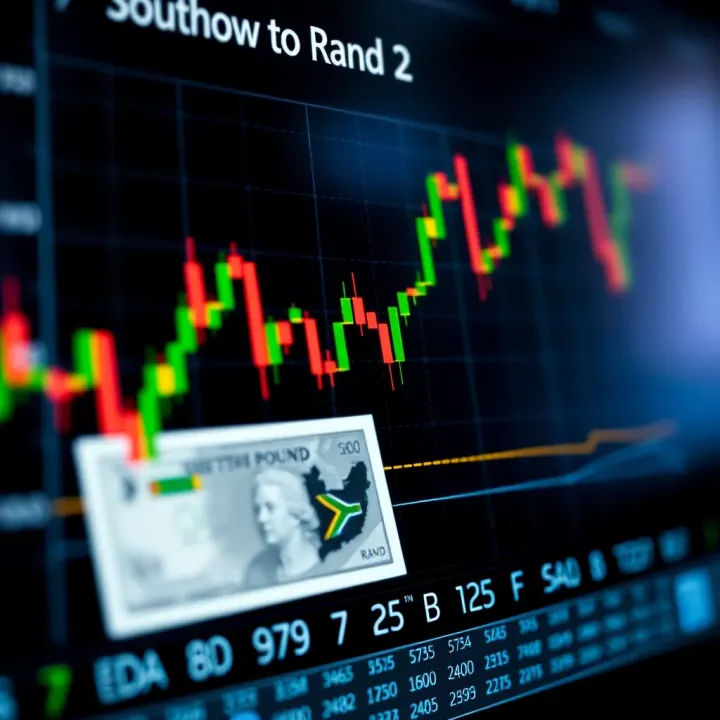
📉 Explore key economic indicators, geopolitical factors, and smart strategies shaping Pound to Rand forecasts. Get practical tips for forex decisions 📊

📉 Curious about the Rand to INR rate? Discover recent trends, key factors, and tips to manage exchange risks in business and travel effectively! 🌍
Based on 7 reviews