
Understanding Ripple Prediction Techniques
📊 Explore Ripple (XRP) price prediction methods, key factors affecting its market, plus practical tips and risks for better forecasting decisions in crypto trading.
Edited By
Charlotte Hughes
When looking at Litecoin’s price prospects, it’s vital to base your view on facts rather than hype. Litecoin, often dubbed the silver to Bitcoin’s gold, has carved out its own niche with faster transaction speeds and lower fees. For investors and traders in South Africa, understanding the forces behind Litecoin’s value can make a big difference for decision-making.
Litecoin’s price is shaped by a blend of market activity, technological developments, and broader economic trends. For instance, the rollout of innovations like MimbleWimble protocol, which enhances privacy, can sway market confidence. On the flip side, regulatory moves or changes in global investor sentiment also play a heavy hand.
Watching how Litecoin’s price has moved historically offers clues for future angles. While past performance doesn’t guarantee results, patterns such as how Litecoin reacts during major Bitcoin shifts or during bullish and bearish cycles are instructive. South African investors, especially given the fluctuating Rand/USD exchange rates, should consider these external factors as well.
Litecoin’s network updates can have a significant impact. The Litecoin community regularly pushes for improvements addressing speed, security, and scalability. A good example is the adoption of the Lightning Network, making microtransactions more feasible and efficient — this tends to boost merchant adoption and usage.
Global economic health and local regulatory developments affect Litecoin’s price. With South Africa’s financial landscape evolving and tighter regulations around cryptocurrencies from the FSCA and SARS, investors need to follow the legal implications carefully. Also, shifts in inflation, interest rates, or changes in policies from Big Banks impact investment inflows.
Understanding Litecoin’s price isn’t about quick wins. It requires following technological progress, market shifts, and economic factors closely — especially as the crypto environment rapidly evolves.
In the next sections, we’ll break down these aspects further, helping you grasp what to consider when assessing Litecoin’s price trajectory and making informed investment choices.
Having a solid grasp of Litecoin's market position is key for anyone looking to navigate its price trends effectively. It’s not just about watching numbers jump on a chart; understanding what makes Litecoin tick helps investors and traders make sense of market moves and assess its potential amid competition.
Creation and original goals: Litecoin was introduced in 2011 by Charlie Lee as a 'lighter' alternative to Bitcoin. Its main aim was to offer faster transaction confirmations — roughly 2.5 minutes per block compared to Bitcoin's 10 minutes — making everyday transactions smoother and more practical. This quicker processing time effectively positioned Litecoin as "digital silver" whereas Bitcoin is often considered "digital gold".
Comparison with Bitcoin and other cryptocurrencies: While Bitcoin dominates as the original and most valuable cryptocurrency, Litecoin carved its niche by addressing speed and cost. Its lower transaction fees than Bitcoin make it appealing for small, frequent payments. Compared to newer coins boasting complex smart contract capabilities, Litecoin’s straightforward focus on payments keeps it simple and robust. For South African investors amid network constraints like loadshedding, Litecoin’s efficiency may offer a practical edge in fast-paced crypto trading.
Current usage and adoption levels: Litecoin enjoys reasonably wide adoption with many merchants and exchanges, including South African crypto platforms, supporting it. Although it hasn’t achieved Bitcoin’s level of mainstream recognition, it’s often used for remittances and peer-to-peer payments due to its speed and cost advantages. This real-world usage matters for price, as greater adoption tends to underpin stronger demand.
Transaction speed and fees: Litecoin’s faster block generation means transactions clear quicker, which lowers waiting times for users and traders. In practice, this reduces bottlenecks and high fee spikes seen during Bitcoin network congestion. For traders active on volatility and arbitrage, Litecoin’s speed can be a real advantage, especially when timing is crucial.
Network security and consensus mechanism: Litecoin uses Proof of Work (PoW) like Bitcoin, but leverages a different hashing algorithm called Scrypt. This makes Litecoin mining hardware distinct and was originally designed to resist centralisation by ASIC miners. Though mining centralisation remains a debate, Litecoin’s network has shown strong security over years, helping maintain investor confidence.
Upcoming technological upgrades: Litecoin’s development team continues to explore upgrades, including integrating privacy features like MimbleWimble. Such enhancements could increase Litecoin’s appeal by improving confidentiality and fungibility, key attributes for some users. Keeping an eye on these updates helps investors gauge potential shifts in Litecoin’s demand and, by extension, price.
Understanding the core aspects of Litecoin—from its speedy transactions to ongoing tech upgrades—arms investors with crucial context to interpret price movements better and make smarter trading decisions.
Understanding Litecoin's price history offers vital clues about its potential future movements. Tracking past price patterns helps investors and traders assess how Litecoin reacts during different market phases, especially in relation to overall market sentiment and external influences. Volatility, meanwhile, indicates the asset's price fluctuations, highlighting the risks and opportunities involved.
Litecoin has experienced several notable price swings since its inception in 2011. For example, during the crypto boom of late 2017, Litecoin’s price surged to around R6,000 before crashing down dramatically in 2018 alongside the broader crypto market. Such peaks and troughs demonstrate the cyclical nature of cryptocurrencies and underscore the importance of timing and patience for investors.
More recently, LTC saw a resurgence in 2021, reaching levels close to R10,000 amid increased institutional interest and updates to its network. These historical price points show Litecoin doesn't move in isolation but often follows larger market trends.
Litecoin’s price largely correlates with Bitcoin’s performance and the broader cryptocurrency market. When Bitcoin rallies or crashes, Litecoin tends to mirror these movements, though sometimes with greater volatility due to its smaller market cap. This link means investors should watch Bitcoin’s trends closely, especially as it often sets the tone for altcoins like Litecoin.
Correlation with Bitcoin also means external shocks that hit the crypto space, including regulatory news or macroeconomic shifts, tend to affect Litecoin similarly. Hence, understanding Bitcoin's influence helps predict short-term Litecoin price behaviour.
Regulatory announcements have repeatedly impacted Litecoin’s price, often sparking sudden market reactions. For instance, when South Africa strengthened its anti-money laundering measures or when the U.S. Securities and Exchange Commission (SEC) makes statements on cryptocurrency classification, Litecoin's price has frequently swung.
These legal developments can either shake investor confidence or encourage adoption by clarifying rules. For investors, this means staying informed about local and global regulatory changes is essential, as a nod or shake from regulators can move Litecoin’s price sharply.
Litecoin has historically exhibited high volatility compared to traditional assets, with rapid price changes within short periods. Such swings provide opportunities for profit but also amplify risks. For example, daily price changes can reach double-digit percentages, which is uncommon in conventional markets.
These fluctuations mean investors must be ready for sudden losses as well as gains. Without managing this risk, one could face painful drawdowns. The unpredictability stems from factors like market sentiment, technological updates, and liquidity levels.
To handle Litecoin’s swings, investors often apply strategies like setting stop-loss orders to limit downside exposure or diversifying portfolios to reduce reliance on a single coin. Some prefer trading smaller amounts frequently to capture short-term moves rather than holding long term.
Others take a more cautious approach by dollar-cost averaging, gradually buying in to smooth entry prices over time and reduce impact from timing mistakes. In South Africa, where cryptocurrency markets can be influenced by exchange liquidity and fiat access, these techniques are particularly useful.
Volatility in Litecoin is like a double-edged sword — it can offer handsome returns but also bite hard if unprepared.
By keeping an eye on major price movements, market correlations, and regulatory shifts, one can better anticipate Litecoin's behaviour and make informed decisions that balance both opportunity and risk.
Several factors play a significant role in determining where Litecoin's price could head in the coming months and years. Keeping a close eye on these elements helps traders and investors make informed decisions rather than relying on speculation. This section looks at how technological updates, market dynamics, and regulatory conditions can shape Litecoin's value trajectory.
Upcoming software upgrades: Litecoin's developers regularly roll out improvements to enhance network efficiency and security. For example, the planned implementation of the latest version of the Lightning Network aims to speed up transactions while lowering fees. Such upgrades can make Litecoin more attractive for everyday use, which tends to boost demand and, consequently, the price. In South Africa's context, where consumers are keen on cost-effective payment options, faster and cheaper transactions can increase Litecoin's appeal among merchants and users alike.
Integration with new platforms or services: When Litecoin is accepted on new payment platforms, wallets, or exchanges, its accessibility broadens. For instance, integration with local South African exchanges like VALR or Luno could increase trading volume and liquidity. Moreover, partnerships with e-commerce sites or fintech companies can position Litecoin as a practical payment option, enhancing its real-world utility. Greater adoption on these platforms usually signals stronger market demand, which positively influences price.
Potential impact of innovations like MimbleWimble: MimbleWimble is a privacy-focused upgrade that can add enhanced confidentiality features to Litecoin transactions. Although Litecoin is not currently a privacy coin, regarding this upgrade demonstrates a forward-looking approach to maintaining competitiveness. If successfully integrated, MimbleWimble could attract users prioritising privacy, potentially opening new market segments. However, regulatory scrutiny around privacy coins might affect how quickly this translates into price gains.
Growing merchant acceptance: The number of merchants accepting Litecoin as payment affects its practical usefulness. In South Africa, where informal trading and small businesses dominate, increasing merchant acceptance – for example, at local markets or with digital retailers – could drive daily Litecoin usage. This builds demand from the ground up, contrasting with reliance solely on speculative investors.
Influence of institutional investors: Large institutional players, such as investment funds or corporate treasuries, can sway Litecoin's market outlook. When institutions begin to buy or hold Litecoin, it often signals confidence in its long-term viability. In South Africa, this trend is just emerging but could gain traction as regulatory clarity improves. Institutional interest raises trading volumes and often reduces volatility, making Litecoin more attractive to cautious investors.
Effect of competing cryptocurrencies: Litecoin faces stiff competition from both established coins like Bitcoin and Ethereum and newer blockchains offering specialised features. If competing currencies introduce more advanced technologies or capture attention through innovative use cases, Litecoin’s market share might shrink. On the flip side, Litecoin’s niche as a faster and cheaper alternative to Bitcoin can keep it relevant, provided it keeps pace technologically.
South African and international regulations: The crypto space in South Africa is gradually seeing clearer rules, with the South African Reserve Bank (SARB) and Financial Sector Conduct Authority (FSCA) working on frameworks for digital assets. Positive regulatory developments typically improve investor confidence. Conversely, stringent regulations could limit trading or increase compliance costs. Internationally, moves in major economies also affect Litecoin's price since global investors may react swiftly to policy changes.
Broader economic trends affecting cryptocurrencies: Factors like inflation rates, interest levels, and currency stability in South Africa directly impact investor appetite for cryptocurrencies. For example, in times of Rand weakness or high inflation, some may turn to Litecoin and other cryptos as a potential store of value or hedging tool. Global economic uncertainty often causes increased crypto market activity, though volatility can rise sharply.
Eskom loadshedding and its impact on crypto mining: Mining cryptocurrencies requires significant electricity, and South Africa's frequent loadshedding disrupts operations. Litecoin miners may face higher costs or downtime, reducing supply pressures and possibly the network's security. The resulting uncertainty can influence investor sentiment negatively. However, miners adopting solar or backup solutions might mitigate these impacts, stabilising Litecoin’s mining ecosystem.
Understanding these factors provides a clearer picture of Litecoin’s potential price movements, especially for South African investors who must account for local economic and infrastructural realities.
Analysts’ predictions offer valuable perspectives that help traders and investors make informed decisions about Litecoin. These insights combine data, market sentiment, and technical tools to provide a clearer picture of expected price movements. For instance, knowing what seasoned analysts anticipate for Litecoin’s short-term price can help you time your entry or exit better, while long-term forecasts aid in portfolio planning. Beyond raw numbers, analysts interpret news and trends that might not be obvious to everyone.
Short-term Litecoin price predictions often hinge on current market sentiment, which reflects investor mood and speculative activity. For example, when the broader crypto market shows optimism, Litecoin tends to experience upticks as traders pile in. Conversely, negative news affecting big players like Bitcoin can trigger sell-offs, dragging Litecoin down along with them. Market sentiment can be volatile, shifting quickly in response to global event or social media buzz, so staying updated is key.
Prices react sharply to announcements, partnerships, or tech upgrades. If Litecoin's team announces a new software update or a big exchange listing, prices can jump in anticipation. Likewise, regulatory decisions — especially from key markets like the US or South Africa — often create short-term price swings. Understanding these upcoming catalysts can help you anticipate volatility and adjust positions accordingly.
Analysts use technical tools like moving averages, Relative Strength Index (RSI), and Fibonacci retracements to predict price direction. For example, if Litecoin's 50-day moving average crosses above its 200-day moving average, it might signal a bullish trend. These indicators are useful for timing trades and spotting momentum changes, but shouldn’t be your only guide. Pairing them with broader market context helps avoid false signals.
Long-term forecasts often consider factors such as ongoing technological developments, wider adoption, and competition. One scenario could see Litecoin gaining ground as a faster, cheaper alternative to Bitcoin for daily use, pushing prices higher. Another might involve integration with new financial platforms, expanding utility and demand. These growth paths usually reflect broader crypto market trends but require continuous innovation from Litecoin’s developers.
Several risks could curb Litecoin’s price growth. Regulatory crackdowns, especially if major economies impose restrictive laws, can reduce demand. Technological setbacks or failure to maintain network security might shake investor confidence. Additionally, rising competition from newer cryptocurrencies with advanced features could siphon users away. Keeping an eye on these risks is crucial for long-term investors.
Litecoin’s future also depends on how it adapts within the changing crypto landscape. It has carved a niche as the ‘silver to Bitcoin’s gold’, praised for faster transaction times and lower fees. However, to stay relevant, Litecoin must continue to innovate and find real-world use cases, such as cross-border payments or merchant adoption in South Africa. Its survival and growth will be tied to both technological relevance and community support.
Analysts’ perspectives offer practical, data-driven insights that can guide your investment strategy. They highlight not just where Litecoin's price might go, but also why, helping you navigate the volatile crypto market with more confidence.
In summary, leveraging these predictions and perspectives equips you to manage risks thoughtfully and seize opportunities as they arise in the Litecoin market.
Investing in Litecoin demands more than just following price charts or analyst predictions. It requires a practical approach that weighs both risks and rewards, understands where to buy and how to keep your assets safe. South African investors, in particular, face unique challenges such as navigating local exchange options and managing security in an environment where scams and hacks have become common. This section breaks down key advice to help you make informed decisions.
Volatility and market uncertainty: Litecoin, like most cryptocurrencies, experiences sharp price swings. These fluctuations can mean significant gains but also steep losses, often within short periods. For example, Litecoin’s price can shift dramatically due to regulatory announcements or sudden changes in Bitcoin’s price, given their correlation. Understanding that volatility is part and parcel of the crypto market helps investors avoid panic selling or impulsive buying, preserving capital during uncertain times.
Balancing investment portfolio: It’s wise not to put all your eggs in one basket. Including Litecoin in a diversified portfolio reduces risk by spreading exposure across different asset classes, such as stocks, bonds, and property. For South African investors, this could mean allocating a small percentage of your total investment portfolio to cryptocurrencies like Litecoin, balancing the high-risk nature of crypto with more stable investments. This approach cushions against sharp downturns and keeps your financial health more resilient.
Using stop-loss and other risk management tools: Tools like stop-loss orders automatically sell your Litecoin if it falls to a certain price, limiting potential losses. For instance, if you bought Litecoin at R1,500 and set a stop-loss at R1,200, your coins will sell if the price dips to that level, capping your loss. Risk management also involves setting clear investment goals and limits, avoiding overexposure, and monitoring market developments closely. These practical steps can shield your investment from sudden heavy blows.
Popular South African crypto exchanges: Platforms such as Luno, VALR, and AltCoinTrader are widely used in South Africa for buying and selling Litecoin. These exchanges offer benefits like rand trading pairs and compliance with financial regulations, making them accessible and fairly safe for local users. Always check the exchange's trading fees, withdrawal limits, and customer support quality before selecting where to trade.
Hardware wallets versus software wallets: Once you own Litecoin, storing it securely is critical. Hardware wallets (like Ledger or Trezor) are physical devices that keep your private keys offline, offering strong protection against hacks or malware. Software wallets, which are apps installed on your computer or phone, are convenient but riskier if your device gets compromised. For substantial holdings, hardware wallets are recommended despite the higher upfront cost.
Importance of securing private keys: Your private key is essentially the password to access your Litecoin funds. Losing this key means losing your coins, with no recovery options. Likewise, sharing your private keys risks theft. It is essential to keep keys offline, use backups, and never share your keys with anyone. Many South African investors use encrypted USB drives or store the keys in physical safes to guard against data loss or theft.
Remember, owning Litecoin isn’t just about buying low and hoping to sell high. Careful risk assessment, wise portfolio management, and solid security practices count just as much if you’re serious about investing in this crypto asset.
📊 Explore Ripple (XRP) price prediction methods, key factors affecting its market, plus practical tips and risks for better forecasting decisions in crypto trading.
📈 Explore Solana's future price trends with expert insights on market moves, tech updates, and key factors shaping its investment potential in SA.

Explore key factors shaping Ripple XRP price, from tech and market trends to regulations and risks. Stay informed with insights for better investment decisions 📊💡
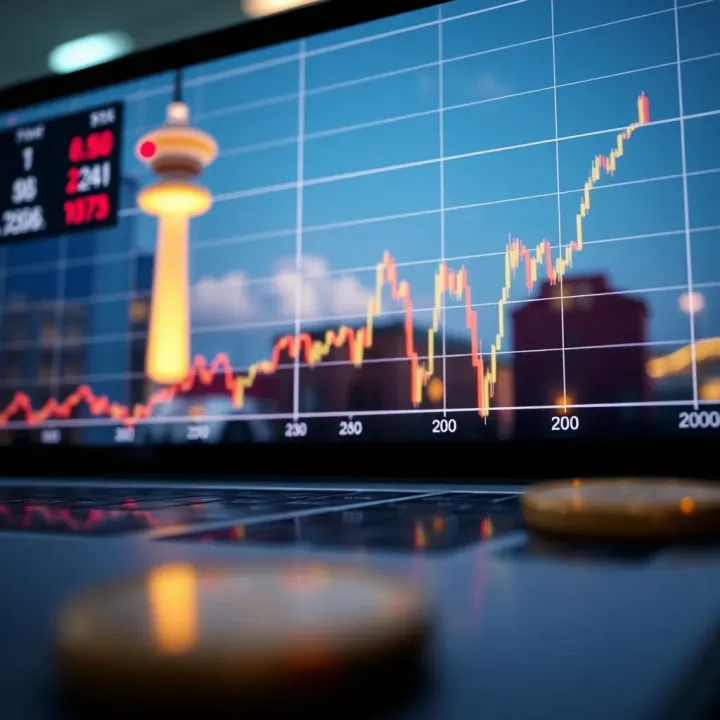
📊 Explore Ripple price trends, tech insights, market factors, and risks in South Africa. Stay informed for smarter investment choices in XRP crypto! 🚀
Based on 11 reviews