
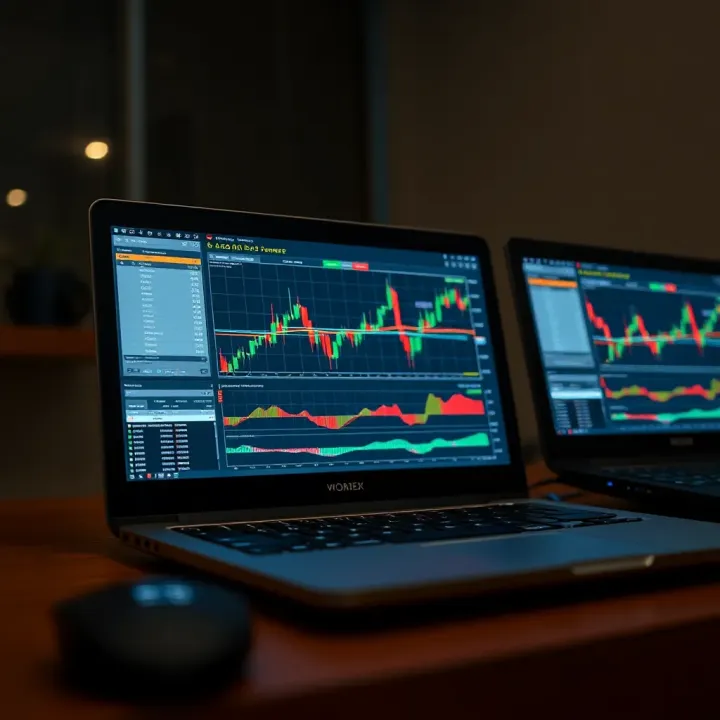
Best Laptops for Forex Trading in South Africa
📈 Find the best laptop for forex trading in South Africa, covering performance, connectivity, display quality, and security to boost your trading success.
Edited By
Amelia Foster
Forex trading, also known as foreign exchange trading, involves buying and selling currencies with the goal of making a profit. For South African traders, this market operates 24 hours a day, five days a week, offering flexibility to trade at various times depending on your schedule.
The forex market is the largest financial market globally, with over $6 trillion exchanged daily. It’s a decentralised market, meaning no single central exchange controls it. Instead, trades happen electronically through networks of banks, brokers, and individual traders.
South African traders typically focus on major currency pairs like the US Dollar (USD) against the South African Rand (ZAR), Euro (EUR), British Pound (GBP), or Japanese Yen (JPY). For example, the USD/ZAR pair is popular due to local economic factors, and understanding its movements can help capitalise on trends driven by events like SARB’s interest rate decisions or changes in commodity prices.
Trading platforms are an essential tool. MetaTrader 4 (MT4) and MetaTrader 5 (MT5) are widely used in South Africa, offering charting features, technical indicators, and easy order execution. Other platforms like TradingView can supplement your technical analysis through detailed charts and community-shared strategies.
Successful forex trading depends on knowledge, timing, and risk management. Even with the right tools, it involves substantial risk, so never trade money you can’t afford to lose.
Regulation: Choose brokers authorised by the Financial Sector Conduct Authority (FSCA) to protect your funds and ensure fair practices.
Spread and Fees: Low spreads (the difference between the buy and sell price) reduce trading costs. Some brokers offer fixed spreads while others are variable.
Leverage: While leverage can increase profits, it also magnifies losses. FSCA limits local retail leverage to protect traders.
Market Hours: Understanding global market sessions (Asian, European, US) helps pinpoint when the ZAR is most liquid.
By grasping these basics, South African traders can engage with forex more confidently, making informed decisions over guesswork or hearsay. The local market conditions and regulations shape how you’ll approach trading, so tailor your strategy with these in mind.
Forex trading is the act of buying and selling currencies against each other with the aim of making a profit. Rather than dealing with stocks or commodities, forex traders focus on currency pairs—where one currency is exchanged for another. In South Africa, understanding what forex trading entails helps traders know how global events and local economic conditions, like rand volatility or interest rate changes by the South African Reserve Bank, impact their trades.
Mastering these basics is key because forex markets operate 24 hours a day, giving traders flexibility but also requiring careful timing and strategy. For example, a Johannesburg-based trader can enter the market while the London session is active, taking advantage of higher liquidity and volatility during those hours.
Definition of forex trading: Forex (foreign exchange) trading involves exchanging one currency for another at an agreed rate. It's largely driven by supply and demand, international trade flows, economic indicators, and market sentiment. For South African traders, forex not only offers a way to profit from rand movements against the US dollar or euro but can also serve as a hedge against local currency depreciation.
How currency pairs work: Currencies trade in pairs, meaning you buy one currency and sell another simultaneously. For instance, the pair USD/ZAR reflects how many rand one dollar can buy. If you expect the rand to weaken against the dollar, you’d buy the USD/ZAR pair. Conversely, selling it bets on the rand strengthening. This dual currency setup allows precise speculation on currency moves.
Trading hours and market accessibility: The forex market never really sleeps. It follows the business hours of major financial centres: Sydney, Tokyo, London, and New York. South Africans benefit from this continuous trading, especially during London and New York overlaps, when liquidity peaks. Markets open Sunday evening SAST and close Friday evening SAST, enabling trading almost any time.
Commonly traded currency pairs: The majority of forex trading volume involves a handful of major pairs, including EUR/USD, USD/JPY, and GBP/USD. For South Africans, USD/ZAR is crucial due to direct rand exposure. These pairs offer tighter spreads and more predictable moves, making them appealing for both beginners and experienced traders.
Importance of the US Dollar, Euro, and Rand: The US dollar anchors the forex market globally, often called the world’s reserve currency. Its significance impacts all pairs, including USD/ZAR and EUR/USD. The euro also plays a significant role, influencing trade patterns with Europe. Locally, the rand's unique behaviours—especially its sensitivity to commodity prices and South African politics—mean traders need to keep an eye on both international and domestic news to gauge rand direction.
Exotic pairs and their features: Exotic pairs consist of a major currency paired with that from an emerging or smaller economy, such as USD/TRY or USD/MXN. In South Africa, pairs like USD/ZAR fall in this category. They tend to have wider spreads and less liquidity but offer opportunities for sharp price moves. Traders must be cautious of higher risk and potentially sudden swings due to political or economic instability.
Understanding these forex fundamentals helps South African traders make informed choices, balancing risk with opportunity amid fast-moving markets.
For anyone looking to trade forex in South Africa, understanding how to get started properly is key to avoiding common pitfalls. This section guides you through the basics of choosing the right broker, setting up your trading account, and preparing yourself to trade confidently in this fast-moving market.
Regulation and licensing are fundamental when picking a broker. In South Africa, the Financial Sector Conduct Authority (FSCA) regulates financial service providers to ensure they operate honestly and transparently. Brokers licensed by the FSCA are required to follow strict rules designed to protect traders, including client fund segregation and clear communication of fees. For example, a broker regulated by the FSCA must keep your trading capital separate from their own operational funds, lowering the chance of loss if the broker runs into trouble.
Moving beyond regulation, it’s useful to consider both local and international brokers. Popular South African brokers like IG Markets and Plus500 offer strong FSCA oversight and local support. International names such as Saxo Bank or Pepperstone also provide access to a wide range of currency pairs and trading tools but may have different regulatory environments. Choosing a broker familiar to South African traders often means smoother account management and easier deposits and withdrawals.
Trading fees and spreads are another factor to weigh. These costs can eat into your profits if not understood well. Brokers charge spreads—the difference between the buy and sell price—and sometimes additional commissions depending on the account type. A broker offering a fixed spread can provide cost certainty, but variable spreads might be tighter during normal market hours. For instance, if you’re trading the USD/ZAR pair, watch that the spread does not widen drastically during South African public holidays or during Eskom’s loadshedding periods when the forex market can become volatile.
Trading accounts come in types like standard, mini, or VIP, each with different deposit levels, leverage, and benefits. Funding options for South Africans typically include bank transfers, credit cards, and local payment services such as PayFast or SnapScan. Choosing a convenient and secure method impacts how quickly you can start trading and access your funds.
Verification processes are standard and crucial to comply with laws like the Financial Intelligence Centre Act (FICA). You’ll need to provide identification documents, proof of residence, and sometimes source of funds information. Compliance isn't just red tape—it safeguards against fraud and money laundering, ensuring a fair trading environment. For example, submitting a valid South African ID and a municipal account statement helps speed up verification.
Using a demo account is a smart move before committing real money. Demo accounts simulate live market conditions and allow you to test strategies and get comfortable with the trading platform without any risk. This practice helps you understand mechanics like leverage and stop-loss orders in a controlled setting. Many brokers, including those popular in South Africa, offer free demo accounts with no time limits, perfect for practice until you’re ready to trade live.
Starting with a trustworthy broker and a solid account setup, including understanding the costs and verifying compliance, lays the foundation for responsible and informed forex trading in South Africa.
Understanding forex trading strategies is key for any trader aiming to navigate the churn of the currency markets effectively. Strategies provide a structured approach to making trading decisions rather than relying on guesswork or impulse, especially important in a volatile environment like forex. For South African traders, knowing how to devise and adjust strategies based on local and global economic shifts can make a significant difference to profitability and risk management.
Day trading involves buying and selling currencies within the same trading day. Traders close out positions before the market closes to avoid overnight risks such as unexpected news or economic reports. This approach suits those who can dedicate time monitoring charts and have a low tolerance for prolonged exposure. Swing trading, on the other hand, holds trades from several days up to weeks, aiming to profit from expected “swings” or price moves. It offers more flexibility and suits those balancing trading with other commitments. For example, a swing trader might hold a position on USD/ZAR if economic data hints at a strengthening dollar over several days.
South African traders often rely on technical analysis to identify trends and possible entry or exit points. This approach uses price charts, patterns, and technical indicators like moving averages or RSI (Relative Strength Index) to forecast market direction. For instance, spotting a "double bottom" pattern on the EUR/USD chart could signal a buying opportunity. Technical tools help take the emotion out of trading by offering data-backed insights, making it easier to justify decisions.
Fundamental analysis involves examining economic indicators, government policies, interest rates, and geopolitical factors that influence currency values. For example, a hawkish interest rate announcement from the South African Reserve Bank (SARB) may boost the rand temporarily. Similarly, US non-farm payroll data can move USD pairs significantly. This analysis helps traders understand why markets move beyond just numbers on a chart, providing a broader context to plan trades realistically.
A solid trading plan underpins success by setting clear rules for when to enter and exit trades, how much capital to risk, and how to manage profits. Discipline in following this plan helps tame emotional reactions like panic or greed, which often lead to unnecessary losses. Consistency also builds experience and confidence, turning forex trading from a guesswork game into a skill refined over time.
Backtesting means trying your trading strategy against historical market data to see how it would have performed. South African traders can use local time zone data and conditions to fine-tune their approach. For instance, running your day trading method on past USD/ZAR movements during periods of increased loadshedding can reveal if the strategy is resilient under instability.
Markets do not stay still. Shifts in global economic policies, sudden political events, or even unexpected covid-19 developments can impact currency flows. A trading plan needs flexibility to adapt, such as tightening stop-loss orders during high volatility or pausing trading during politically tense times like elections. Regularly revisiting and adjusting strategies ensures they stay relevant and effective.
Consistency and adaptability in strategy development aren't luxuries but necessities in South Africa's dynamic forex landscape.
Each of these aspects helps build a comprehensive understanding of how successful trading works, from spotting opportunities to safeguarding your capital.
Managing risks in forex trading is not just a box to tick—it's the backbone of preserving capital and staying active in the market. For traders in South Africa, juggling market volatility alongside local economic shifts and broker considerations means having a solid grip on risk is critical to long-term success.
Forex markets can swing widely within minutes, especially during global economic announcements. For instance, the South African Rand often reacts sharply to changes in commodity prices or political developments. Using leverage—borrowed funds from your broker—might seem like an easy way to amplify potential profits. Yet, it equally magnifies losses. A trader using 1:100 leverage can quickly find a small 1% price move wiping out their entire investment if not managed carefully.
Economic reports such as South Africa's GDP figures, interest rate decisions by the South African Reserve Bank (SARB), or unexpected developments in mining strikes can all jolt the currency. Similarly, geopolitical tensions, such as unrest in neighbouring Mozambique or trade disputes involving major economies, can ripple into rapid Rand fluctuations. Keeping an eye on these factors is key because they can lead to sudden market gaps or sharp reversals.
The forex broker you choose holds your funds and executes your trades. Therefore, working with a broker regulated by the Financial Sector Conduct Authority (FSCA) ensures a layer of protection. Unauthorised brokers might offer tempting spreads or bonuses, but this often comes at the risk of poor execution, withdrawal delays, or worse, loss of funds. Always confirm the broker's licence status and read reviews from local traders before committing.
Placing stop-loss orders helps cap potential losses by automatically closing a position once a set price level is hit. For example, if you buy USD/ZAR at 18.50 and set a stop-loss at 18.30, your trade will exit to prevent deeper losses. Take-profit orders work similarly but lock in gains by closing the position at a predetermined profit level. Together, these orders remove the need for constant monitoring and help control risk efficiently.
Sizing your trades to manage how much of your total trading capital is at risk is vital. Many traders limit risk per trade to just 1-2% of their account. So, with a R10,000 trading account, risking R100 to R200 per trade helps avoid large drawdowns. Adjust position sizes based on stop-loss distances and currency volatility to maintain consistent risk exposure.
Emotions can wreck a trader's plan faster than market moves. Fear might prompt early exits; greed can lead to overleveraging or chasing losses. Discipline is essential—stick to your trading plan, use risk controls, and don’t let a string of wins or losses sway your judgement. Practising mindfulness and taking breaks, especially during volatile periods like SARB rate announcements, can keep emotions in check.
Managing risk isn't about avoiding losses entirely but about surviving the inevitable ups and downs to trade another day.
By understanding these risk factors and using practical techniques, South African traders can protect their trading capital and sharpen their strategy for consistent results.
For anyone trading forex in South Africa, having the right tools and resources isn’t just a nice-to-have — it's a necessity. These tools make it easier to analyse markets, execute trades quickly, and stay updated on changes that affect currency values. They also help manage risk and build confidence, especially when the local market faces challenges like Eskom loadshedding or fluctuating economic data.
Many South African traders rely on platforms like MetaTrader 4 (MT4) and MetaTrader 5 (MT5), which are popular with brokers such as IG, EasyEquities, and HotForex. These platforms offer a good balance of ease-of-use and functionality. South Africans also use platforms offered by local brokers which might provide faster deposit and withdrawal options in Rand, reducing currency conversion costs.
Choosing a platform that supports South African banking methods and complies with local regulations is key. For example, FNB Pay @ Ease integration or electronic funds transfer (EFT) features speed up funding and withdrawals, saving traders from unwanted delays.
Mobile apps have become a lifeline for many traders, especially those working during peak Eskom load shedding stages. Apps like the MT4 and MT5 mobile versions, plus ones from brokers such as AvaTrade or IG, allow traders to monitor movements and trade on the go. This flexibility is crucial when markets can shift in minutes — while you might be stuck in traffic or away from your desk.
Besides trading, these apps often provide alerts and news feeds tailored to your portfolio. So, if the Rand suddenly dips due to local political events, you get notified immediately and can adjust your positions.
Effective charting tools are fundamental. Software like TradingView is widely used for its customisable charts and various indicators. These tools help make sense of price action, identify trends, and time entries and exits better.
South African traders benefit from using charting tools that allow overlaying data like commodity prices (e.g., gold or platinum), which influence the Rand’s strength. Real-time data streams here are crucial; a delayed chart can mean missed opportunities or avoidable losses.
Learning is ongoing in forex trading. South African brokers and educational platforms like Investopedia or local offerings from the Johannesburg Stock Exchange (JSE) provide free webinars and courses tailored to local traders. These resources break down concepts like leverage, margin, and how world economic events impact the Rand.
Shame, whether a newbie or a seasoned trader, these learning tools help sharpen skills—like mastering candlestick patterns or understanding how South African Reserve Bank (SARB) announcements affect currency pairs.
Trader communities on platforms like Discord, Telegram, or local WhatsApp groups offer a chance to share insights, strategies, and alerts. Being part of these discussions exposes you to different views and helps validate your analysis.
Such groups often flag local developments that larger global news outlets might miss, like political changes in Pretoria or new regulations from the Financial Sector Conduct Authority (FSCA).
Currency values react fast to economic events. South African traders keep a close eye on SARB interest rate announcements, inflation data, and GDP numbers. Media outlets like Moneyweb, Fin24, and BusinessTech regularly report on these with detailed analysis.
Besides local news, global events like US Federal Reserve decisions or Chinese trade reports can impact your forex trades significantly. Using news aggregators or brokers’ news feeds focused on economic indicators helps traders stay ahead of volatility.
In forex trading, having timely, accurate information and the right tools can be the difference between a profit and a loss. South African traders can gain a solid advantage by choosing platforms and resources that align with their local realities and trading style.
📈 Find the best laptop for forex trading in South Africa, covering performance, connectivity, display quality, and security to boost your trading success.

📈 Learn how forex trading sessions affect activity and volatility in South Africa (SAST). Get tips to time your trades well around global market overlaps.
🔍 Get clear insights on crypto trading in South Africa. Learn to pick platforms, assess risks, understand legal rules, and trade smartly with local tips. ₿
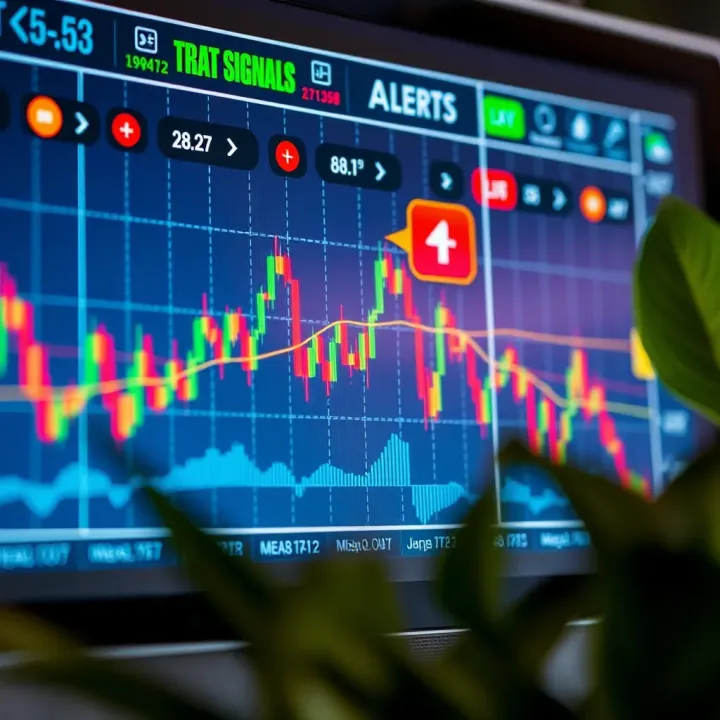
📈 Get to grips with signal trading in South Africa: learn how alerts guide your trades, pick the best signals, and manage risks effectively.
Based on 10 reviews