
Platform Trading Guide for South African Traders
📊 Explore platform trading in South Africa: tools, types, and tips to choose the right platform, navigate regulations, and stay ahead with local insights.
Edited By
Oliver Bennett
Mobile trading apps have reshaped how South Africans access financial markets, making it easier to invest and trade outside traditional office hours or brokerage desks. These apps bring the stock exchange, forex, and other investment platforms right to your smartphone or tablet.
South African brokers often provide dedicated mobile apps that link clients directly to local and international markets. For example, Standard Bank and FNB offer trading apps that integrate with their banking services, allowing customers to manage portfolios and track live prices in real time. This accessibility means you can monitor your investments while commuting on the Gautrain or even during lunch breaks without needing desktop access.

Mobile trading apps combine flexibility with functionality, enabling South African traders to respond to market moves promptly and manage their portfolios on the fly.
These apps typically offer features such as real-time price updates, market news tailored to South African equities, and tools for technical analysis, such as candlestick charts and moving averages. Notifications for price alerts or breaking news help you keep tabs on market swings, while some apps let you set up automated trades based on your criteria.
Security remains a crucial aspect, especially given South Africa's rising cyber risks. Reliable trading apps use encryption and two-factor authentication to protect your accounts. Always ensure you download apps directly from official broker websites or app stores to avoid phishing scams masquerading as legitimate trading platforms.
In practice, using a mobile trading app means:
Placing buy and sell orders for JSE-listed shares or international ETFs instantly
Accessing various asset classes, from shares, bonds, and forex to commodities
Tracking your investment portfolio's performance with clear graphical summaries
Trading from mobile devices fits neatly with the demands of a busy South African lifestyle but does require a decent internet connection—something to remember amid the occasional Eskom loadshedding, when data access might be affected.
Starting on a mobile app also means familiarising yourself with the user interface, order types (market, limit, stop), and brokerage fees applied to trades. South African brokers vary in this regard, so comparing apps can help find the one that suits your style.
In short, mobile trading apps put substantial market power in your pocket, but they also require a blend of careful selection, security awareness, and a clear understanding of trading basics to make the most of them.
Mobile trading apps have reshaped how South Africans engage with financial markets. They bring trading and investment opportunities right to your pocket, enabling you to buy or sell shares, track market movements, and manage your portfolio anywhere you are. This section explains what these apps are, how they operate, and their connection to South African markets.
Mobile trading platforms are specialised applications designed for smartphones and tablets. They allow traders to execute transactions electronically without needing a traditional desktop setup. This convenience means that whether you’re commuting on a taxi or waiting in a queue, you can monitor share prices or place orders instantly.
Unlike earlier desktop platforms, these apps focus on simplicity and speed, accommodating busy traders who need up-to-date info and easy navigation on smaller screens. For instance, FNB’s EasyEquities app lets users invest in fractional shares, making the market accessible even with modest capital.
The range of financial instruments available on mobile apps is quite broad. Beyond local shares on the Johannesburg Stock Exchange (JSE), many apps include exchange-traded funds (ETFs), bonds, and foreign equities, offering diversified options. Some platforms also provide access to derivatives like options and futures, but these are usually geared towards more advanced traders.
By supporting multiple asset classes, mobile apps help investors build balanced portfolios suited to their risk appetite. For example, you might buy a selection of JSE-listed blue-chip shares combined with offshore ETFs to hedge against rand volatility.
Mobile trading apps operate through partnerships with local brokers authorised to trade on the JSE and other regulated exchanges. These brokers act as intermediaries, executing your buy or sell orders through the app. This integration ensures your trades comply with South African law and market rules.
Since brokers are registered with the Financial Sector Conduct Authority (FSCA), your trading activity receives regulatory oversight, which adds a layer of protection. Moreover, local broker integration means payments, settlements, and share custody remain within South Africa’s financial system, making the process smoother and more secure.
Access to JSE-listed shares is a given on most South African mobile trading apps. Users can trade stocks across sectors like mining, banking, retail, and telecommunications directly from their phones. Besides shares, many apps offer government bonds and corporate bonds, providing fixed-income options.
Some platforms also open doors to international markets, allowing you to invest in global giants listed on the New York Stock Exchange or London Stock Exchange. Having this multi-market access through one app simplifies portfolio management and currency exposure.
Mobile trading apps are reshaping investment by making South African and global markets accessible anytime, anywhere, supported by local brokers that ensure regulatory compliance and transaction security.
In sum, understanding what mobile trading apps offer and their connection to South African markets is key to making informed decisions. These apps bring fluid access to diverse financial instruments, backed by trusted local brokers, which is crucial for traders keen to seize opportunities without delay.
When selecting a mobile trading app, knowing which features matter can save you time and headaches later. For South African traders, an app must not only feel intuitive but also meet the unique demands of our local markets and payment systems. Let's break down what you should focus on.
A clean, straightforward interface makes trading easier, especially if you're keeping an eye on fast-moving markets. Look out for apps that let you place trades with just a few taps, rather than confusing menus or cluttered screens. For example, apps like FNB’s Share Investing or EasyEquities provide simple dashboards tailored for new and experienced traders alike. A smooth experience reduces the chance of errors, especially when you’re trying to react quickly during volatile trading.
Your trading app must use strong encryption to protect your personal and financial info. This means data exchanged between your phone and the servers is scrambled so nobody can snoop on your trades or details. Most reputable apps adopt TLS (Transport Layer Security), the same protocol banks use. If encryption is weak or missing, your account becomes vulnerable to hackers.
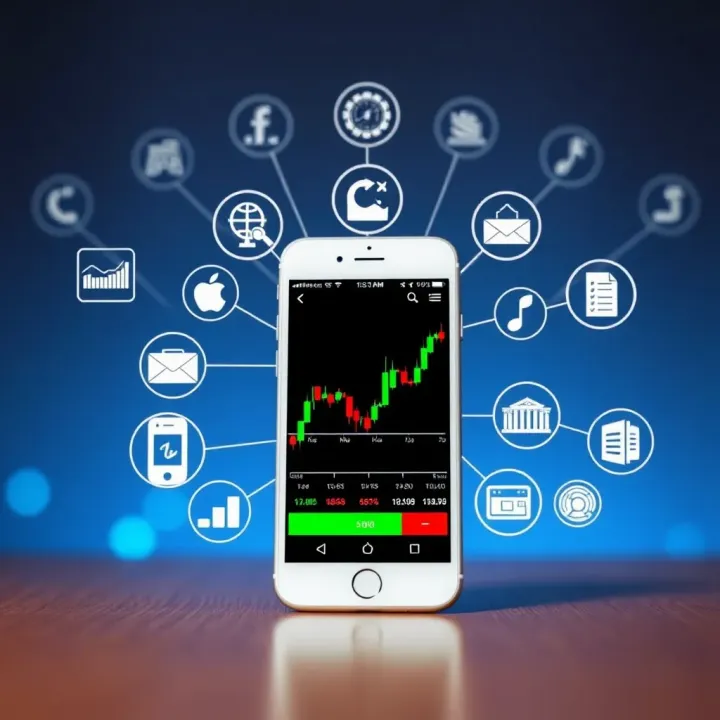
Relying on just a password isn’t safe enough nowadays. Two-factor authentication (2FA) adds a second step, like a code sent to your mobile or generated by an app, before you can log in or confirm trades. This extra layer catches fraudsters even if they somehow get your password. Apps like Standard Bank’s trading platform or PSG’s offering require 2FA, which is now standard practice in South Africa's financial apps.
Trading depends on timely information. Good apps push real-time prices and relevant news alerts so you’re not relying on delayed data. For South Africans, this includes live JSE (Johannesburg Stock Exchange) prices and market-moving announcements, such as SARB rates changes or earnings from local companies. Access to current information lets you make smarter, quicker decisions.
Understanding order types is key to controlling how and when your trades execute. A market order buys or sells immediately at the best available price, handy when you want to act fast. On the other hand, a limit order sets a price ceiling or floor, meaning your trade will only happen if the market reaches that level. This helps avoid paying too much or selling too low.
Risk management tools like stop-loss orders automatically trigger a sale if a stock drops to a certain price. This prevents big losses if markets turn sour unexpectedly. Some apps also offer take-profit orders, which lock in gains once your target price is hit. Having these options at your fingertips on mobile means you can manage risk effectively even when away from your computer.
A convenient trading app must support South African deposit methods. This includes instant EFTs (electronic funds transfers) from popular banks like FNB, Nedbank, or Standard Bank. Some platforms even accept mobile wallet payments or credit card deposits. Easy withdrawals back into your bank account without hidden fees or delays are equally important.
Integration with services like PayFast or Peach Payments can speed up transactions and offer additional security layers trusted by local users. Apps that include these providers often provide smoother funding processes and better support for South African users compared to international platforms that might only accept global payment systems.
When choosing a mobile trading app, pay close attention to these key features to ensure your trades are secure, your funds move smoothly, and you stay updated on the market pulse across South Africa’s financial landscape. A well-designed app that fits these criteria can make all the difference between a frustrating experience and confident, active trading.
Selecting the right mobile trading app matters more than many realise. It impacts your trading experience, the costs you incur, and how safely your money is handled. Especially in South Africa, where market access, fees, and regulatory environments vary considerably, taking the time to compare options pays off. The choice determines whether trading feels like smooth sailing or a frustrating exercise.
Fees can quietly eat into your profits if you’re not careful. Look beyond just the headline commission rates — some apps add charges for withdrawals, deposits, or even currency conversion if dealing with offshore assets. For example, a local broker might charge R20 per trade but waive deposit fees, while an international platform might offer zero commission trades but sneak in withdrawal costs.
Moreover, consider the impact of monthly or annual platform fees if you’re a casual trader. Apps like EasyEquities tend to have transparent fee structures, whereas others may have hidden charges that only show up in fine print. Calculating these costs upfront can save you unpleasant surprises that chip away at your returns.
In South Africa, the Financial Sector Conduct Authority (FSCA) regulates financial service providers to keep the market fair and protect investors. Choosing an app linked to an FSCA-approved broker means your money is in safer hands — brokers must adhere to strict rules around transparency, client fund segregation, and honest marketing.
The FSCA also handles complaints and disciplinary actions. If things go sideways, users have legal avenues through FSCA processes. So, using a regulated platform isn’t just about compliance, but also about player accountability in the market.
Local licensing matters because it reflects adherence to South African law and investor protection frameworks. When a broker or app holds a South African licence, they are required to follow tax reporting laws and anti-money laundering rules (like FICA compliance). Plus, you avoid complications with cross-border financial laws that could delay withdrawals or complicate tax declarations.
For instance, trading through an unlicensed offshore app might seem cheaper or more convenient but can expose users to risks like limited dispute resolution and inaccessible client fund protection. Local licensing provides a guarantee that the broker is under local oversight, making your trading journey smoother and safer.
Community insights often reveal nitty-gritty details about app usability, hidden fees, and customer support responsiveness that official info glosses over. South African trading forums and user reviews on platforms like MyBroadband or social media groups can alert you to real experiences — sham complaints, outages during critical trading hours, or delays in payment processing.
Reviews also highlight practical issues: does the app work well on lower-end smartphones common in some areas? How's the experience during load-shedding periods? Such local context is valuable for a trader living under South Africa’s unique conditions.
Your trading app must run smoothly on your device. Some apps are optimised only for newer Android or iOS versions, which might leave users with older phones or tablets struggling. A well-designed app offers consistent performance even on low data connections or less powerful hardware.
Check whether the app supports multiple device types, like smartphones, tablets, and desktop browsers, for convenience. Also, confirm if regular updates fix bugs and introduce enhancements without disrupting your trading. This compatibility assures you won’t miss trades because of technical glitches.
Choosing your mobile trading app should balance cost, reliability, security, and usability — tailored to South African trading realities. Do your homework upfront; it makes all the difference in staying ahead of the market without unnecessary hassle.
Starting with basic trading strategies is essential for anyone new to mobile trading, especially in the South African market where volatility and varying economic factors can influence asset prices. Understanding simple yet effective strategies helps prevent common pitfalls like emotional trading or overexposure. Using a mobile app allows beginners to act quickly on market movements, but without a strategy, quick decisions can easily lead to losses.
Market order timing means deciding the best moment to enter or exit a trade using a market order, which is executed immediately at the current price. With mobile trading apps, especially when markets are moving fast, timing your order is key. For instance, when the JSE opens in the morning, share prices can fluctuate significantly. A beginner using a market order without paying attention to such volatility might experience slippage — where the executed price differs from the expected price.
To prevent this, traders should watch the price trends and avoid placing market orders during highly volatile periods, such as during major company announcements or economic data releases. Instead, using limit orders around these times can help control costs, as the transaction only occurs at a specified price or better. Practically, if you're trading a blue-chip stock like Naspers, timing your market orders outside of rush hours or after earnings announcements might save you from unexpected price jumps.
Diversification ensures you don't put all your eggs in one basket. Rather than buying shares in a single company like Sasol, spreading your investment across different sectors — say, mining, retail, and telecommunications — helps reduce risk. This approach protects your portfolio if one sector faces a downturn. For example, if mining shares drop due to falling commodity prices, a positive performance in retail or financial services shares might balance losses.
Diversifying within asset classes is also useful. Combining JSE shares, exchange-traded funds (ETFs), or even government bonds via your trading app can add stability to your portfolio. Many mobile platforms even allow easy access to unit trusts or fixed income products, providing further options for spreading risk.
Using stop-loss orders effectively is about setting pre-determined exit points that limit potential losses. Suppose you buy shares in MTN at R100 per share; setting a stop-loss at R90 means the app will automatically sell the shares if the price falls to R90, protecting you from bigger losses if the stock price continues to drop.
Stop-losses are vital for beginners who might not monitor the market constantly. With South African stocks sometimes reacting sharply to political or economic news, having stop-loss orders can save you from significant losses without needing to watch your phone all day. Just keep in mind that in highly volatile markets, stop-loss orders may trigger due to temporary price dips, so setting them too close to the purchase price might cause premature selling.
Regular portfolio reviews ensure your investments still line up with your financial goals and risk appetite. Using a mobile trading app, you can check your holdings anytime and assess how each asset performs. For example, if your original plan was a 60/40 split between shares and bonds, but after several months it’s shifted to 80% shares due to market gains, it might be time to rebalance.
Rebalancing means selling some of the better-performing assets and buying others to maintain your intended balance, protecting against concentrated risk. Also, reviewing your portfolio helps identify if some stocks have reached your target price or if certain sectors are underperforming, letting you make informed decisions rather than reactive ones.
Consistent review and disciplined use of trading features like stop-loss orders and order timing turn your mobile trading app experience from guesswork into a controlled, strategic activity.
Building these habits early on sets a strong foundation for growing confidence and trading success in South Africa’s financial markets.
Mobile trading apps rely heavily on technology to provide users with smooth, reliable access to financial markets anywhere in South Africa. Understanding this tech is key for traders and investors who want confidence that their trades execute promptly and securely. This section breaks down how connectivity, updates, and integration with data providers support a seamless trading experience.
South Africa’s mobile networks vary widely in coverage and speed depending on location and provider. Traders using mobile trading apps must consider data costs and connectivity quality, especially since real-time updates on price movements and market news are essential for timely decisions.
Data bundles can drain quickly if an app constantly polls for updates without optimising data use. Vodacom, MTN, Telkom, and Rain offer different data packages and coverage ranges, so choosing the right profile can make a noticeable difference. For instance, many traders rely on MTN’s wide LTE coverage in Gauteng and Western Cape but might struggle in rural areas, where Rain’s coverage is patchier but cheaper.
Offline features and caching help mitigate connectivity issues. Some trading apps save snapshots of market data and transaction histories on your device, allowing you to review your portfolio or prepare trades even when you lose signal temporarily. This is especially useful during Eskom loadshedding when mobile networks can be strained, or in areas with unstable mobile coverage.
By caching essential information, these apps minimise data consumption and improve responsiveness when reconnecting to the network. Still, confirmation of trades and live prices require active connection, so it pays to monitor your mobile signal strength before placing time-sensitive orders.
Regular updates keep trading apps secure and compatible with the latest mobile operating systems. Software maintenance addresses bugs that could affect order processing or market data accuracy. In South Africa’s fast-moving markets, delays caused by outdated apps can result in missed opportunities or worse, financial loss.
Good apps also adjust for local conditions, such as adjusting to South African time zones (SAST) and integrating new regulatory requirements from the Financial Sector Conduct Authority (FSCA). Always keep your app updated; developers often release patches that improve speed, enhance encryption, or add features like better push notifications for market alerts.
Application programming interfaces (APIs) are the behind-the-scenes lifelines connecting mobile trading apps to stock exchanges, broker systems, and financial news feeds. By integrating with reputable data providers, apps deliver real-time JSE share prices, forex rates, and even commodities data like gold and platinum prices.
For example, a popular South African trading app might pull live pricing from the Johannesburg Stock Exchange (JSE) via a secure API, while simultaneously fetching news updates from platforms like BusinessTech or MyBroadband. The better the API integration, the faster and more accurate the information you receive.
Plus, APIs enable smooth transaction execution with brokers, instantly updating order books and portfolio balances. For traders, this means less time waiting for confirmation and more time responding quickly to market moves.
Reliable technology underpins trust in mobile trading apps. Whether it’s managing South Africa’s mobile data landscape or ensuring crisp, up-to-the-minute financial data, these systems make mobile trading practical and efficient for local users.
Understanding the technology aspects can help you pick an app that suits your trading style and local conditions, giving you an edge in the market.
📊 Explore platform trading in South Africa: tools, types, and tips to choose the right platform, navigate regulations, and stay ahead with local insights.

📈 Discover how FXGM serves South African traders with tailored platforms, local account options, and key advice to trade confidently in Rands and global markets.
Explore Libertex in-depth 🌍: account choices, trading tools, fees, support & security for South African traders 🛡️. Find out if it suits your trading style💹.

🔍 Get clear insights on crypto trading in South Africa. Learn to pick platforms, assess risks, understand legal rules, and trade smartly with local tips. ₿
Based on 10 reviews