

Understanding Blue Guardian: Features and Uses
Explore Blue Guardian’s features, security, and real-world benefits for businesses and industries. Learn how it safeguards data and fits various applications 🔒🌍
Edited By
George Miller
Trade apps have reshaped how individuals and businesses in South Africa buy and sell assets, from stocks and forex to commodities and cryptocurrencies. They’re not just basic platforms for placing orders but multifaceted tools that help users monitor the market, analyse trends, and make smart decisions quickly.
At their core, trade apps provide direct access to trading markets through mobile devices or desktops, allowing users to act in real time — essential when seconds can mean the difference between profit and loss. Popular examples include local access apps like EasyEquities for stock investing and international platforms such as IG or Plus500 that cater to forex and CFDs.
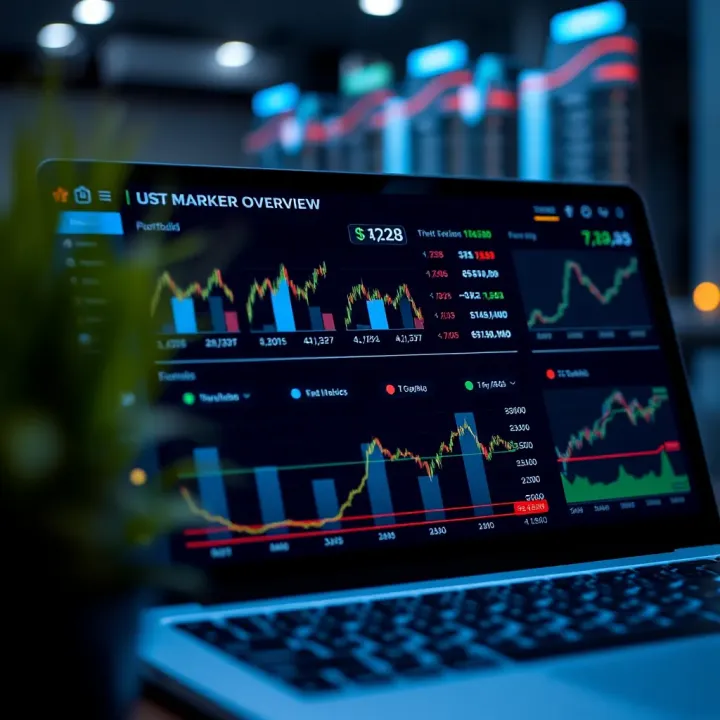
These apps typically offer features like live price updates, charting tools, and order execution options. More advanced platforms might include algorithmic trading capabilities, integrated newsfeeds, or social trading, where you can follow other successful traders.
Trading via apps has become especially important in South Africa, considering factors like loadshedding which can disrupt traditional trading with brokers. Having the market in your pocket means you stay connected even when power falters.
Choosing the right trade app requires looking beyond just fees or a flashy interface. Security is vital, particularly with the rise of cyber threats targeting fintech apps. Look for platforms with robust authentication protocols and clear regulatory compliance, whether under the Financial Sector Conduct Authority (FSCA) or other international bodies.
Usability also matters. For professionals like financial advisors or analysts who need quick data access and smooth execution, a cluttered or slow platform can be frustrating. Meanwhile, beginner traders might prefer simplicity and helpful tutorials.
In South Africa, costs vary widely — from zero-commission stock trades on some local apps to spreads and overnight fees on forex and CFD platforms. Be aware of hidden costs that can eat into your returns.
In summary, a good trade app fits your trading style, offers reliable security, and provides the features you need without breaking the bank. In the sections that follow, we’ll examine these aspects in more detail, helping you make the right choice and maximise your trading opportunities locally and beyond.
Trade apps are software applications designed to make buying and selling easier, faster, and more accessible. In South Africa, these apps have changed how individuals and businesses trade, whether it’s everyday items or financial assets. At their core, trade apps connect buyers and sellers on a digital platform, often streamlining the process by handling listings, payments, and communications in one place.
Understanding how these apps work is useful because they each offer different tools and cater to various markets. Knowing which app fits your needs can save you time and money, especially when dealing with financial transactions or investments where speed and security matter.
Trade apps serve as digital marketplaces or trading platforms. Their main purpose is to simplify transactions and make markets more accessible. For example, a small business owner might use an e-commerce app to sell products across South Africa without having a physical store. Meanwhile, an investor might turn to a stock trading app to buy shares on the Johannesburg Stock Exchange (JSE) from their smartphone.
These apps typically focus on user convenience, transparency, and reducing barriers such as long waiting times or complex procedures. They also often include features like price tracking, alerts, and secure payment systems, improving the overall trading experience.
E-commerce trade apps are probably the most familiar. Apps like Takealot serve as online shopping centres where users can browse different sellers and products. For sellers, these platforms offer access to a nationwide audience without needing a shopfront. Buyers benefit from competitive prices, product variety, and user reviews to guide purchases.
Besides the convenience of ordering from home, these apps manage logistics such as delivery tracking and returns—services that are vital in a country where distances between urban centres and rural areas can be significant.
Stock trading apps enable users to trade shares, bonds, and other securities directly from their phone or tablet. For South African investors, platforms like EasyEquities provide affordable access to the JSE and international markets. These apps usually feature real-time market data, portfolio tracking, and educational resources.
Such apps democratise investing, letting people with smaller budgets enter the market. However, they also require users to understand market risks and fees, making education a key part of these platforms.
Trading cryptocurrency through apps has become more popular as digital currency gains traction worldwide. Apps such as VALR allow South Africans to buy, sell, and store cryptocurrencies like Bitcoin and Ethereum safely.
These apps often come with features like wallet integration, price alerts, and security measures designed to protect users from hacks. Cryptocurrency trading carries high volatility, so these platforms tend to emphasise informed decision-making and risk management.
Peer-to-peer (P2P) marketplace apps connect individuals directly to trade goods or services without middlemen. For example, Bidorbuy allows individuals to auction items or sell second-hand goods directly to buyers.
This setup promotes trust and negotiation between users, with the app providing tools like messaging and payment protection. P2P platforms are particularly popular for unique or niche items and can offer better prices since no retailer markup is involved.
In all cases, choosing the right trade app depends on understanding your specific needs—whether it’s product variety, investment access, or cryptocurrency trading—and how an app’s features support those needs effectively.
Trade apps have grown into essential tools for traders, investors, and financial professionals, making it easier to transact and manage portfolios efficiently. Understanding the core features these apps offer is key to choosing one that fits your needs, whether you’re trading stocks, cryptocurrencies, or running an e-commerce business.
A smooth user interface (UI) makes all the difference when you’re managing trades on the go. Trade apps should present information clearly and allow seamless navigation between markets, charts, and orders. For example, EasyEquities offers an intuitive layout that even beginners find straightforward, helping users jump in without a steep learning curve. Consistent app updates that streamline usability reflect developers’ commitment to keeping the user experience sharp. Access speed matters too: slow-loading apps can cost you money when the market moves quickly.
Security is non-negotiable with trade apps. Let's break down the main aspects:
Encryption protects your sensitive data, like passwords and transaction details, from being intercepted. Most good trade apps use SSL (Secure Sockets Layer) or TLS (Transport Layer Security) protocols, ensuring all data sent between your device and the app’s server is unreadable to outsiders. Secure login processes, like two-factor authentication (2FA), add a second layer of defence. For instance, when logging into IG South Africa, users get a one-time pin on their mobile, which thwarts hackers even if they got hold of your password. This combination of encryption and logged security significantly reduces the risk of account breaches.
Trade apps face constant threats from fraudsters aiming to swipe funds or steal personal information. Good apps monitor unusual account activity and flag transactions that appear suspicious. Some also freeze accounts automatically if they detect potential fraud, alerting users instantly. This rapid response helps stop losses before they spiral. It's advisable to check if your chosen app has a reputation for robust fraud protection—this can save you from headaches and financial harm.
South Africa’s Protection of Personal Information Act (POPIA) mandates how personal data must be handled and stored. Trade apps operating locally are required to comply with these regulations to protect your privacy. Compliance means apps have strict policies on collecting, storing, and sharing user data. They must also notify users if a data breach occurs. When choosing a trade app, you want one that takes POPIA seriously to avoid exposing yourself to identity theft or other data misuse. Look for apps that clearly explain their privacy policies and data handling practices.
The speed and reliability of payment processing greatly affect trade execution and overall trading success. A quick transaction means you can buy or sell assets at your desired price without costly delays. Many South African trade apps now support instant payment methods like EFT (Electronic Funds Transfer) and mobile wallets such as SnapScan or Zapper, speeding up deposit and withdrawal processes. Plus, apps that integrate local payment gateways tend to offer smoother, faster transactions compared to international counterparts.
Fast and secure payments combined with easy-to-use interfaces and strong security build trust and ensure that trade apps meet the demands of today's traders and investors.
Understanding these key features puts you in a better position to select an app that aligns with your trading style and security needs, giving you peace of mind and better control over your investments.
Picking the right trade app matters more than many realise. With so many options, the app you choose can have a big impact on your trading efficiency, costs, and security. This section breaks down key factors you should consider to find an app that fits your needs and style.
Reputation tells you a lot about how well an app performs in real life. Look for feedback from users, especially those trading in South Africa, since local support and compliance are crucial. For example, EasyEquities has built a solid reputation by offering transparent fees and a user-friendly interface. When reading reviews, focus on consistent mentions of reliability, ease of use, and how the app handles customer service. Beware of apps with many unresolved complaints or vague responses from developers.
Transaction fees often affect your bottom line directly. These fees apply each time you buy or sell an asset and can vary widely between platforms. For instance, a share trade on one app might cost you R15 per transaction, while another charges a percentage of the trade value. If you trade frequently, these fees add up quickly and may erode your profits. So, always check the fee schedule and calculate what it means for your typical trade size.
Subscription charges are recurring fees some apps charge just for access or additional features. These could be monthly or yearly. Apps aimed at serious traders or investors might charge for advanced charting tools or real-time market data. Consider if these extras justify the ongoing cost. An investor starting out may prefer an app without subscription fees, such as Bidorbuy for local marketplace needs, before committing to a premium plan.
Hidden costs to watch for include withdrawal fees, currency conversion charges, or penalties for inactivity. These may not be obvious upfront but can catch you off guard. For example, if you pull out funds to your bank account, some apps charge R30 or more per withdrawal. Also, if the app converts currencies during trades (say from ZAR to USD shares), currency exchange fees apply. Understanding these helps you avoid surprises and manage costs better.
Customer support is vital when issues arise, from failed transactions to login problems. An app with responsive and helpful support saves time and stress. Look for platforms offering multiple contact channels like phone, email, and live chat. Also, check if they provide training resources such as tutorials, webinars, or FAQ sections. Apps like IG South Africa offer extensive educational materials that help beginners get up to speed quickly.
Choosing the right trade app isn’t just about features; it’s about finding a dependable partner that suits your trading goals, budget, and support needs. Take time to compare before committing your hard-earned money.
The right app lays the foundation for a smooth trading experience and helps you make informed decisions without unnecessary costs or frustrations.
South Africa’s trade app scene is quite diverse, catering to different needs — from buying everyday items to investing in markets. Knowing which app suits your purpose can save you time and give you a sharper edge, whether you’re a casual shopper or a serious investor. The apps on offer blend familiar global tech with local nuances, handling payments in Rand and adjusting for our unique challenges like loadshedding or data costs.
Takealot is probably the go-to e-commerce app for many South Africans. It’s known for its broad product range, from electronics to homeware, making it a convenient one-stop-shop. What sets Takealot apart is its reliable delivery network that stretches across major cities and smaller towns, helping shoppers in places where physical stores might be scarce. Their promotions around sales events like Black Friday or December are also a draw, offering competitive prices. Plus, using mobile data to browse or buy on Takealot is fairly optimised, which matters when data prices aren’t always friendly.
Bidorbuy works a little differently. It’s a marketplace where users can buy and sell both new and secondhand goods via auctions or fixed prices. This format suits traders who want to test the waters with less stock or buyers chasing unique or affordable items. Bidorbuy offers protection mechanisms to build trust between buyers and sellers, which is crucial in a market where you might encounter unknown sellers. For local entrepreneurs and hobbyists, this platform provides an accessible space without needing hefty setup costs.
When it comes to dipping your toes into the stock market, EasyEquities simplifies the process. It’s designed to be user-friendly, even if you’re new to investing. What’s practical about this app is the ability to buy fractional shares — so you don’t have to fork out big sums at once. This feature opens up investment opportunities for locals who might have tight budgets but want to start building a portfolio. EasyEquities also integrates well with South African stock exchanges and adheres to local regulations, helping users feel safer with their investments.
IG South Africa is tailored more towards experienced traders, offering access to a deeper range of assets, including forex and contracts for difference (CFDs). For those who want more control and real-time data, IG provides advanced charting tools and educational resources that fit local market contexts. The app supports South African bank transfers and adheres strictly to financial compliance here, which means smoother deposits and withdrawals in Rand. It’s a solid pick if you want an app that can grow with your trading skills.
Picking the right trade app isn’t just about features; it’s about how well those features fit your own trading or shopping style, your familiarity with tech, and how much risk you’re comfortable carrying. In South Africa’s busy market, local insights and tailored support often make all the difference.
Getting the most from trade apps isn't just about choosing the right one — it’s also about how you use them daily. Smart use can save you money, prevent mishaps, and keep your data safe, especially considering the risks in online trading and sales. Let’s break down some practical tips to ensure your trading experience runs smoothly.
Keeping your device and trade apps up to date is one of the simplest yet most effective ways to protect yourself. Updates often come with security patches that fix vulnerabilities criminals can exploit. For example, if you’re using the EasyEquities app for stock trading, regularly updating the app and your phone’s system software shields you from hacks and bugs. Ignoring updates is like leaving your front door unlocked in a rough neighbourhood: it just invites trouble. Plus, updated apps usually run smoother with new features or improvements that can enhance your trading efficiency.
Regularly checking your transactions and account activities helps you spot anything off promptly. Traders often overlook the importance of scanning their statements until it’s too late. Setting aside time daily or weekly to review your purchases, sales, or investments ensures you catch unauthorised transactions early. For instance, if you’re selling goods through Bidorbuy, monitoring your payment notifications and sales history can prevent issues such as duplicated payments or fraudulent orders. If something looks suspicious, contacting customer support immediately reduces potential losses.
Alerts and notifications aren’t just there to pester you; they act as your personal watchdog. Customise alerts for critical activities like price movements, transaction completions, or login attempts on platforms such as Takealot or IG South Africa. For example, enabling a notification for each completed trade or payment received helps you stay on top of your account in real time without having to constantly log in. On the flip side, avoid overloading yourself with trivial alerts — too many can cause alert fatigue, making you ignore important messages. Prioritise notifications that matter most to your trading goals.
Staying proactive with these simple practices transforms how you interact with trade apps, improving security and ensuring you don’t miss key opportunities or potential risks.
Taking these steps isn’t complicated or time-consuming; it’s about making thoughtful habits part of your daily routine. In South Africa’s dynamic trading environment, such measures help you navigate safely and profitably.
Explore Blue Guardian’s features, security, and real-world benefits for businesses and industries. Learn how it safeguards data and fits various applications 🔒🌍

📊 Mate Trade 5 breaks down trading strategies, practical uses, key factors, and sector impacts. Learn about challenges and fixes to trade smarter locally.

Explore how derived concepts shape maths, finance, linguistics & data science in SA 🇿🇦. Clear examples show their real-world impact and problem-solving value💡.

🔍 Understand 'deriv' in maths, linguistics, finance & computing with local examples 📊 Clear insights for South African readers on how derivations affect these fields.
Based on 12 reviews