
Understanding Synthetic Indices Explained
📊 Explore synthetic indices in financial markets: how they work, their benefits & risks, trading tips, and South African regulations in detail.
Edited By
Amelia Scott
Synthetic indices offer a unique opportunity for traders and investors by replicating real-market conditions without relying on traditional assets like stocks or commodities. Unlike usual indices on the JSE or global exchanges, these are generated through algorithms designed to mimic market behaviours. Understanding what drives these indices helps you anticipate their moves and manage risks more effectively.
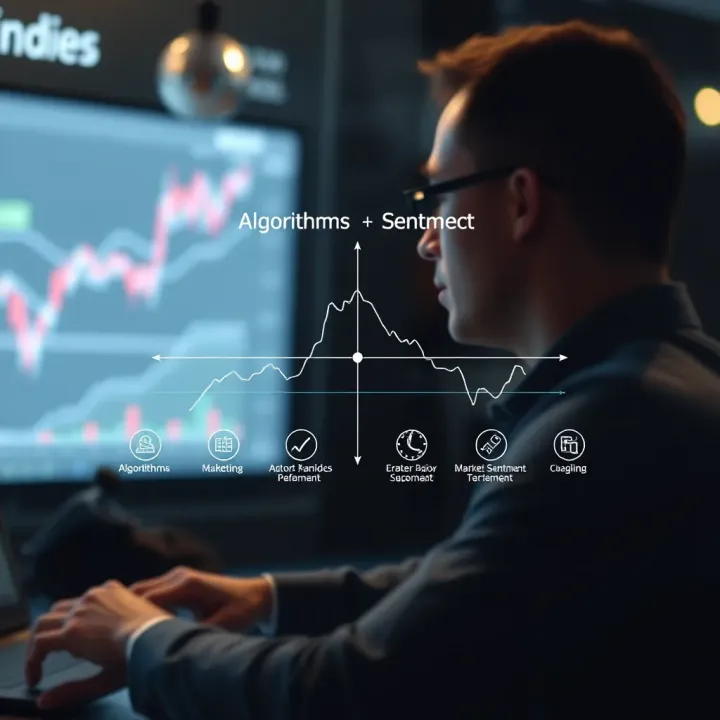
Synthetic indices are financial instruments provided mainly by online trading platforms. They simulate price movements of assets but are disconnected from actual market supply and demand. Their values change based on pre-set algorithms, incorporating elements like volatility and randomness to replicate genuine market dynamics.
Four main factors influence synthetic indices:
Underlying Algorithms: The engine behind synthetic indices are complex models that calculate price changes second by second. These algorithms combine randomising functions with rules designed to mimic real market events. For example, a 5-minute volatility burst in the algorithm can resemble sudden market jitters traders might know from forex or equities markets.
Market Sentiment Simulation: To make these indices resemble actual market behaviour, some platforms incorporate sentiment-like variables such as the frequency of trades, direction bias, and momentum within the algorithm. This imitation helps traders experience what it’s like to trade on volatile but predictable moving indices.
Volatility Levels: Volatility is programmed to shift during the trading session, simulating calmer or turbulent phases. When the synthetic index volatility spikes, price swings widen, resembling what happens during real-world news releases or crises.
External Influences: Although synthetic indices aren’t linked to real assets, external factors such as global economic cycles or geopolitical events can nudge platforms to adjust the algorithms subtly. For instance, during heightened global uncertainty, platforms might increase volatility settings to reflect the traditionally restless markets.
Understanding these interacting forces clarifies why synthetic indices behave the way they do. Knowing this can help you fine-tune trading strategies, especially if you’re used to traditional markets but want to explore synthetic options.
Watch for volatility shifts and be mindful that synthetic indices might not always react like real markets. Their moves are rules-based and sometimes predictable once you spot the pattern in the underlying algorithm. Combining this knowledge with standard risk management tools can offer a robust approach to trading synthetic instruments effectively.
In the sections that follow, we'll break down each of these drivers further, with practical examples and trading tips tailored to South African investors and brokers.
Synthetic indices are a unique type of financial instrument designed to mimic market behaviour without relying on traditional underlying assets. Understanding what drives these indices is essential for anyone trading or investing in them because they don't move based on real-world economic activity or company performances. Instead, they rely on simulated data and coded algorithms, offering a way to experience market dynamics even when one is outside regular trading hours or seeking consistent volatility.
Simulation of market scenarios: Synthetic indices replicate the price movements of real financial markets but are generated through algorithms. Traders can benefit from this simulation, especially when traditional markets are closed or less volatile. This allows for a wider range of trading opportunities and the ability to test strategies in predictable conditions. For example, indices based on volatility could move consistently regardless of South African market hours.
Difference from traditional indices: Unlike indices such as the JSE Top 40 or the FTSE 100, which track actual companies’ market capitalisation and economic activities, synthetic indices are artificial constructs. They don't represent real ownership in businesses but instead show algorithm-driven price changes designed to mimic market action. This means their price swings may not align with economic news or corporate earnings, so traders should approach them with an understanding of their artificial nature.
Common platforms offering synthetic indices: Several trading platforms popular in South Africa provide access to synthetic indices. For instance, platforms like Deriv or Binary.com offer indices based on volatility, with round-the-clock availability. These platforms often create various synthetic indices representing different volatility levels and timeframes, giving traders significant flexibility. Knowing which platforms provide reliable and regulated access to synthetic indices is key for safety and liquidity.
Trading risks and opportunities: Synthetic indices carry risks distinct from traditional markets because the underlying prices aren’t driven by tangible economic factors but by algorithms designed to simulate market conditions. This can lead to predictable patterns but also sharp, unexpected swings. Traders who grasp these dynamics can identify moments of opportunity while managing risks effectively with tools like stop losses.
Application in portfolio diversification: Including synthetic indices in a portfolio can offer diversification benefits, especially when traditional assets are closely correlated. Since synthetic indices don’t track actual companies or commodities, their movements might not mirror South African equities or commodities markets. This can help smooth overall portfolio volatility, though investors should carefully assess how synthetic instruments fit within their broader strategy.
Behaviour under different market conditions: Synthetic indices often maintain steady activity regardless of global or local market news, which is quite different from traditional indices reacting to economic events or political developments. For example, synthetic volatility indices may continue showing constant price changes even during Eskom loadshedding disruptions or when the JSE is closed. Understanding this behaviour helps traders anticipate how these products might perform through various economic cycles.
Grasping the foundational nature of synthetic indices and their movement patterns equips traders and investors with the insights they need to trade confidently and wisely, making the most of these alternative market tools.
Algorithms form the backbone of synthetic indices, determining how prices move without direct ties to traditional market assets. Understanding how these algorithms operate helps traders anticipate potential price behaviour, making it easier to navigate the unique nature of synthetic markets.
Random number generation and pattern design play a vital role in simulating price fluctuations. Synthetic indices often use random number generators to mimic the unpredictability of real markets while also embedding designed patterns that create trends and reversals. For example, the algorithm might introduce subtle cycles to mimic natural market rhythms, giving traders indicators to study and respond to, just like in real trading.
Mathematical models underpin these random movements by applying statistical rules and probability distributions. These models ensure price changes behave in a way that feels genuine rather than purely random noise. For instance, techniques like Monte Carlo simulations or geometric Brownian motion are used to model price paths, allowing synthetic indices to replicate the statistical properties of real financial markets. This consistency is crucial for traders relying on technical analysis.
To ensure market-like volatility, algorithms inject fluctuations that resemble real-world volatility patterns, such as sudden spikes during high activity or calmer periods at other times. This design helps traders apply familiar strategies, such as volatility breakout or mean reversion, within synthetic indices. For example, an algorithm might simulate a sharp move similar to what happens in the currency markets during news releases, keeping market behaviour dynamic and challenging.
Algorithms controlling synthetic indices are not set in stone; developers adjust them regularly to keep markets balanced and realistic. The frequency of algorithm adjustments can vary — sometimes taking place weekly or monthly — depending on trading volume and feedback. Updates might tweak volatility levels or pattern complexity, directly impacting how indices behave over time.
These adjustments naturally affect trading patterns, causing shifts in price momentum or the regularity of trends. For example, an increase in volatility parameters could create more dramatic price swings, offering both opportunities and risks for traders. Adaptation is essential; failing to recognise changes in the underlying algorithm can leave traders exposed to unexpected moves.
Transparency around these algorithms varies widely. While some platforms disclose the broad methodology, many keep specifics under wraps. This lack of transparency challenges regulatory scrutiny and can complicate traders’ risk assessments. Understanding the regulatory environment and platform reliability is critical for anyone participating in synthetic index markets.
In summary, algorithms drive synthetic indices by simulating realistic market movements through mathematical models and controlled randomness. Keeping track of algorithm updates and their effects helps traders stay ahead of sudden changes, while awareness of transparency and regulation adds an important layer of caution when engaging with synthetic markets.
Synthetic indices operate within a distinct environment shaped by market dynamics that often reflect, albeit indirectly, factors seen in traditional financial markets. Understanding these dynamics helps traders and investors gauge potential price movements and risks more effectively. Mainly, volatility and psychological factors serve as the cornerstone drivers in this context.
Volatility indexes embedded within synthetic products mimic the fluctuations traders see in real markets. These indexes track the degree of price variation over short periods, which influences how synthetic indices respond. For instance, a synthetic volatility index might increase sharply during simulated market shocks, signalling greater trading risks but also more opportunities for gains.
Volatility translates into price swings by creating unpredictable changes in synthetic index values, often within very short timeframes. Since these indices rely on algorithms designed to simulate market fluctuations, sudden spikes or drops can appear without any underlying asset moves. This feature demands that traders remain alert, using volatility as a signal for potential entry or exit points rather than trying to predict linear price paths.
For short-term traders, understanding volatility means adapting strategies to rapid price shifts. Quick trades can capitalise on these swings, but they also raise the stakes for losses if the market reverses suddenly. For example, scalpers use tight stop losses to limit exposure when volatility spikes, recognising that holding positions for too long during turbulent periods can be costly.
Trader behaviour in synthetic markets tends to mirror real market psychology despite the lack of physical assets. Patterns such as overtrading during hype phases or excessive caution in downturns can intensify price swings artificially. Because synthetic indices are influenced by participant actions reacting to perceived signals, herd mentality often arises, driving volatile price patterns that aren’t always rational.
The impact of market hype and fear becomes especially noticeable during simulated bursts of activity. When traders collectively rush into a synthetic index, prices may skyrocket as if driven by real demand, only to crash quickly once enthusiasm fades. Recognising these emotional cycles helps traders avoid getting caught on the wrong side of sudden reversals which, in synthetic markets, may come faster and with less warning than traditional assets.
Social media and financial news amplify these sentiment-driven movements. Even without real underlying fundamentals, commentary and speculation can provoke waves of buying or selling. For example, a viral post hyping a synthetic index could trigger a sharp uptrend based purely on sentiment. Keeping a weather eye on such chatter is vital for traders to anticipate shifts and question whether moves are justified or just noise.
Volatility and sentiment often intertwine in synthetic indices, making it essential to combine technical signals with an understanding of trader psychology to navigate these markets successfully.
Traders dealing with synthetic indices must stay aware of these market dynamics to adjust risk management and trading tactics accordingly, enhancing the chances of consistent performance in a space that mirrors but does not copy real markets.
Synthetic indices operate in a unique space where their price movements aren’t directly tied to physical assets. Despite this, external factors beyond the algorithms also shape their behaviour. Understanding these external influences helps traders anticipate shifts and manage risk more effectively. This section explores how global economic events, geopolitical developments, and regulatory frameworks indirectly affect synthetic indices.
Though synthetic indices don't track real stocks or commodities, their algorithms often reflect patterns seen in actual markets. When significant economic shocks occur — like an unexpected interest rate hike by the South African Reserve Bank or a global recession warning — synthetic markets tend to mimic the resulting volatility. This doesn’t mean the synthetic index value stems from these events, but rather the algorithms simulate increased market turbulence to maintain realistic trading conditions.
For example, during the 2020 global pandemic, many real markets saw sharp swings and high volatility. Synthetic indices mirrored this by producing more turbulent price movements, offering traders an environment that felt genuine despite the indices being detached from physical assets. For traders, recognising these correlations means they can expect synthetic index behaviour to become more unpredictable during real-world shocks.
Correlations with major financial indices also influence synthetic indices' patterns. Even if there’s no direct link, the design of these products often aims to replicate the rhythm of major markets like the JSE Top 40 or the S&P 500. When global markets rally or plunge, synthetic volatility and trend cycles tend to follow suit. This is handy for traders who use synthetic indices as proxies during off-hours or volatile periods in traditional markets.
For instance, if the Nasdaq experiences a tech sell-off, a synthetic index might show increased downward swings around the same time. It provides a useful signal to traders looking for consistent patterns across various instruments.
Geopolitical events also play a subtle yet important role. Political instability, trade wars, or election outcomes may not directly alter synthetic index prices, but they influence the volatility settings within the algorithms. For traders in South Africa, understanding that global tensions can lead to sharper swings or sudden price shifts in synthetic indices prevents nasty surprises and helps shape entry or exit strategies.
This relationship reminds us that while synthetic indices operate independently, they are designed to echo the broader mood of financial markets influenced by world affairs.
Regulation and licensing form the backbone of trust in any trading platform offering synthetic indices. Brokers and providers must navigate local laws like the Financial Sector Conduct Authority (FSCA) requirements and international rules to ensure their products meet legal standards. Without appropriate licensing, traders risk exposure to unregulated operators, increasing financial and fraud risks.
In South Africa, licensed brokers undergo periodic checks for fairness and transparency. This helps protect traders and upholds market integrity. Knowing a provider is regulated reassures investors about the legitimacy of the synthetic products and the security of their funds.
Local and international regulations influence how synthetic indices are offered and promoted. For example, strict rules around advertising high-risk financial products shape the kind of warnings and information brokers present to clients. Traders benefit by receiving clearer guidance on the risks involved, helping them make better-informed decisions.
Providers also must comply with anti-money laundering laws and customer identification protocols like FICA (Financial Intelligence Centre Act). This compliance adds another layer of protection.
Consumer protection measures include ensuring client funds are held separately from the broker’s operating capital and offering safeguards such as negative balance protection. These frameworks prevent traders from losing more than they invest, an important feature given the volatile nature of synthetic indices.
Being aware of where and how your broker operates legally can protect you from scams and unfair practices, making it a crucial part of your trading checklist.
By understanding these external influences, traders and investors can better anticipate risks and navigate synthetic indices with confidence, balancing the simulated nature of these products with the realities of the wider financial environment.
Trading synthetic indices calls for a disciplined approach, especially because these instruments mimic market conditions driven by algorithms rather than real asset performance. Having solid strategies helps you manage unpredictable volatility, limit losses, and make informed decisions. Unlike traditional markets, synthetic indices don’t respond to company earnings or economic reports, so your trading tactics must align with their unique behaviour.
Volatility-based risk management is fundamental when trading synthetic indices. Since these indices often display higher volatility, swings can be sudden and sharp. You should adjust your risk parameters to reflect current volatility levels, tightening stop losses during turbulent phases and loosening them when conditions settle. For example, if a synthetic index typically fluctuates 5% daily but suddenly ramps up to 10%, reducing your position size or taking profits earlier can prevent heavy losses.
Stop losses and position sizing work hand in hand to protect your capital. Setting a stop loss ensures you exit a losing trade before losses spiral out of control. Position sizing, on the other hand, determines how much capital you commit to each trade relative to your total fund. A good rule is risking no more than 1-2% of your trading capital on any single position. For instance, if you have R50,000 in your trading account, your maximum risk per trade should be around R500 to R1,000. This approach keeps losses manageable, especially during unexpected volatility spikes common in synthetic markets.
Diversification across different indices can also soften the impact of unpredictable movements. Since synthetic indices often vary in their volatility profiles and patterns, spreading investments across several types reduces your exposure to one particular risk. For example, combining a synthetic index that simulates extreme volatility with another that has steadier movement can stabilise overall returns. This is especially handy when certain indices react differently to algorithm updates or market sentiment shifts.
Applicability of standard technical tools remains strong with synthetic indices because their price movements still generate identifiable patterns and trends. Tools like moving averages, RSI (Relative Strength Index), and Bollinger Bands can help you spot overbought or oversold conditions. For example, applying a 20-period moving average might help confirm a trend’s direction on a synthetic volatility index before entering a trade.
Limitations of fundamental analysis come into play because synthetic indices are not linked to real-world companies or economic data. Earnings reports, interest rate decisions, or commodity prices won’t inform their price changes. So, relying on fundamental analysis for synthetic markets can mislead you. Instead, focusing on price action and technical signals tends to provide clearer guidance.
Custom indicators for synthetic indices can enhance your edge by catering to the algorithm-driven nature of these instruments. Traders sometimes develop or tweak indicators that specifically measure volatility spikes or spot recurring algorithmic patterns. For example, an indicator programmed to detect sudden cluster movements could alert you to upcoming sharp moves, giving you time to adjust your stops or positions. Using such tailored tools helps you respond swiftly to nuances not captured by generic indicators.
Navigating synthetic indices effectively demands a balance between adapting traditional trading techniques and recognising their unique algorithm-based behaviours. Risk control and smart tool use are your best allies.
A proper strategy will not only shield you from heavy losses but also sharpen your ability to identify opportunities in these unconventional markets.
📊 Explore synthetic indices in financial markets: how they work, their benefits & risks, trading tips, and South African regulations in detail.
🔍 Discover how to pick the best synthetic indices broker in South Africa! Learn about regulation, platforms, fees & risk to trade smart & safe.
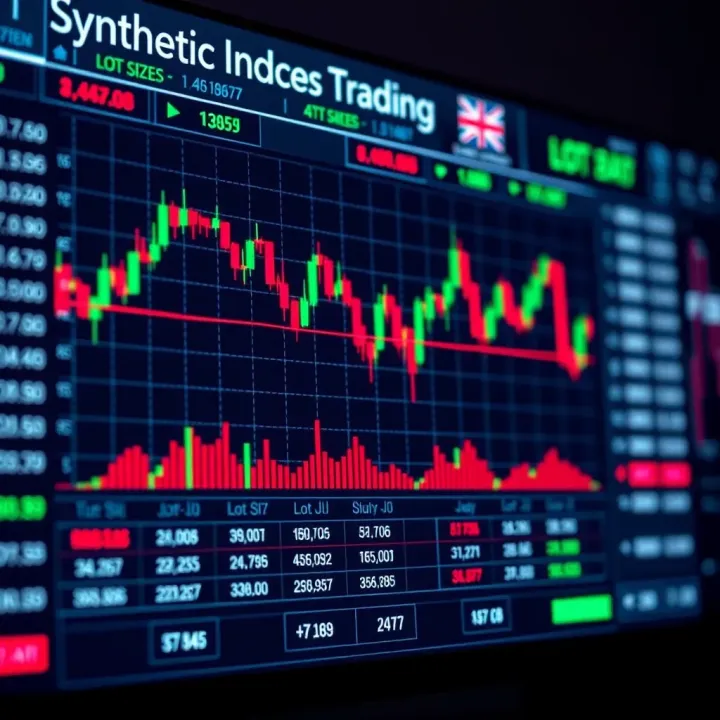
🔍 Get a clear grasp of synthetic indices and how lot sizes shape your trades. Learn strategies, manage risks, and access handy PDF guides here!
Master synthetic indices trading with practical tips on risk, analysis 📈, and avoiding pitfalls. Build strong plans and trade confidently today! 💡
Based on 14 reviews