

Rand to Dollar Exchange Rate Outlook
📈 Explore key factors shaping the Rand to Dollar exchange rate and get insights on economic trends and market shifts impacting South Africa’s forex scene.
Edited By
Henry Wilson
The exchange rate between the US dollar (USD) and the South African rand (ZAR) is a key barometer for traders, investors, and financial professionals in South Africa. Understanding the trends and forces behind the USD/ZAR rate helps businesses manage currency risks, informs investment choices, and guides budgeting for imports or exports.
Currency markets rarely move without cause. Economic data like South Africa's GDP growth, inflation, and interest rates from the South African Reserve Bank (SARB) directly affect the rand's strength. For example, a hike in SARB's repo rate usually supports the rand as it attracts foreign capital seeking higher returns.
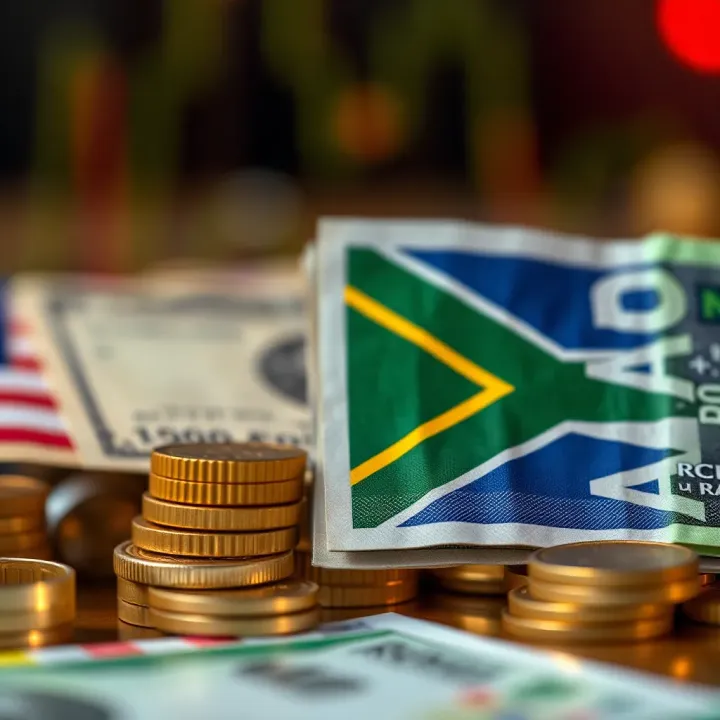
Global events also play a major role. The US Federal Reserve’s monetary policy decisions, shifts in commodity prices—especially gold and platinum—and geopolitical developments all influence demand for the rand. When commodity prices improve, South Africa typically sees the rand strengthen given the economy's commodity reliance.
Local factors such as political stability, fiscal discipline, and Eskom’s load-shedding schedule impact investor confidence too. Prolonged power cuts, for instance, undermine business sentiment and put pressure on the rand.
For anyone exposed to USD/ZAR fluctuations, tracking a blend of local economic reports and international news is essential to forecasting currency movements accurately.
Practical steps for managing currency exposure in this volatile environment include:
Using forward contracts to lock in exchange rates for future payments
Diversifying foreign-currency-denominated assets
Monitoring SARB and Fed announcements closely
This article breaks down the complex interplay of forces shaping USD/ZAR, aiming to empower South African market participants with actionable insights they can put to work right away.
Understanding the key factors that influence the dollar to rand exchange rate is essential for anyone involved in trading, investment, or financial advising in South Africa. The rand's value fluctuates because of both local economic signals and broader global conditions. By focusing on these drivers, you can make more informed decisions on timing currency trades or managing exposure.
Inflation directly affects the purchasing power of the rand. When inflation rises faster than expected, the rand tends to weaken because import costs increase and domestic prices spiral. The South African Reserve Bank (SARB) often responds to rising inflation by adjusting interest rates to keep it in check. Higher interest rates attract foreign capital looking for better returns, which can strengthen the rand briefly. For instance, a recent uptick in inflation led SARB to hike rates to 7%, causing the rand to gain slightly against the dollar for a short period.
Gross Domestic Product (GDP) growth signals the economy’s health. Solid growth usually encourages investment in the rand. Conversely, disappointing GDP figures or rising unemployment dampen confidence, leading to rand weakness. The high unemployment rate in South Africa—above 30% according to Stats SA—has often weighed on the rand, as investors worry about reduced consumer spending and political pressure.
South Africa’s current account balance shows the difference between exports and imports. A surplus means more foreign currency flowing in, supporting the rand, while a deficit puts downward pressure. Because South Africa exports commodities like platinum and gold, their prices directly impact the trade balance. When commodity prices fall, export receipts drop, widening deficits and weakening the rand.
SARB's monetary policy plays a big role in forex markets. Aside from setting interest rates, SARB manages inflation targets and can intervene if currency volatility threatens economic stability. Its communication is closely watched by traders. For example, any signal that SARB will tighten policy sooner than expected can boost the rand, while hints of delay or easing can have the opposite effect.
The rand is heavily influenced by movements in the US dollar, especially because South Africa does a lot of trade with the US and global commodities are priced in dollars. When the US economy is strong and the Federal Reserve raises interest rates, the dollar often strengthens. This puts pressure on emerging-market currencies like the rand. On the other hand, a softer US economy or rate cuts by the Fed usually weaken the dollar against the rand.
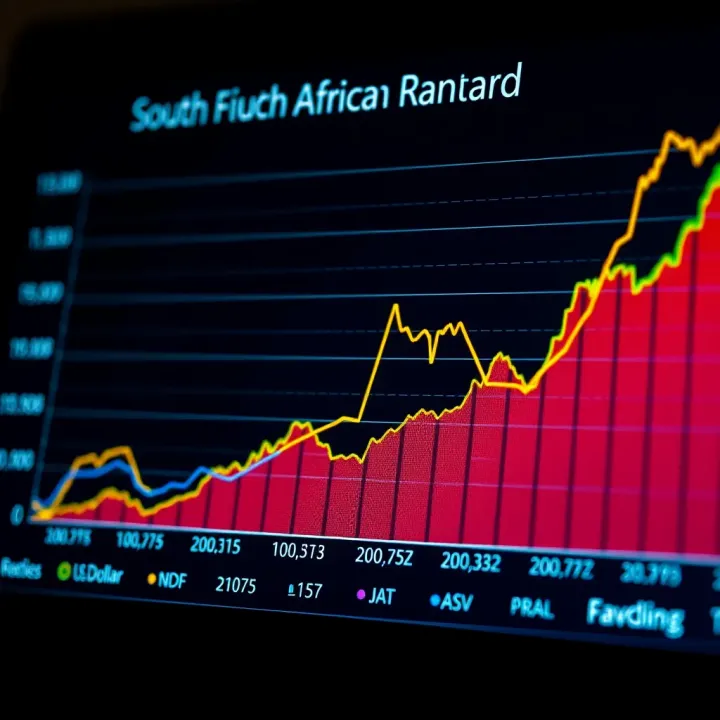
South Africa depends on commodities such as gold, platinum, and coal; prices of these items affect the rand's strength. For example, a rise in platinum prices boosts export revenue and supports the rand. Alternatively, falling commodity prices reduce foreign currency inflows, pushing the rand down. The rand often moves in step with the health of these global markets.
Political uncertainty or global conflicts can rattle markets and spur flight-to-safety trades into the US dollar, weakening the rand. For instance, tensions in the Middle East or trade disputes between China and the US can send rand investors into a holding pattern. In contrast, periods of global calm and investor confidence tend to benefit riskier assets like the rand.
Keeping a close eye on both local economic data and international developments is key for predicting rand movements. These factors are not isolated; they interact continuously to shift the exchange rate.
By grasping these indicators and global influences, traders and financial professionals can better anticipate changes in the USD/ZAR rate and plan accordingly.
Understanding recent trends alongside historical context is vital when analysing the dollar to rand exchange rate. The rand’s behaviour often reflects South Africa’s economic health and global market shifts, and recognising past patterns helps traders and analysts anticipate potential movements. Recent trends provide clues about the immediate market sentiment, while historical context offers lessons from analogous situations in the past. Together, they form a fuller picture for making informed currency decisions.
Past Major Swings and Their Causes
The rand has experienced marked fluctuations over decades, often tied to political events and economic shocks. For instance, the rand weakened sharply during the 2015 credit rating downgrades by Moody’s and Standard & Poor’s, which reflected doubts about South Africa’s financial stability. Similarly, in 2008, the global financial crisis triggered a severe depreciation as investors fled emerging markets, including South Africa. These swings show how both domestic developments like ratings and global disruptions impact the rand’s value.
These episodes matter because they highlight triggers that can cause sudden rand movement, such as policy shifts, changes in creditworthiness, or investor sentiment turning sour. For traders, understanding these events aids in risk management and timing. For example, keeping an eye on rating agency announcements remains crucial due to their proven influence.
Lessons from Previous Economic Crises
Economic crises tend to reveal vulnerabilities and resilience in the rand’s behaviour. During the 1998 emerging markets crisis, South Africa faced capital outflows that drove the rand down drastically. The lesson here is the sensitivity of the currency to global risk appetite and capital mobility. More recently, the 2020 Covid-19 pandemic exposed how health crises can cause swift investor flight, leading to rand instability.
These crises teach investors about the rand’s vulnerability to shocks beyond pure economic fundamentals, including geopolitical risks and sudden capital shifts. For strategic planning, especially for hedging or long-term exposure, recognising these factors is essential. It also explains why diversification and contingency planning matter, given the rand’s sometimes erratic nature during turmoil.
Effects of Loadshedding and Domestic Challenges
Loadshedding remains a thorn in South African economic flesh, affecting investor confidence and rand stability. Frequent power cuts reduce GDP growth prospects and disrupt industries, which can spook forex markets. For example, spikes in loadshedding schedules in 2023 correlated with temporary rand weakness, as traders factored in the economic slowdown.
Such disruptions also burden companies reliant on electricity for production and services, pushing up operational costs. From a currency perspective, these challenges discourage foreign direct investment, tipping the scales towards a weaker rand. Keeping an eye on Eskom’s load shedding stages can therefore provide clues on short- to medium-term currency movements.
Impact of Political Developments in South Africa
Political developments continue to play a significant role in the rand’s trajectory. Events like elections, policy announcements, or scandals trigger market reassessment. For instance, the uncertainty around cabinet reshuffles or policy direction can prompt rand volatility as investors digest potential economic impacts.
Political risk remains a key driver of forex market sentiment, which means traders need to follow developments closely. Even rumours can cause fluctuations. For analysts and financial advisors, factoring in political climate alongside economic data provides a more grounded forecast. The message is clear: politics and economics in South Africa are intertwined forces shaping the dollar-rand rate.
Monitoring the interplay of recent trends and historical context offers practical insight — it helps spot potential turning points and better manage risks in the often-volatile rand market.
Expert forecasts play a vital role for traders, investors, and financial advisors looking to anticipate movements in the dollar to rand exchange rate. Their analysis draws on complex economic data, geopolitical events, and market sentiment to provide a grounded outlook on future currency behaviour. For decision makers, tapping into these forecasts helps in planning hedging strategies, budgeting international transactions, and managing risk exposure.
This section highlights insights from South African and international experts, providing a well-rounded picture of expectations around the USD/ZAR rate. It also examines key factors that can influence these predictions, making it easier to understand why forecasts might shift over time.
Local banks such as Standard Bank, FNB, and Absa publish currency forecasts based on domestic economic data, including inflation trends, the South African Reserve Bank’s (SARB) interest rate decisions, and the country’s fiscal health. They typically consider how local challenges like loadshedding and political uncertainty may affect investor confidence, causing the rand to weaken or strengthen against the dollar.
For example, following a SARB rate hike to counter inflation, South African banks might project a strengthening rand due to potentially higher returns on local assets. This helps businesses dealing with dollar payments anticipate whether they should hedge now or wait for a better rate.
Global institutions such as the International Monetary Fund (IMF) and major investment firms provide a broader perspective by factoring in US economic policies, Federal Reserve interest rate shifts, and global commodity price trends. Since South Africa is a key commodity exporter, shifts in the price of gold or platinum can sway their analysis.
These international forecasts help South African firms understand how external forces—like rising US interest rates or geopolitical crises—might affect the USD/ZAR exchange rate. For example, if the Fed signals an unexpected rate cut, global risk appetite might improve, strengthening emerging market currencies like the rand.
Changes in either South African or US monetary and fiscal policy can quickly alter expert predictions. In South Africa, a surprise SARB policy adjustment or a shift in government fiscal discipline can impact inflation expectations, influencing the rand’s outlook.
Similarly, US policy changes such as unexpected Federal Reserve interest rate hikes or shifts in trade tariffs can cause sudden volatility. Investors should monitor policy announcements closely, as forecasts can swiftly adjust following these developments.
Staying alert to policy updates is key. Even seasoned analysts update their views as new information emerges, reflecting how sensitive exchange rate forecasts are to policy moves.
The pace of economic recovery in both South Africa and the US directly shapes currency forecasts. If South Africa’s GDP growth accelerates and unemployment improves, the rand may strengthen as investor confidence grows.
Conversely, signs of a slowdown—whether triggered by global recession fears, commodity price drops, or domestic issues like energy shortages—prompt downgrades in projections. This dynamic means that currency forecasts need constant revision to remain relevant, particularly in a volatile global economic environment.
In summary, expert forecasts offer practical guidance for managing currency exposure, but they must be viewed in light of shifting policies and economic conditions. Paying attention to these nuances is crucial for making informed financial decisions linked to the dollar to rand exchange rate.
Managing currency exposure is vital for both businesses and individuals dealing with US dollar payments or planning overseas spending. Fluctuations in the dollar to rand exchange rate can significantly impact costs, profitability, and budgeting. Understanding practical ways to mitigate risks and optimise transactions helps maintain financial stability and avoid nasty surprises.
Hedging Strategies
Hedging provides a way for businesses to lock in exchange rates in advance, reducing the uncertainty linked to currency swings. For example, an importer who must pay a supplier in dollars in three months can enter into a forward contract with their bank to fix the exchange rate today. This shields them from rand depreciation, which would otherwise raise their costs.
Options and futures contracts are alternative hedging tools that companies use, allowing them to participate in favourable rate moves while capping their downside risk. South African firms, especially those in retail or manufacturing, benefit significantly by incorporating hedging into their Treasury operations to protect margins.
Cost Management During Exchange Rate Fluctuations
Aside from hedging, businesses can manage costs through operational adjustments. For instance, diversifying suppliers across different countries or choosing rand-denominated contracts when possible reduces dollar exposure.
Companies might also time bulk purchases when forecasts signal a relatively strong rand. Another approach involves pricing strategies that absorb some currency risk but pass part of the cost to customers gradually, preventing sudden price spikes harming sales.
Timing Overseas Purchases
For individuals, timing plays a key role in managing currency exposure. Booking foreign flights, accommodation, or online shopping when the rand is relatively strong can save noticeable amounts. For instance, committing early to holidays when the dollar is weaker against the rand often stretches your travel budget further.
While it's challenging to predict exact movements, monitoring economic updates—such as SARB interest rate decisions or US Federal Reserve actions—gives useful clues about currency trends. Planning purchases around these signals can be savvy.
Using Forex Services Efficiently
Consumers should compare rates and fees across different forex providers to get the best deal. Banks may offer competitive rates for large amounts, but online platforms like Bidvest Bank or specialised forex dealers could give better rates for smaller transactions.
Using prepaid travel cards or securing rand-denominated pricing on international sites where possible can also reduce conversion costs. Always be mindful of hidden charges like commission or unfavourable margins in paypoint forex transactions at airports or malls.
Managing currency exposure isn't about eliminating all risk; it's about making informed choices that keep your financial footing steady despite the rand's ups and downs.
📈 Explore key factors shaping the Rand to Dollar exchange rate and get insights on economic trends and market shifts impacting South Africa’s forex scene.

📉 Get insights into the NZD to ZAR exchange rate trends, market drivers, and economic factors shaping currency movements for smarter trading and investment decisions.

Get up to speed on the dirham to rand exchange rate 🇦🇪🇿🇦 Discover key market trends, economic influences, and what to expect for trade, travel, and forex decisions.

📉 Get clear insights on the euro to dollar exchange rate, covering economic drivers, monetary policies, plus how global events shape forex trends for smarter decisions.
Based on 13 reviews