

Solana (SOL) Price Forecast and Market Insights
📊 Explore Solana (SOL) price trends, tech features, expert insights, and risks to help South African investors understand SOL’s future market moves.
Edited By
Isabella Reed
Gold price prediction remains a hot topic among traders, investors, and financial advisors in South Africa. Its value doesn't just depend on simple supply and demand — a mix of economic, political, and market forces all play a part. Understanding these factors can give you an edge whether you’re hedging your portfolio, advising clients, or looking to invest directly in gold.

Several concrete elements shape today's gold price forecasts. For starters, global inflation concerns often push prices higher as investors seek a safe haven against currency depreciation. In South Africa, the rand’s strength against the US dollar also has a major impact. When the rand weakens, local gold prices usually rise, which can boost returns for domestic investors.
Economic indicators such as US Federal Reserve interest rate decisions, employment reports, and manufacturing data affect global gold demand. Higher rates tend to push prices down since fixed-income assets become more attractive, whereas uncertainty about growth or geopolitical tensions generally buoy gold’s appeal.
Local events like mining strikes or regulatory changes can disrupt supply chains and influence gold prices on the JSE (Johannesburg Stock Exchange). Plus, Eskom’s loadshedding puts pressure on industrial output, sometimes affecting mining operations. Investors should watch these developments closely.
Analysts use a blend of technical analysis alongside fundamental data to predict gold price movements. Technical tools track past price trends and volumes, spotting support and resistance levels that hint at future shifts. Fundamental analysis digs deeper, factoring in macroeconomic data, global politics, and central bank policies.
Gold price prediction is never an exact science. It involves balancing multiple signals to manage risk effectively.
If you’re considering buying gold jewellery, coins, or investing via ETFs or mining shares, keep in mind that prices may fluctuate with currency swings and international trends. For brokers and financial advisers, staying updated on the rand/dollar interplay and geopolitical news provides clients with timely, actionable advice.
Understanding the cocktail of influences on gold prices today helps you make informed decisions rather than reacting to headlines alone. With careful analysis, you can better navigate South Africa’s unique position in the global gold market.
Understanding the current factors shaping gold prices is essential for anyone dealing with gold, whether as an investor or buyer. These factors influence market shifts daily and determine the value of gold in the short and long term.
Inflation affects gold prices directly. When inflation climbs, the value of paper money drops, pushing investors towards gold as a store of value. For example, recent rises in global inflation rates saw an increased demand for gold. Interest rates link closely to this: higher rates tend to encourage investors to favour interest-bearing assets over gold, which doesn’t yield income. South African Reserve Bank’s adjustments to repo rates often reflect in how local investors approach gold.
Gold trades globally in US dollars, so the strength of the dollar impacts how affordable gold feels for buyers using other currencies. When the dollar strengthens, gold usually gets pricier in other currencies, dampening demand. In South Africa, the rand’s swings make a big difference too. A weaker rand pushes gold prices higher locally because importing gold or valuing exports becomes costlier. Recently, rand volatility caused by political uncertainty has added an extra layer to gold price changes.
Investors turn to gold when markets get shaky, be it due to economic fears or global crises. This rise in demand acts like a safety blanket. For instance, during times of geopolitical tension or unexpected crises such as the Covid-19 pandemic, demand for gold surged as investors sought shelter from stock market volatility. This form of demand can drive prices sharply upward for weeks or months.
Political unrest in any part of the world can rattle investor confidence. In such times, gold often becomes the go-to asset. For South African investors, unrest in local or regional areas, like strikes in the mining sector or political protests, can push gold prices higher as certainty takes a knock. On a global scale, conflicts like the Russia-Ukraine war have caused significant fluctuations in gold pricing.
Changes in trade policies or sanctions can disrupt supply chains and impact commodity prices, gold included. For example, sanctions on major gold producers or trade partners can limit supply or shift demand patterns. South Africa’s trade relations, especially with China and India—big gold consumers—play into this dynamic. Trade negotiations that ease tensions typically reduce the urgency for safe assets like gold.
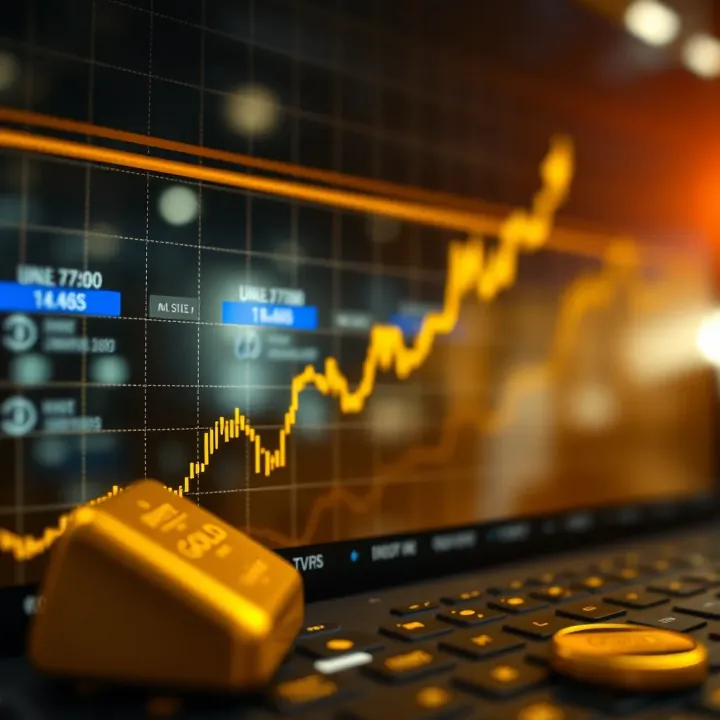
Gold doesn’t exist in isolation. Its price can be swayed by shifts in other commodity markets such as oil or base metals. For instance, a spike in oil prices raises production costs for mining companies, potentially limiting gold supply and pushing prices up. During the times when commodity markets are turbulent, gold often sees increased speculative interest.
The quantity of gold mined influences price stability. South Africa, once the world's top producer, has seen a decline in output because of labour issues and rising costs. Less local supply can put upward pressure on prices, especially if global output from countries like China or Russia fluctuates. Mining disruptions anywhere tend to tighten supply, nudging prices higher.
Jewellery remains a substantial part of gold demand globally, especially in India and China. Although South Africa is not a massive jewellery market, consumer demand here still matters. Industrial uses of gold—like in electronics—add another layer. Changes in consumer tastes or economic conditions that boost or reduce demand for such uses will ripple in gold prices.
Central banks act as big players, buying or selling large gold quantities as part of their reserves. When they increase holdings, it signals confidence in gold as a store of value, often driving prices up. South African Reserve Bank’s policies and moves from leading global banks in countries like Russia and China significantly influence price trends.
For anyone analysing gold price movements, keeping an eye on these current factors offers vital clues to where prices may be heading next, enabling better-informed decisions whether you are investing, trading, or buying physical gold.
Understanding how gold prices are forecast is valuable for investors and traders alike, especially in volatile markets like South Africa’s. Various methods shed light on the likely direction of gold’s price, blending historical data, economic indicators, and expert insights. Each approach brings unique benefits, helping you make informed decisions whether you’re buying physical gold or trading on commodity markets.
Chart patterns and price trends provide a visual narrative of gold's historical price behaviour. Traders routinely watch for formations like head and shoulders, double tops, or flags, which hint at potential reversals or continuations in price movement. For example, a head and shoulders pattern forming on a monthly gold price chart could signal a coming downtrend, nudging investors to reconsider buying decisions.
Price trends reveal the broader market mood—whether gold has been climbing steadily, or volatile swings dominate. In South Africa, where global events quickly ripple through local markets due to rand volatility, spotting these trends early can guard against rash trades.
Moving averages and momentum indicators smooth out price data to highlight trends and market strength. A 50-day moving average crossing above the 200-day moving average—a so-called "golden cross"—often signals a bullish phase, attracting buying interest. Conversely, momentum indicators like the Relative Strength Index (RSI) show if gold is overbought or oversold, helping traders decide if prices might soon correct.
Using these tools in tandem helps filter noise from short-term fluctuations, offering a clearer view of gold’s likely movements. For South African investors, this is especially helpful when exchanges see sudden shifts due to local events like Eskom’s loadshedding or changes in the rand.
Economic data and policy reviews take into account larger forces shaping gold prices. Inflation stats, interest rate decisions by central banks like the US Federal Reserve or South Africa’s Reserve Bank, and fiscal policies all influence demand for gold as a hedge or safe asset. For instance, rising inflation in South Africa tends to boost local demand for gold, as people look to shield wealth from eroding rand value.
Policy reviews also cover trade tariffs or sanctions that might disrupt global gold supply chains. Understanding these factors allows investors to anticipate shifts beyond just market charts.
Market sentiment and investor behaviour paint a picture of how traders collectively perceive risk. Periods of geopolitical tension or stock market jitters often see spikes in gold prices, driven by a rush into safe havens. Monitoring sentiment indicators—such as futures market positions or fund flows into gold ETFs—reveals whether the crowd is jittery or confident, helping identify potential price swings.
Predictions from financial institutions carry weight due to their access to extensive data and analysts. Banks and commodity-focused firms regularly issue gold price ranges based on macroeconomic trends and proprietary models. South African investors watch these closely, especially reports from local banks with knowledge of rand dynamics and mining output.
Impact of reports from commodity analysts complements institutional forecasts by offering nuanced takes on supply-demand imbalances, mining sector challenges, or central bank reserve activities. For instance, a report indicating reduced gold exports from South African mines due to power outages can signal upward price pressure.
Combining technical and fundamental approaches, along with expert perspectives, offers a more rounded view of gold’s likely path. Keeping an eye on these methods equips you to navigate price shifts with greater confidence and less guesswork.
By understanding these prediction methods, you’re better placed to interpret gold price signals and tailor your strategy to South Africa’s unique market conditions.
Gold price trends and projections are particularly relevant in South Africa, given its role as one of the world's top gold producers and its domestic economic factors. Tracking these trends helps investors, miners, and consumers understand where the market stands and where it might head. Concrete examples, like how loadshedding affects mining output or how rand fluctuations impact buying power, make these projections vital for practical decision-making.
Short-term fluctuations in gold prices can be quite volatile. These swings often respond to global market jitters, such as sudden moves in US interest rates or geopolitical tensions. For South African investors, recognising these quick ups and downs allows more informed trading – buying dips at bargain prices or locking in profits when prices peak.
Looking back, comparison with past years reveals valuable context. For instance, gold prices saw notable rises during the global financial crisis and again amid the Covid-19 pandemic. Comparisons show patterns tied to economic uncertainty, confirming gold’s role as a safe haven. Knowing this helps South African buyers prepare for similar conditions in the future.
The ongoing Eskom loadshedding disrupts mining operations, impacting gold production volumes and, ultimately, supply. Mines forced to halt during power outages may produce less gold, pushing prices higher domestically. This intersection of energy issues and mining performance influences local market dynamics more directly than global factors.
Rand volatility and inflation rates also play significant roles. A weaker rand makes imported goods – including mining equipment – more expensive and can push up production costs. Inflation erodes purchasing power, so gold’s status as a store of value becomes more attractive. Investors watch these closely as they can anticipate price adjustments and hedge accordingly.
Additionally, regulations and taxation surrounding gold trading affect market behaviour. South Africa’s tax policies on mineral royalties and capital gains can influence mining profitability and investor returns. Strict regulatory frameworks might deter speculative trading but also protect local interests. Buyers and sellers must remain alert to changes in legislation to avoid surprises.
Experts estimate the predicted range for gold prices in South Africa within certain bands, often reflecting the rand’s anticipated movement against the US dollar, global inflation expectations, and geopolitical risks. Staying within this forecast range helps investors set strategies that match their risk appetite and capital constraints.
However, risks that could shift the outlook include unexpected political shifts, further energy crises, or global economic shocks like interest rate hikes or currency crises. These variables are hard to predict but have historical precedents signalling their potential to upend forecasts.
For those looking at investment opportunities and timing, the advice is to keep a close eye on these forecasts and local developments. Buying during periods of rand strength or after loadshedding reductions can mean better entry points. Likewise, watching for signals that inflation is peaking or geopolitical tensions easing might signal the time to sell or hold.
Staying informed on gold price trends in South Africa is not just about watching numbers, but understanding the unique blend of global and local factors at play. This nuanced approach can safeguard your money and sharpen your investment moves.
Understanding how gold prices shift is vital for anyone thinking of investing in gold or making purchases. Gold isn't just a shiny metal; it reflects global economic moves, local conditions, and political changes that directly affect its value. By grasping these influences, you can make smarter decisions about when to buy or sell, and where to put your money for the best return.
Physical gold offers a tangible asset that many trust during volatile times. Its worth isn't tied to company profits or interest rates, which provides a hedge against inflation and currency depreciation. For example, South Africans concerned about rand weakness often turn to gold bars or coins as a store of value. However, owning physical gold comes with downsides. Storage and insurance costs add up, and selling it typically includes premiums and transaction fees, which can cut into profits.
For those looking beyond bullion, gold Exchange-Traded Funds (ETFs) and mining shares present practical alternatives. ETFs, like those listed on the JSE, track the gold price without the hassle of physical storage, offering liquidity and ease of trade. Mining stocks, meanwhile, introduce company-specific risks and rewards linked to operational success and commodity cycles. Investing in these shares can yield dividends, but investors must monitor mining sector conditions closely, particularly considering local factors like Eskom loadshedding's effect on production.
Sourcing gold from reliable dealers is crucial to prevent overpaying or falling victim to fraud. Established bullion dealers and registered jewellers in major centres such as Johannesburg and Cape Town offer comparatively transparent pricing aligned with the international gold price plus a fixed margin. Avoid street vendors or unlicensed sellers, as their pricing often lacks transparency, and authenticity can be questionable.
Predicted price changes influence when buyers choose to enter the market. If forecasts suggest rising prices due to global uncertainty or local currency weakness, buying now could lock in a lower price. Conversely, if prices are expected to dip amid improved economic outlooks, waiting might be wiser. For instance, South African consumers planning to buy wedding jewellery might delay purchases if analysts predict a short-term decline in gold prices.
Sharp investors keep an eye on signals that precede price shifts. These include moves in the rand versus the US dollar, changes in interest rates set by the South African Reserve Bank, or major geopolitical events like trade disputes. Technical indicators such as gold crossing moving averages or volume spikes offer clues too. Watching these signs helps you avoid buying at a peak or selling in a slump.
Balancing risk and opportunity means not waiting indefinitely for the "perfect" moment. Gold's price can be unpredictable, influenced by factors beyond immediate control—like sudden Eskom load shedding spikes disrupting mining. A measured approach involves setting clear entry and exit points based on your investment horizon and risk tolerance. For example, a long-term investor might accept short-term fluctuations, while a trader could take quick profits when a technical pattern breaks.
A well-informed investor combines global awareness with local realities to optimise gold investment decisions in South Africa.
This practical understanding helps you navigate gold's ups and downs with confidence. Whether you hold physical gold, ETFs, or mining shares, timing and source selection remain key to safeguarding and growing your assets.
📊 Explore Solana (SOL) price trends, tech features, expert insights, and risks to help South African investors understand SOL’s future market moves.
📈 Explore bitcoin price trends, risks, and analysis tailored for South African investors. Learn practical tips to navigate bitcoin volatility and make informed decisions. ₿
📈 Explore Pi Network price predictions, tech insights, market trends, and expert views. Understand risks & opportunities for South African investors. 🌍
🚀 Learn how to buy SafeMoon in South Africa with step-by-step tips, wallet choices, costs in R, and a focus on staying safe from scams while investing in crypto.
Based on 6 reviews