

Platform Trading Guide for South African Traders
📊 Explore platform trading in South Africa: tools, types, and tips to choose the right platform, navigate regulations, and stay ahead with local insights.
Edited By
Thomas Green
IQ Option has carved out a solid spot for itself among online trading platforms worldwide, and South African traders are no exception when it comes to turning to it for forex, stocks, cryptocurrencies, and options. Unlike the traditional stockbrokers you might be used to, IQ Option operates entirely online, allowing users to dive into financial markets without ever needing to leave their stoep.
The platform is designed to be user-friendly, catering to both beginners and experienced traders. It offers a range of instruments, from major forex pairs like USD/ZAR to popular stocks and even emerging cryptocurrencies such as Bitcoin and Ethereum. This variety means you can build a trading portfolio that suits your comfort level and market knowledge.
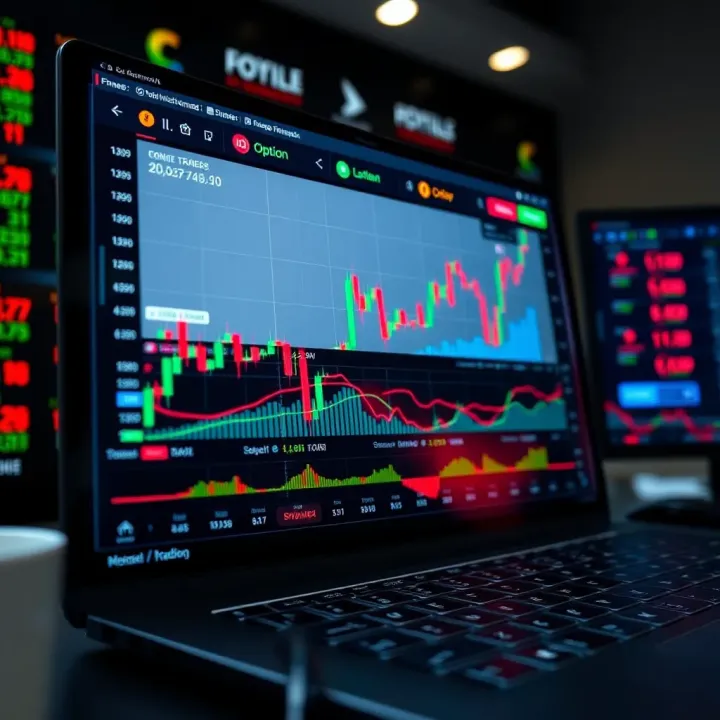
At its core, IQ Option lets you speculate on the price movements of an asset without owning it. For example, if you believe the price of Apple shares will rise, you can open a call option; if you think it will drop, a put option might be your choice. Trades are typically short-term, ranging from a few minutes to several hours, making it quite different from traditional investing.
The platform offers a demo account loaded with virtual R100,000, allowing you to test strategies without risking real cash. Once comfortable, you can fund your account via local payment options such as EFT or popular e-wallets, with the minimum deposit usually starting at around R350.
Important: Always keep risk management front of mind. Trading on IQ Option involves significant risk, and it's possible to lose your entire investment. Never trade money you can't afford to lose.
Regulation: IQ Option is an offshore platform and isn’t regulated by the Financial Sector Conduct Authority (FSCA) in South Africa. That means no local legal protection if things go south.
Payment methods: Deposits and withdrawals can be made through South African banks via EFT, but processing times might vary. Zimbabwean traders, for example, often report quicker turnaround using e-wallets.
Tax implications: Profits made from trading on IQ Option are subject to SARS regulations. Keeping detailed records of your trades helps when reporting income.
Loadshedding: Since trading is online, unpredictable power cuts can disrupt access. Having backup power solutions such as inverters or mobile data bundles ensures you can stay connected during key trading moments.
Understanding these factors helps you make an informed decision about whether IQ Option fits your trading goals. The platform offers great opportunity, but it comes with its quirks and risks, especially when viewed through the lens of South African realities.
Getting a solid grip on IQ Option is key for South African traders who want to navigate online trading confidently. This introduction lays the groundwork by explaining what the platform offers and the instruments you can trade. Knowing these basics helps you avoid costly mistakes and spot opportunities that suit your trading style.
IQ Option is an online trading platform designed for accessible, user-friendly investing. Unlike some platforms that bury you under complex menus, IQ Option’s dashboard is clean and intuitive, making it easy to place trades or analyse charts in a few clicks. For South Africans juggling busy schedules, this simplicity beats wasting time on complicated setups.
Beyond basic trading, IQ Option provides features like live charts, indicators, and a demo account to practise risk-free. The demo is particularly handy if you want to familiarise yourself with the market before risking real money.
Founded in 2013, IQ Option quickly spread internationally, now boasting more than 50 million registered users. Its global footprint means you can expect a platform refined through diverse market conditions and feedback. For traders in South Africa, this international reach means access to global markets alongside local convenience.
The platform’s growth also signals trust and reliability—factors you should weigh before committing your cash. It’s registered and licensed in several jurisdictions, underlining its commitment to regulatory compliance.
Trading forex (foreign exchange) is popular on IQ Option. It involves speculating on currency value changes, such as the South African rand (ZAR) versus the US dollar (USD). Forex trading suits those who watch global news carefully since political or economic events often sway currency prices.
Because forex markets operate 24/5, it fits traders with different schedules, including those working normal office hours in Johannesburg or Cape Town.
IQ Option lets you trade contracts based on shares of companies like Apple, Tesla, or large indices such as the JSE Top 40 index. Instead of owning the shares outright, you trade based on price movements, which can offer profit potential even when the market dips.
This feature lets you diversify your portfolio easily and tap into sectors of interest, from tech giants to local mining firms.
Digital currencies on IQ Option include Bitcoin, Ethereum, and others popular with South African traders. Crypto markets are known for their volatility, offering bigger swings but also higher risk.
Because of loadshedding and sporadic electricity issues, some locals prefer crypto trading as it’s accessible anytime from a mobile device, assuming you have stable internet.
IQ Option offers digital options, binary options, and Contracts for Difference (CFDs). Options let you trade with a fixed risk and potential return, while CFDs track asset price changes without owning the underlying asset.
For example, you could speculate on gold’s price rising or falling without buying a physical bar. These instruments require solid risk management and are better for traders familiar with market behaviour.
Understanding the variety of trading instruments on IQ Option helps you choose what suits your knowledge and appetite for risk, making your entry into trading more strategic and less guesswork.
Starting with IQ Option as a South African trader involves a few key steps tailored to local requirements and realities. This section walks through account setup, available account types, and the options for funding your trading journey. Each part matters because having a smooth start helps you focus on trading without unnecessary hurdles.
South African traders must navigate RICA (the Regulation of Interception of Communications and Provision of Communication-Related Information Act) and KYC (Know Your Customer) requirements during registration. RICA means you'll need to verify your identity with valid documents such as your ID book or passport, and proof of residence, aligning with legal obligations to prevent fraud and money laundering.
Setting up your profile goes beyond just filling in personal info. You’ll be asked to provide contact details, trading experience, and risk tolerance levels. The platform uses this to tailor your experience and offer features that match your trading style. For example, a newbie might be guided towards safer instruments, while seasoned traders get access to advanced options.
IQ Option offers a demo account to practice without risking real money. This is vital for South Africans new to online trading or testing strategies amid fluctuating markets. You can trade virtual funds on forex pairs, stocks, or cryptocurrencies, allowing you to get a feel for the platform’s dashboard and tools without pressure.
When you're ready to move on, real accounts require a minimum deposit of R150, which is quite accessible compared to other platforms. This low entry point means you don’t have to risk too much capital upfront. Just remember, trading is risky, so start small and only invest what you can afford to lose.
Several payment methods work well for South African traders, including local debit/credit cards from FNB, Absa, and Nedbank, as well as e-wallets like Skrill and Neteller. Telephonic top-ups and even cryptocurrency deposits are also options if you prefer alternate routes.
Using rand to fund your account means you'll face currency conversion fees when trading assets priced in other currencies, like USD or EUR. IQ Option transparently shows these costs, helping you plan. For example, converting R1,000 might incur a small fee, but knowing this upfront helps avoid surprises when withdrawing profits.
Taking care with registration, understanding account types, and choosing the right payment method makes your IQ Option journey in South Africa smoother and less stressful. This practical know-how lets you focus on trading smartly rather than worrying about red tape or payment hang-ups.
Getting a good grip on IQ Option’s features and tools is key for South African traders wanting to trade confidently and make informed decisions. These features aren't just flashy add-ons; they provide the real muscle behind your trading strategy. Whether you're tweaking charts or deciding on trade types, understanding how the platform works will help you avoid costly mistakes.
The IQ Option dashboard is designed to be intuitive, which is a huge help when you’re multitasking between markets. You’ll find your main trading window upfront, with options to customise your workspace—think chart sizes, watchlists, and trade history all within easy reach. For example, if you're monitoring the rand-dollar forex pair alongside bitcoin prices, you can arrange your dashboard to see both at a glance without the need to shuffle windows.
This flexibility speeds up decision-making, especially during volatile market swings when every second counts. It’s like having your trading desk set up just the way you like it—everything visible, nothing cluttered.
Charts are where the action happens, and IQ Option offers a solid range of chart types—candlestick, bar, line—to suit different styles. You can layer in technical indicators like moving averages, RSI (Relative Strength Index), and Bollinger Bands, which help spot potential entry and exit points.
Imagine you’re tracking gold prices amid fluctuating markets; applying a moving average can smooth out the noise and reveal upward or downward trends. Adding RSI gives you a sense if the market might be overbought or oversold, helping to time trades better. For South African traders, who often need to react fast to global and local economic news, these tools offer hands-on control to read the market rather than guess.
Digital options on IQ Option are straightforward: you predict whether an asset’s price will be above or below a certain strike price at expiry. The appeal lies in their fixed payouts and risk, which are clear before making the trade—a big plus if you prefer knowing your maximum loss upfront.
For example, if you expect the platinum price to rise based on mining reports, you can place a digital option betting on that price movement. It’s popular among beginners because it’s easier to plan your risk.
Binary options also revolve around a yes/no prediction, but usually with a shorter expiry and less choice on strike prices. IQ Option offers binary options mostly as an entry-level gateway, allowing new traders to try simple trades with small investments.
The flip side is limited potential profit and higher risk if the prediction misses. Many South African traders might find them useful for quick trades during market spikes but should use proper risk control to avoid blowing accounts.
Forex trading on IQ Option means dealing in currency pairs like ZAR/USD or EUR/ZAR, which can be much more volatile than stocks or cryptos. You’re often able to use leverage, letting you control larger positions with a smaller deposit—but this cuts both ways, as it can magnify losses.
For example, a trader expecting rand strength against the dollar after positive local economic data might open a leveraged position to increase potential gains. But they should set stop-loss orders to manage downside, especially because the rand can be prone to sudden jolts around events like SARB (South African Reserve Bank) interest rate announcements.
The IQ Option mobile app replicates much of the desktop experience, including placing trades, monitoring charts, and managing accounts. Its push notifications are handy for South African traders who need alerts outside office hours or when away from their desks.
For instance, getting a notification about a loaded news release affecting the platinum price can help you act promptly. The app also supports deposits and withdrawals, which keeps the whole process within one tool.
While the app’s convenience lets you trade on the move, it’s worth noting some advanced charting features and multi-screen views are limited compared to desktop. So, if you’re analysing complex market situations or juggling several assets, the smaller screen can feel cramped.
Still, for quick decisions and staying connected during travel or braais, the app is invaluable. Many South African traders appreciate that it works well even on moderate mobile data, which helps given the high cost of data locally.
Knowing how to tap into IQ Option’s range of tools and trade types is what separates a hopeful trader from a thoughtful one. This knowledge equips you to tackle markets realistically and with measured risk.
Navigating the intersection of risk management and regulatory compliance is essential for South African traders using platforms like IQ Option. Knowing the landscape helps not only to protect your capital but also ensures your trading activities align with the law, providing peace of mind and security in an uncertain market.
Volatility and leverage represent two key factors traders must keep an eye on. Volatility means price swings can be sharp and sudden — something not uncommon in markets like cryptocurrencies or smaller forex pairs. For instance, a rand/dollar pair might shift unexpectedly due to political news or economic data. Leveraging, on the other hand, allows you to trade with borrowed capital, potentially boosting gains but also magnifying losses. Using 10x leverage on a R1,000 trade means you’re controlling R10,000 worth of assets; while this can improve profits, it equally increases the risk of significant losses should the market turn against you.
To manage these risks, traders should set personal limits on leverage and watch for volatile trading times — such as after SARB announces interest rates or during Eskom loadshedding that can disrupt economic activity. Losing more than your initial investment is possible without proper safeguards.
Risk management techniques are your toolkit for keeping losses under control. Using stop-loss orders is one practical way: it sets a limit where your trade automatically closes to prevent further loss. Diversification also helps spread risk; instead of putting all your Rand into one crypto or forex pair, spreading investments across instruments like major forex pairs and South African stocks can soften the blow.
Additionally, consider position sizing carefully. Avoid risking more than 1–2% of your total trading capital on a single trade. This approach helps absorb inevitable market fluctuations and keeps your portfolio stable over time.
IQ Option holds licences from several international bodies, including the Cyprus Securities and Exchange Commission (CySEC). This licensing means it must comply with recognised standards aimed at protecting traders' funds and ensuring fair practices. However, IQ Option is not currently regulated by the Financial Sector Conduct Authority (FSCA) in South Africa, a factor South African traders should weigh in when selecting a platform.
The South African regulatory environment prioritises consumer protection, with FSCA overseeing local brokers and ensuring compliance with laws like the Financial Advisory and Intermediary Services (FAIS) Act. Traders in South Africa should check if their chosen platform meets FSCA requirements or use local brokerage firms to minimise regulatory risk.
Trading via unregulated or offshore platforms carries additional risks, including difficulties in dispute resolution and fund recovery. Being informed about the regulatory status safeguards your trading experience.
POPIA and data privacy considerations also come into play. The Protection of Personal Information Act (POPIA) ensures your personal and financial data is handled lawfully and securely. When registering with IQ Option, confirm how your data will be stored and whether it meets POPIA standards. South African traders should avoid platforms that do not provide transparent privacy policies, as mishandling of information could lead to identity theft or fraud.
📊 Explore platform trading in South Africa: tools, types, and tips to choose the right platform, navigate regulations, and stay ahead with local insights.
Explore option trading basics, strategies, market tips, and risks tailored for South African investors 🇿🇦. Make smarter investment choices today! 📈
🚀 Discover Eightcap's competition details for South African traders: how to enter, prizes up for grabs, plus insights on trading tactics and community benefits.
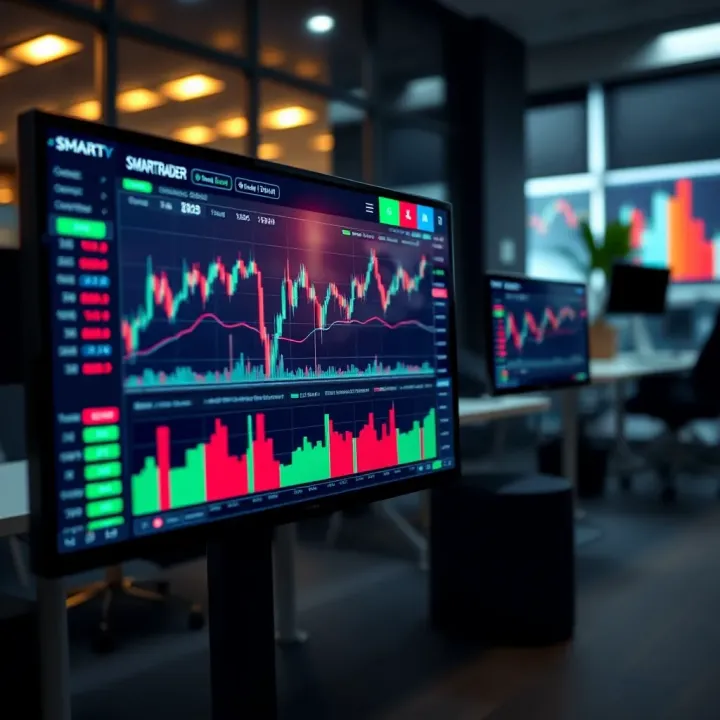
📊 Navigate SmartTrader with ease—discover features, risks, and tips for South African traders. Get insights on setup, strategies, and support! 🇿🇦
Based on 5 reviews