
Euro to Rand Forecast: Key Insights for South Africans
📉 Discover how euro to rand trends affect your wallet and biz. Learn what shapes rates, plus tips to navigate currency swings in South Africa's economy. 🇿🇦💶
Edited By
Charlotte Evans
The USD to ZAR exchange rate often serves as a key barometer for South Africa's economic health and investor confidence. Over the past few years, we've seen the rand's value swing sharply in response to global events, politics at home, and local economic shifts. Understanding these drivers is vital if you're trading currencies, advising clients, or managing business risk.
The rand's behaviour isn't random—it reflects a mix of international factors like USD strength, commodity prices, and geopolitical tensions, alongside local conditions such as inflation, interest rates, and Eskom’s ongoing loadshedding challenges. For example, a sudden spike in oil prices tends to send the rand weaker since South Africa imports most of its petrol, adding pressure to the trade balance.
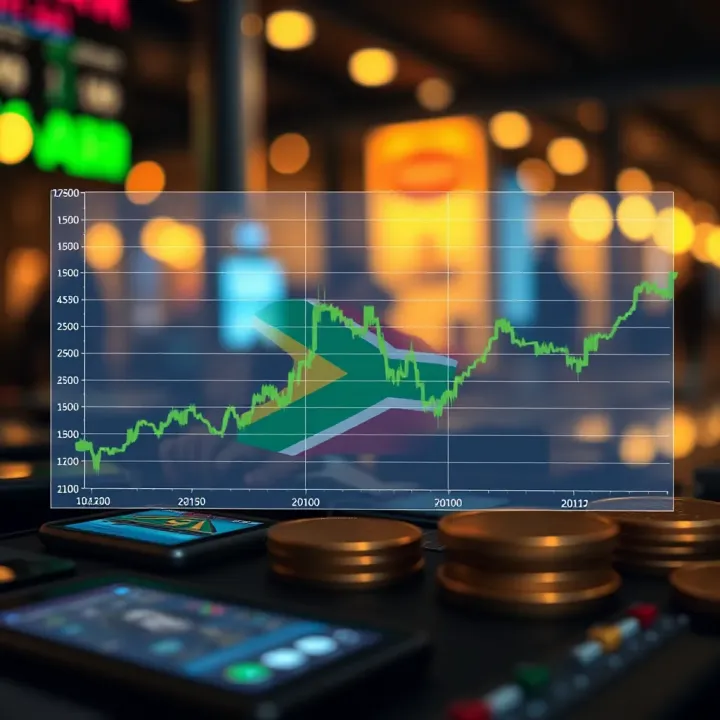
US Federal Reserve policy: Interest rate hikes in the US attract capital, which can strengthen the USD and weaken the ZAR.
South African Reserve Bank decisions: Any adjustments to repo rates affect local borrowing costs and can sway the rand’s appeal.
Commodity cycles: As a commodity exporter, South Africa’s terms of trade influence forex flows.
Political climate: Stability or turmoil can quickly impact market sentiment.
Keep in mind that the rand tends to react to short-term shocks but is ultimately shaped by longer-term economic fundamentals.
Looking forward, these factors will continue to intertwine. Traders and analysts should keep a close eye on global inflation trends, the US dollar's momentum, and domestic policy announcements. Monitoring Eskom’s load-shedding schedules also remains crucial since prolonged outages dampen economic output, potentially hurting the rand.
This article will unpack these elements in greater detail to help you make better sense of what’s likely to come next for the USD to ZAR exchange rate. Armed with this insight, you can better navigate currency risks whether you’re managing investments or planning business operations in South Africa.
Understanding the current state of the USD to ZAR exchange rate is fundamental for traders, investors, and financial advisors looking to gauge market conditions and plan accordingly. This rate reflects daily fluctuations and paints a picture of how the South African rand is performing against the US dollar, influencing import costs, export competitiveness, and foreign investment flows.
Over recent months, the USD/ZAR rate has displayed notable swings, often reacting sharply to developments both locally and internationally. For example, during periods of heightened Eskom loadshedding or political uncertainty in South Africa, the rand tends to weaken against the dollar. Conversely, when global commodity prices rise or US economic indicators show signs of strain, the rand can benefit.
The rand has seen a rollercoaster in recent times, dipping below R15 to the dollar at points but spiking above R18 during stress phases. These fluctuations are often triggered by a mix of domestic challenges and global shifts. For instance, between October and December 2023, the rand weakened in response to subdued GDP growth figures and renewed investor concerns about South Africa’s fiscal health. Meanwhile, rallying commodity prices provided occasional support as South Africa is a major exporter of metals.
South Africa’s economic signals greatly affect the rand’s performance. Key metrics such as GDP growth, unemployment figures, inflation, and interest rate decisions resonate loudly with the market. When GDP growth showed signs of stalling in Q4 2023, it heightened fears around business confidence and investment inflows, pushing the rand weaker. Similarly, persistent inflationary pressures have constrained monetary easing options for the South African Reserve Bank (SARB), which in turn influences the currency's attractiveness to investors.
This matters practically because if inflation remains high and interest rates stay elevated, the rand may struggle as borrowing costs rise for businesses and consumers, dampening economic recovery prospects.
The Federal Reserve’s policy moves constantly ripple through emerging markets like South Africa. When the Fed signals an interest rate hike, the US dollar tends to strengthen as global capital seeks higher yields in safer assets. Such shifts often cause the rand to weaken as foreign investors pull money out of South African assets.
For example, during the Fed’s aggressive rate hikes in 2023, the rand lost ground, hitting multi-year lows. However, any hints that the Fed might pause or reduce rate increases can ease pressure on the rand, attracting back foreign portfolio investment.
Broader sentiment plays a big role too. When global markets are jittery due to geopolitical tensions, energy price shocks, or China's economic slowdown, investors often retreat from riskier emerging market currencies like the ZAR to safer havens such as the US dollar.
This risk-off behaviour can drive rapid rand depreciation. On the other hand, periods of optimism—say, after South Africa signs a major trade deal or commodity demand picks up—can buoy the rand as investors chase higher returns.
Keeping an eye on these three drivers—the domestic economy, US policies, and global mood—offers a solid snapshot of why the USD/ZAR rate moves as it does, helping market participants make informed decisions.
Understanding the economic factors that influence the South African rand's value against the US dollar is vital for traders, investors, and financial advisors alike. These factors shape the currency's short- and long-term movements, offering clues on potential risks and opportunities. From domestic economic health indicators to US policy shifts, each plays a tangible role in the rand's strength.
GDP growth and unemployment are key indicators that influence confidence in the rand. For instance, South Africa’s economy has been grappling with sluggish GDP growth, estimated at around 1-2% annually in recent years. Concurrently, unemployment rates remain stubbornly high, hovering near 30%. Such conditions impact investor sentiment negatively, as weak growth paired with high unemployment signals underlying structural challenges. When GDP growth falters, capital inflows tend to slow, leading to rand depreciation.
Moving on to inflation and interest rates, these are crucial for currency valuation. South Africa's inflation has generally stayed within the SARB's target range of 3-6%, though occasional spikes have raised concerns. To combat inflationary pressures or stimulate the economy, the South African Reserve Bank (SARB) adjusts its repo rate. An interest rate hike tends to support the rand as it attracts foreign investment seeking higher yields. Conversely, rate cuts can weaken the currency but may boost economic activity if managed well.
One cannot overlook the effect of loadshedding on business and investment. Scheduled power outages disrupt production across sectors from manufacturing to retail, adding unpredictability and costs for businesses. Investors often steer clear when energy insecurity looms, which can put downward pressure on the rand. For example, during prolonged loadshedding stages, the rand has historically shown bouts of weakness as confidence dips and risk premiums increase.

South African traders must also monitor Federal Reserve interest rate decisions closely. The US Fed's shifts in policy rates often ripple globally, influencing capital flows. When the Fed increases rates to curb inflation, the USD tends to strengthen. This usually results in a weaker rand since investors may move funds to the US to capitalise on higher returns, reducing demand for emerging market currencies like the ZAR.
The inflation trends in the US matter significantly for the USD to ZAR rate. Persistent high inflation in the US can lead to aggressive rate hikes, tightening financial conditions worldwide. Conversely, if inflation eases, the Fed might pause or cut rates, allowing some relief for emerging currencies. South African exporters and importers should watch CPI updates closely, as these can signal upcoming market volatility.
Lastly, US trade policies and their impact have a definite influence. Tariffs, sanctions, or trade negotiations can reshape global supply chains and commodity prices, both relevant for South Africa's trade-dependent economy. For instance, increased US tariffs on certain commodities may depress demand, affecting rand-linked export revenues. Similarly, eased trade tensions can boost market confidence, potentially strengthening the rand against the dollar.
Tracking these economic factors on both sides of the Atlantic helps build a clearer picture of where the USD to ZAR exchange rate might head next. Staying alert to shifts in growth, inflation, interest rates, and policy changes can inform smarter trading and investment decisions.
South Africa’s GDP growth and unemployment figures signal domestic economic health, heavily influencing rand sentiment.
Inflation and SARB interest rate moves determine local borrowing costs, affecting currency attractiveness.
Loadshedding remains a practical hurdle that may erode investor confidence and depress the rand.
US Fed rate changes and inflation trends drive global capital flows, impacting the USD strength.
US trade policies shape global demand and commodity prices, indirectly affecting the rand’s value.
Being aware of these factors equips you to anticipate how the rand might perform, aiding in risk management and strategic positioning in currency markets.
Evaluating geopolitical and global issues is vital when forecasting the USD to ZAR exchange rate. These factors can prompt sudden shifts in investor sentiment and influence currency volatility. For traders and investors, understanding how these bigger-picture elements translate into local currency movements allows for better risk management and more informed decision-making.
South Africa’s rand often mirrors the fortunes of its mining industry, a key driver of export earnings. When commodity prices for gold, platinum, or diamonds rise, foreign buyers pay more in dollars, boosting demand for rand as exporters convert proceeds. For example, a surge in platinum prices due to supply constraints typically strengthens the rand. On the flip side, a slump in commodity markets reduces export revenues, weighing down the rand's value against the USD.
For investors, tracking global commodity trends gives early signals on potential rand movements. Companies with exposure to mining exports may find their rand receipts more valuable or vulnerable depending on these commodity price swings.
South Africa is a net importer of oil, so rising global petrol prices inflate costs for businesses and consumers alike. When oil prices climb, it often weakens the rand because more foreign currency is needed to pay for fuel imports, increasing the current account deficit. This effect was clear during past oil price shocks when the rand sold off against the dollar.
Besides import costs, energy expenses influence inflation and interest rate expectations, which in turn affect the rand. Higher petrol costs tend to fuel inflation, leading the South African Reserve Bank (SARB) to consider rate hikes, supporting the rand. Hence, oil price movements play a complex role but remain a key global risk factor for the currency outlook.
Political stability matters a great deal for currency strength. Investors favour predictability, so clear government reforms that promote fiscal discipline, anti-corruption efforts, or ease of doing business can improve confidence in the rand. For instance, announcements of improved state-owned enterprise (SOE) management or a successful turnaround of Eskom have previously alleviated rand selling pressure.
Conversely, political uncertainty or delays in critical reforms tend to spark rand weakness as foreign investors withdraw capital or adopt a cautious stance. This dynamic means that every policy shift, election result, or major political development can have an outsized impact on the currency.
Broad-Based Black Economic Empowerment (B-BBEE) policies aim to address historic inequalities but also affect foreign and domestic investment sentiment. Overly stringent or unpredictable B-BBEE enforcement might deter some international businesses wary of compliance risks or costs, potentially dampening rand demand.
At the same time, South Africa’s trade relations, especially with key partners like China, the EU, and the US, shape export volumes and investor interest. Trade agreements or tensions directly influence the rand, as changes in export competitiveness or tariffs alter the inflow of foreign currency.
Economic and diplomatic ties with the US weigh on the rand due to the USD’s global reserve status. Strong bilateral relations often facilitate investment and trade, which supports the rand. Any strains—such as tariff disputes or disagreements on global issues—can reduce investor appetite for rand assets.
Moreover, US monetary policy decisions ripple into emerging markets including South Africa. A tightening cycle in the US Federal Reserve can draw capital away from the rand in favour of higher-yielding USD assets, thus weakening the local currency.
Global tensions—be it conflicts, sanctions, or trade wars—tend to heighten risk aversion. Investors frequently seek safe havens like the US dollar, leading to outflows from emerging markets including South Africa. For example, heightening tensions in Eastern Europe or between major powers typically result in rand weakness as capital flight occurs.
That said, emerging markets also respond differently based on their internal resilience and export profiles. Knowing these nuances helps investors anticipate currency swings related to broader geopolitical risks.
Understanding these geopolitical and global influences allows traders and analysts to anticipate currency moves beyond typical economic indicators. It highlights why the rand's value can shift quickly in response to factors outside South Africa’s borders, reinforcing the need for vigilance and adaptable strategies.
Understanding the short- and medium-term forecast for the USD to ZAR exchange rate is vital for anyone involved in trading, investing, or advising on financial matters in South Africa. This forecast paints a picture of what the rand might do over the next six to twelve months, enabling better planning around imports, exports, investment flows, and risk management. Given the volatility South Africa’s currency has experienced, this insight helps businesses and investors avoid nasty surprises and seize opportunities when they arise.
Market analysts typically weigh factors such as South Africa’s economic growth, inflation outlook, and political events alongside global forces like US Federal Reserve policies and commodity trends to form their predictions. Currently, the consensus suggests a relatively cautious holding pattern with modest rand weakness against the dollar, hovering around R18 to R19 to the USD over the next year. This view accounts for expected continued pressure from US interest rates remaining elevated, which tends to attract capital away from emerging markets like South Africa.
For example, a local exporter budgeting for USD receipts will want to hedge the exchange rate in case the rand remains weak, impacting their revenue when converted back to rands. Meanwhile, investors eyeing rand-denominated assets watch these forecasts closely to time their entries and exits.
Volatility in the USD/ZAR rate often spikes when unexpected events occur. Analysts flag a few triggers for the coming months: a sudden shift in US Federal Reserve policy, renewed loadshedding intensity, or shoot-ups in global commodity prices that could swing investor sentiment either way. For instance, an unexpected cut or pause in US interest rate hikes could brighten prospects for the rand as capital might flow back into South Africa.
Similarly, worsening power disruptions could spook investors, prompting rand sell-offs. Traders need to watch these triggers since they can create short-term swings that either erode gains or offer quick profit chances.
South Africa’s local elections often inject uncertainty into the financial markets. Political outcomes may influence government stability, policy direction, and investor confidence. Poor election results for ruling parties can heighten risks of policy paralysis or irritate foreign investors worried about policy continuity or corruption.
On the flip side, elections that bring in reform-minded leadership or signal political stability might boost the rand by enhancing investor trust. For instance, if a mayoral candidate promising better municipal service delivery wins key metros, markets might see it as a step towards improved economic conditions, positively influencing the rand.
The rand’s fortunes are closely tied to commodity exports, notably gold, platinum, and iron ore. Sudden shifts in global demand—whether due to economic slowdowns in China or geopolitical conflicts—can cause considerable currency moves.
For example, a drop in China’s industrial output could reduce demand for South African minerals, weakening the rand as export revenues fall. Conversely, a rebound in commodity prices from supply disruptions elsewhere could strengthen the rand by increasing foreign exchange inflows.
Staying informed about these factors and forecasts helps businesses and investors safeguard against risk and identify moments to act. Every rand counts, especially when the exchange rate can shift on a dime due to local or global events.
In short, keeping a close eye on analyst outlooks and understanding the specific risks and opportunities ahead equips you to manage your exposure and make smarter financial decisions in an often unpredictable forex environment.
Navigating currency fluctuations is a reality for businesses and consumers dealing with the USD to ZAR exchange. Managing these swings can protect your bottom line, especially with the rand's well-known volatility. This section offers practical approaches to lessen financial risks and stabilise planning amid uncertain exchange rate movements.
Forward contracts allow businesses or individuals to lock in an exchange rate today for a transaction scheduled in the future. For example, an importer in Johannesburg expecting to pay a US supplier in three months might enter a forward contract with their bank to fix the USD/ZAR rate now. This ensures they won’t be caught off guard if the rand weakens later, potentially saving thousands of rands.
Such contracts are straightforward and widely available through local banks like FNB or Standard Bank. They provide certainty in budgeting and shield against sudden rand depreciation. But remember, if the rand strengthens instead, the rate is locked and cannot be changed, so there's some trade-off.
Options give the holder the right, but not the obligation, to buy or sell currency at a set rate before expiry. Unlike forwards, options offer flexibility: if the market moves favourably, you can let the option lapse and transact at the better spot rate.
Taking the example of a South African exporter worried about a sudden rand rally reducing foreign earnings, an option can guarantee a minimum rand value for those receipts while allowing upside if the rand weakens. Options and similar derivatives are more complex and may involve higher upfront costs, so it is wise to get advice from a financial broker or adviser specialising in foreign exchange risk.
Weathering exchange rate shifts isn't only about financial instruments. Businesses need to adjust their budgets and pricing to reflect currency movements. Retailers importing goods from the US should regularly review their cost base and consider incremental price adjustments rather than waiting for large, sudden hikes. This avoids sticker shock for customers and maintains competitiveness.
For example, a small electronics retailer might set prices using a weighted average of recent exchange rates to smooth out volatility. They can also build in a buffer margin to cover unexpected rand drops. On the other hand, businesses supplying local products can differentiate themselves by promoting stable pricing, which builds customer trust during times when imported goods fluctuate wildly in price.
Effective exchange rate risk management combines financial tools with smart business strategy. Planning ahead and acting early can make a big difference, whether you’re a trader, entrepreneur, or consumer dealing with the ups and downs of the USD/ZAR market.
In all cases, keeping close tabs on market trends and consulting with currency specialists ensures you’re not flying blind. The South African Reserve Bank (SARB) reports and detailed market analyses can also provide useful guidance for making informed choices.
📉 Discover how euro to rand trends affect your wallet and biz. Learn what shapes rates, plus tips to navigate currency swings in South Africa's economy. 🇿🇦💶
📈 Discover how IFX sets its minimum deposit in South African Rand (ZAR), explore payment methods, and get practical tips to manage your trading funds securely and smartly.
📈 Explore bitcoin price trends, risks, and analysis tailored for South African investors. Learn practical tips to navigate bitcoin volatility and make informed decisions. ₿
💰 Learn the minimum deposit for Exness in South African Rand (ZAR), payment methods, account types, plus tips on funding your trading account smoothly in SA.
Based on 5 reviews