

Understanding Binary Brokers for South African Traders
📊 Learn how to pick trustworthy binary brokers, understand South African market risks, and protect your investments wisely in this practical trading guide. 🇿🇦
Edited By
Emily Harris
Binary trading platforms attract many South African traders due to their simple setup and potential for quick returns. These platforms allow users to bet on whether an asset’s price will go up or down over a short period. Despite the apparent simplicity, understanding how these platforms operate and recognising the risks involved is key to making informed decisions.
At their core, binary trading platforms offer contracts with just two possible outcomes; you either gain a fixed payout if your prediction is correct, or you lose the stake if it’s wrong. Unlike traditional stock trading where the profit depends on how much an asset’s price moves, binary trading outcomes are all-or-nothing.
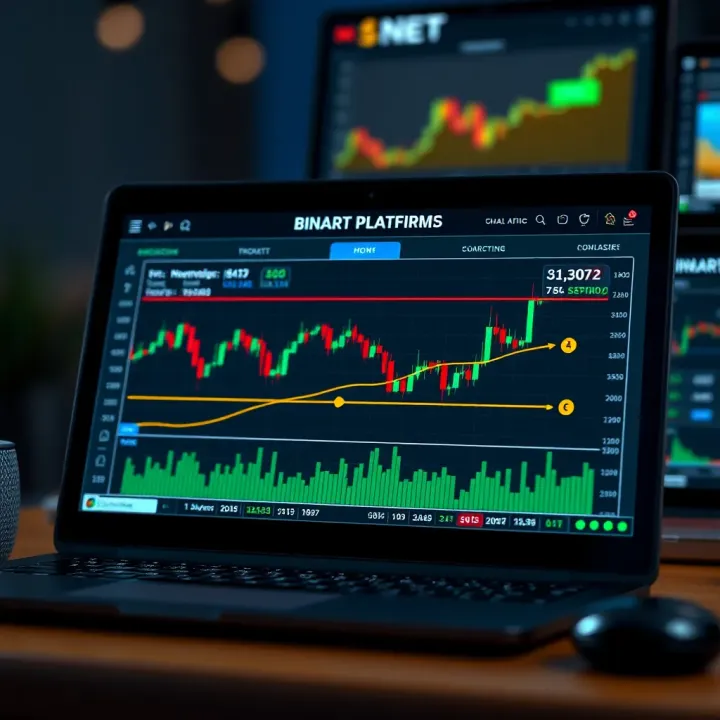
Many traders are drawn in by the promise of straightforward profits, but it’s important to remember that binary trading often carries a higher risk profile compared to other trading forms.
Binary platforms typically list various underlying assets such as shares from Blue Chip companies, currency pairs like ZAR/USD, commodities (gold, platinum), and indices. The trader chooses an asset, predicts price movement within a selected expiry time — which can be as brief as 60 seconds or longer like several hours — and places a trade.
If the outcome matches your prediction at expiry, you receive a pre-agreed payout, commonly ranging between 70%-90% of your stake. If the prediction is wrong, the full stake is usually lost. This fixed-risk nature is both an advantage and a drawback.
Regulation and Licensing: The Financial Sector Conduct Authority (FSCA) regulates trading platforms locally. Check that the binary platform operates under FSCA approval or internationally recognised licences to avoid scams.
Platform Transparency: Look for clear terms on payouts, fees, and withdrawal processes. Unclear or hidden fees can eat into your capital quickly.
Market Volatility: Binary options are sensitive to volatility. Unexpected political events or economic data releases can cause rapid price swings that affect your predictions.
Trading Tools: A good platform provides charts, indicators, and educational resources to help traders make better decisions. Avoid platforms that rely purely on luck.
Start with a demo account to test strategies without risking real money.
Use disciplined money management — never invest more than you can afford to lose.
Keep abreast of local news and global events impacting markets.
Understand the tax implications of your trading profits under SARS rules.
Building a solid foundation with knowledge and caution helps South African traders navigate binary trading platforms more confidently and responsibly.
Understanding what a binary trading platform is and how it works is essential for any South African trader keen on getting involved with this fast-paced financial market. These platforms offer a unique way to trade by betting on the direction of asset prices within a specified timeframe, making them appealing for those who want a straightforward, short-term approach to trading. With South Africa's growing appetite for flexible investment options, grasping the basics here helps you evaluate whether binary trading suits your style and risk tolerance.
Binary options are essentially contracts that pay out a fixed amount if a certain condition is met by the expiry time—usually whether an asset's price will be above or below a set level. Unlike traditional trading where profit or loss depends on how much the price moves, binary options offer a clear, all-or-nothing outcome, simplifying profit calculations. This can appeal to traders who prefer to quickly understand their potential gains or losses upfront without the complexities of managing stops or limits.
When you place a binary trade, you predict the direction of an asset's movement over a fixed period — say, the next 15 minutes or an hour. You click either 'Call' (price will rise) or 'Put' (price will fall). If your prediction proves correct at expiry, the platform pays out a predefined return, often around 70% to 90% of your stake. Get it wrong, and you lose the entire stake. This straightforward process means execution is largely automated, and you don’t have to worry about selling or buying the asset itself; the trade is settled in cash, making it accessible even for smaller traders.
Forex pairs remain among the most popular assets for binary trading, especially for South African traders familiar with currency markets. Common pairs include USD/ZAR, EUR/USD, and GBP/USD. The appeal here is the constant movement in forex markets, driven by economic news or central banks’ announcements, offering plenty of short-term opportunities for binary traders. The volatile nature of forex means quick decisions can lead to gains, but caution is necessary to avoid rapid losses.
Many platforms list well-known stocks like Naspers, Shoprite, or international favourites such as Amazon and Apple. Indices, representing groups of stocks like the JSE Top 40 or the S&P 500, allow traders to speculate on the overall market direction rather than a single company. This can be attractive if you want to avoid company-specific risks. Binary trades on stocks and indices provide variety and the chance to capitalise on broader market trends or corporate events.
Trading binary options on commodities such as gold, silver, and oil taps into South Africa’s resource-rich economy and global demand shifts. Cryptocurrencies like Bitcoin and Ethereum add another layer of excitement due to their high volatility and growing popularity. Both asset types can move sharply within short periods, suiting the typical binary trade’s short expiry times. But be aware: the same price swings that promise profits also increase the risk of quick losses.
Binary trading platforms simplify an otherwise complex market by offering fixed-risk, fixed-reward trades on a broad range of assets, making them particularly accessible to traders who prefer clear outcomes and short-term opportunities.
By understanding the essential mechanisms and asset options available, South African traders can better assess how binary trading fits their financial goals and risk appetite.
Choosing a trustworthy binary trading platform is not just about flashy ads or big promises. The core features a platform offers can make or break your trading experience, especially here in South Africa where access, security, and support hold extra weight. Understanding these key features helps you avoid common frustrations like complex interfaces, delayed payments, or lack of vital trading tools.
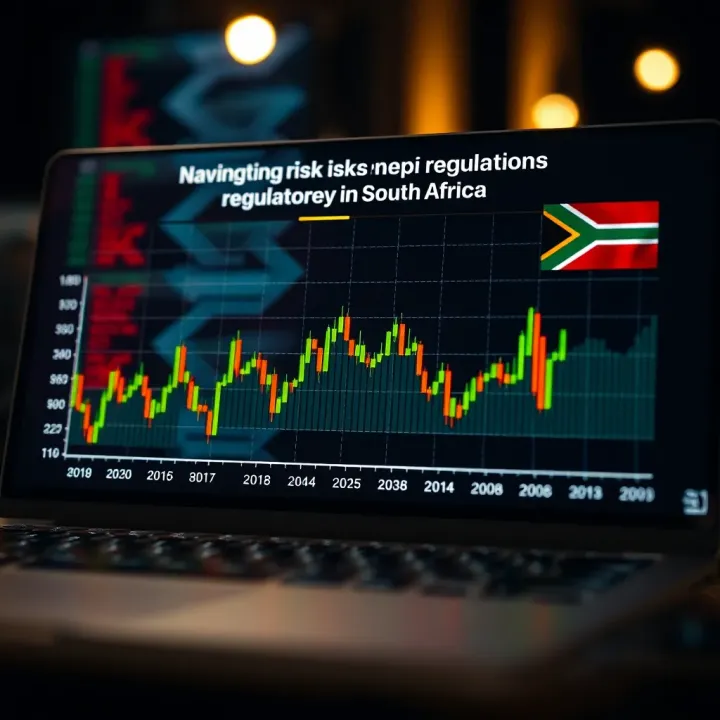
A user-friendly interface is fundamental. Imagine trying to place a trade but getting lost in a maze of confusing tabs or unclear labels. The best platforms keep things simple and logical, allowing you to move quickly between assets, charts, and account settings. For instance, platforms like IQ Option offer clean layouts where you don't need a manual to find the trade button. This matters because every second counts in binary trading—the quicker you find what you need, the better your chances of making timely decisions.
South African traders often switch between devices depending on where they are. A platform that works well only on desktop or only on mobile can be limiting. Ideally, the platform should run smoothly on both desktop browsers and mobile apps, whether Android or iOS. For example, if you’re commuting on the Gautrain, you might prefer trading on your mobile; at home, the detailed views on desktop come in handy. Both versions should sync your account data seamlessly, so you’re never out of step.
Good trading depends on solid information. Platforms with built-in charts and technical indicators let you analyse trends without juggling multiple apps. Common tools include moving averages, RSI, and Bollinger Bands, which help signal when to enter or exit trades. Imagine spotting a pattern on the JSE Top 40 that hints at a market move; having in-platform tools means you act fast without switching windows or risking missing out.
Especially if you’re new to binary trading, access to a demo account is golden. It lets you practise without risking real rand. For example, a platform offering a demo with R10,000 virtual funds enables you to test strategies or get comfortable with the interface. Coupled with clear tutorials, it’s like having a coach beside you. This hands-on learning drastically reduces rookie mistakes and boosts confidence before putting actual money on the line.
Dealing with deposits and withdrawals can get tricky if local payment methods aren't supported. South African traders prefer platforms accepting EFT from major banks (FNB, Absa, Standard Bank), SnapScan, or even EFT wallets. Using familiar payment channels cuts down processing time and fees. Platforms that force international bank transfers or obscure methods often frustrate users with high costs or delays.
Knowing how fast you can access your winnings is key. Reliable platforms process withdrawals promptly, usually within 24 to 72 hours. Watch out for excessive withdrawal fees or hidden charges that can eat into profits—some platforms penalise frequent withdrawals. Transparent terms on fees and realistic timeframes help you plan your funds better, especially when you need access to cash for everyday expenses.
Selecting a binary trading platform with these features in mind helps South African traders safeguard their funds, optimise trading performance, and avoid headaches from clunky or unreliable services.
In short, pay close attention to the platform's usability, tools, and financial processes before committing your hard-earned rand. These practical considerations can save you time and stress as you navigate the binary trading scene here in Mzansi.
Binary trading can seem quite attractive with its promise of quick returns, but it's crucial to understand the risks involved. Many South African traders dive in without proper knowledge of potential pitfalls, often leading to significant losses. This section covers the main risks and legal challenges you should be aware of before making a move.
Binary trading essentially boils down to betting on whether an asset's price will go up or down within a set timeframe. The reward is usually a fixed payout if you guess correctly, but the risk is losing your entire stake if you're off. For example, if you invest R1,000 on a forex pair and your prediction fails, you forfeit the whole R1,000. Unlike traditional trading where you can limit losses or cut positions, binary options have an all-or-nothing nature that demands careful judgment.
It’s tempting to chase big payouts, but the odds often favour the platform over the trader. Risk management means accepting that not every trade will pay off and setting limits to your exposure accordingly.
Many traders fall into the trap of chasing losses or relying on ‘guaranteed’ strategies pushed by dubious sources. For instance, some believe they can outsmart the market by following signals or bots — but this rarely pans out. Lack of a well-researched strategy often leads to reckless betting.
Another common mistake is neglecting to understand the terms of the trade, such as expiry times or payout percentages. For example, a trade might expire minutes after opening, and small market shifts can wipe out your stake quickly. Always check these conditions before placing a trade.
The FSCA does not currently regulate binary options trading platforms that operate purely online and offshore. This means South African traders usually deal with platforms beyond local regulatory oversight. The FSCA has issued warnings against unlicensed providers, highlighting the risk of scams.
Because of this, traders should be cautious and avoid platforms without clear licensing or those that don't comply with FSCA guidelines. Using unregulated platforms increases the chances of difficulty in withdrawing funds or receiving poor customer support.
FICA requires financial service providers to verify identities and monitor transactions to prevent fraud and money laundering. While this primarily targets local financial institutions, some licensed binary trading platforms also implement FICA checks.
For traders, this means you may need to submit ID documents and proof of residence before starting or withdrawing funds. These checks aim to protect your account and the financial system as a whole, but they can also slow down the onboarding process and transactions if documents aren’t in order.
Always deal with platforms that adhere to FICA verification where possible, as it adds a layer of security for your trading activities.
Being aware of these financial and legal factors will help you avoid unnecessary losses and protect your investments when trading binary options.
Selecting the right binary trading platform can make a significant difference in your trading experience and outcomes. In South Africa, where the financial landscape is influenced by local regulations and market specifics, picking a reliable platform is more than just convenience—it's about safeguarding your money and data. A well-chosen platform helps you trade confidently, avoid scams, and ensures smoother transactions with local payment methods.
Licensing is your first line of defence against fraudulent platforms. In South Africa, the Financial Sector Conduct Authority (FSCA) regulates financial service providers, though binary options are only partially covered. Some legitimate platforms hold licences from equally respected international bodies like the Cyprus Securities and Exchange Commission (CySEC) or the UK’s Financial Conduct Authority (FCA). You can check licence details usually displayed on the platform’s website footer or in their "About Us" section. Cross-reference these licence numbers with the respective regulatory agency’s official online registers to confirm validity.
This verification is practical because it tells you whether the platform meets certain standards in transparency, capital requirements, and client protection. Without this step, you risk using unregulated platforms, which often lack accountability when things go sideways.
User feedback offers invaluable insights beyond official documents. Look for reviews on trusted forums or financial communities like MyBroadband or well-known international sites, keeping an eye on recurring complaints about delayed withdrawals, hidden fees, or poor customer support. Platforms with frequent unresolved issues are best avoided.
Of course, take individual reviews with a pinch of salt, but patterns tell stories. A platform praised for swift payouts and clear communication usually sets itself apart. Engaging with other South African traders, for instance on social media groups, can also highlight experiences relevant to local payment options or regulatory hurdles.
Security should be non-negotiable. Encryption protects your personal and financial data from prying eyes during online transactions. Look out for HTTPS connections—the padlock icon in your browser—and platforms that mention using SSL (Secure Socket Layer) or TLS (Transport Layer Security) protocols. These technologies scramble your information, so even if intercepted, it’s unreadable.
Platforms without strong encryption expose you to risks like identity theft or cyber fraud. South African traders are particularly vulnerable given the rise in cybercrime linked with online investments. Thus, always double-check these security basics before depositing.
South Africa’s POPIA sets clear guidelines on handling personal data. Reputable binary trading platforms should adhere to POPIA, ensuring your details are collected and stored responsibly. This means they obtain your consent, disclose why they collect your data, and keep it safe from misuse.
Practical relevance? A POPIA-compliant platform reduces risks of your data being sold or leaked, protecting you from spam, scams, or identity fraud. If a platform is vague about data policies or doesn't seem to care about your privacy, it's a red flag worth considering seriously before you sign up.
Choosing a licensed, well-reviewed, and secure binary trading platform is key to protecting your investment and personal information in South Africa’s digital trading space.
By keeping these points in mind, you’ll be better equipped to find a platform that’s not just convenient, but also trustworthy and secure—critical when handling real money in volatile markets.
Successfully trading binary options requires more than luck; it’s about a clear plan and solid risk management. These elements help you avoid common traps and protect your capital, especially given the volatile nature of binary trading. By focusing on realistic goals, practising strategies, and managing your money carefully, you improve your chances of staying in the game longer and making smarter choices.
Setting realistic goals is key. Many traders jump in expecting quick riches but soon find that binary trading doesn’t work like that. Instead, aim for modest, achievable targets that reflect your experience and market conditions. For instance, rather than aiming for a 100% return in a week, consider setting a goal to increase your capital by 5–10% monthly. This keeps expectations grounded and helps you stay patient during inevitable losing streaks.
Using demo accounts is a smart step before risking real Rand. Demo accounts let you practise in real market conditions without financial risk. South African brokers offering demo versions let you test strategies, understand platform quirks, and build confidence. Think of it as a dress rehearsal; just like you wouldn’t perform a braai for guests without practising, don’t start trading live before mastering the basics.
Budgeting for trades means setting aside only money you’re prepared to lose. It’s tempting to bet big on "sure things," but risking your entire trading budget on one or two trades often leads to trouble. A practical rule is not to risk more than 1–2% of your trading capital on a single trade. This way, even a losing streak won’t wipe out your entire investment.
Avoiding emotional decisions is often overlooked but crucial. Binary trading’s speed and volatility can trigger impulsive reactions—like trying to recoup losses by betting recklessly. Discipline is key: stick to your strategy and predefined limits. If you feel frustrated or overwhelmed, take a break. Remember, even the best traders have bad days; managing emotions prevents these from snowballing into serious losses.
A steady approach combined with careful risk management helps navigate the ups and downs of binary trading. Patience, practice, and discipline can make a real difference in your trading outcomes.
By keeping these tips front of mind, South African traders can approach binary platforms with better preparedness and a stronger chance of success.
📊 Learn how to pick trustworthy binary brokers, understand South African market risks, and protect your investments wisely in this practical trading guide. 🇿🇦

📊 Explore platform trading in South Africa: tools, types, and tips to choose the right platform, navigate regulations, and stay ahead with local insights.

📈 Explore IQ Option trading with practical tips for South African traders! Understand forex, stocks, crypto, payment methods, regulation, and risk management.

🚀 Discover Eightcap's competition details for South African traders: how to enter, prizes up for grabs, plus insights on trading tactics and community benefits.
Based on 8 reviews