

Platform Trading Guide for South African Traders
📊 Explore platform trading in South Africa: tools, types, and tips to choose the right platform, navigate regulations, and stay ahead with local insights.
Edited By
Amelia Scott
Trading bots are software tools designed to handle trading tasks automatically by following predefined rules. These programs buy and sell financial instruments—like shares, forex, or cryptocurrencies—without the need for constant human input.
In South Africa, where markets can be influenced by factors such as Eskom loadshedding and exchange rate swings, trading bots offer a way to react quickly and consistently. They monitor the markets, analyse price movements, and execute trades based on strategies that users set up beforehand.

One advantage of bots is their ability to operate 24/7, especially useful in cryptocurrency markets that never close. This can be a real boost, considering human traders cannot monitor markets around the clock. Plus, bots remove emotional bias, which often leads traders to deviate from their plans.
However, bots aren’t foolproof. They depend heavily on the quality of the strategy programmed into them and the reliability of data inputs. In South African trading environments, where internet outages or unstable connections might occur, bots can misfire or make unsuitable trades. Additionally, bots cannot adapt to unexpected political changes or economic announcements unless those are factored into their algorithms.
Different types of bots are popular among local traders. For instance:
Trend-following bots: These track moving averages and breakouts to catch market directions.
Arbitrage bots: Exploit price differences between exchanges, ideal in the cryptocurrency space.
Market-making bots: Continuously place buy and sell orders to profit from spreads.
To use a trading bot effectively, it’s crucial to understand the underlying strategy and tailor it to your risk tolerance and the peculiarities of South African markets. Blindly following hype can lead to losses.
Taking the time to test bots in simulated environments or with small stakes helps prevent costly mistakes. As with any tool, trading bots can enhance your strategy but require ongoing oversight and adjustment to stay effective.
Grasping how trading bots work is vital for South African traders who want to keep up with the evolving market. Bots take over the repetitive task of executing trades based on pre-set rules, removing human hesitation and enabling faster responses to market moves. This understanding helps traders decide when and how to deploy these tools effectively.
A trading bot is software designed to automatically carry out trading activities in financial markets. Instead of manually watching charts and placing orders, the bot uses coding to spot opportunities and act on them. For example, in the volatile cryptocurrency market, bots can spot sudden price changes to open and close trades quickly while you are offline.
Automation means these bots work without needing constant human input, allowing trades 24/7—a notable edge given South Africa’s time zone difference relative to global markets. This continuous operation helps capture opportunities even during local night hours, while manual traders might miss out. Automation also takes the emotional bias out of trading decisions, sticking strictly to the strategy laid out in the programming.
At their core, bots follow algorithms—step-by-step instructions or rules coded by the developer. These rules dictate when to buy, sell, or hold an asset. For example, a bot might be coded to buy a share if its moving average crosses above the 50-day moving average and sell if it dips below. This approach keeps actions consistent and removes guesswork.
Bots depend heavily on market data, such as price, volume, and order book information. They also use technical indicators like Relative Strength Index (RSI), Bollinger Bands, or MACD to gauge momentum and identify entry or exit points. South African traders, for example, could set a bot to trigger trades on the JSE based on specific local market behaviour captured through these indicators, helping them respond to trends or reversals faster than manual tracking.
Understanding these elements helps traders set realistic expectations and monitor bots properly, ensuring the technology complements their trading style rather than replacing their judgement outright.
By knowing how bots operate and the logic behind them, South African traders can better tailor their strategies and navigate challenges such as local regulation and market volatility with confidence.
For South African traders, understanding both the perks and pitfalls of using trading bots is key. These automated tools can handle trading decisions swiftly but do come with risks that shouldn't be overlooked. Knowing what works and what might trip you up helps in making smarter choices.

Trading bots can process orders in milliseconds, far faster than any human trader. This speed is handy when dealing with volatile markets like those experienced during times of Eskom loadshedding announcements or sudden rand fluctuations. For instance, a bot can instantly capitalise on a price dip across the JSE or local cryptocurrency exchanges like VALR, executing trades before manual intervention could even react.
Bots never sleep or feel nervous. They stick to their programmed rules around the clock, which is valuable for crypto traders dealing with markets that run non-stop. Unlike humans who might panic-sell or hesitate during rapid changes, bots keep trading steadily, resisting emotional impulses that often cause losses. This consistency can prevent sellers from offloading shares too quickly when local news stirs uncertainty.
A bot doesn’t second-guess itself. Once you set your strategy, whether it’s a trend-following approach or arbitrage, the bot applies it uniformly. This cuts down on human error or oversight. It’s like having a persistent assistant that won’t forget to re-balance your portfolio during a market swing or a period of economic turbulence in South Africa.
Bots rely on technology and stable internet connections. In South Africa, where power cuts and connectivity hiccups can happen, a sudden loss of signal or platform downtime could cause missed trades or executions at unfavourable prices. Moreover, high market volatility can confuse bots if the programmed rules don’t adjust well, potentially leading to unexpected losses.
Although bots automate trades, they’re not "set and forget". Traders still need to keep an eye on performance and adjust parameters as market conditions change. For example, local political events can shift market sentiment dramatically, requiring strategy updates. Without regular oversight, bots might continue trading on outdated signals.
Good trading bots don’t come cheap. Subscription fees, platform charges, and sometimes additional costs for data feeds can pile up. This might deter smaller traders or beginners in South Africa who won’t yet see a clear return on investment. Plus, integrating bots with local brokers or exchanges can sometimes be tricky, limiting access or increasing setup complexity.
Bots offer clear advantages, especially for speed and emotional control, but South African traders must weigh these against technical, financial, and oversight challenges to trade smartly.
Understanding the different types of trading bots is key for South African traders aiming to use automation effectively. Each bot follows specific strategies tailored for distinct market conditions. Knowing their unique strengths and limitations helps traders choose the right tool and manage risks better.
Trend-following bots work by identifying the direction of a market’s price movement and making trades aligned with that trend. They buy during an upward trend and sell or short when a downward trend is detected. For example, a bot might track the 50-day moving average of the JSE Top 40 index and place trades when prices break above or below this average. This approach suits markets with clear, sustained movements rather than sideways trading.
Trend-following bots excel in volatile but directional markets, such as commodities like gold or indices with sustained momentum. However, in choppy or range-bound markets, these bots risk frequent false signals that erode profits. South African markets can sometimes be unpredictable, especially with political or economic events impacting prices sharply, so careful parameter tuning is essential.
Arbitrage bots scan multiple trading venues to spot price differences for the same asset and simultaneously buy low on one exchange while selling high on another. For instance, a cryptocurrency arbitrage bot might buy Bitcoin from a South African exchange like Luno and sell it on Binance if there's a price gap big enough to cover fees and still yield profit.
South African traders face unique hurdles with arbitrage, including delays in transferring funds between local and international exchanges, transaction fees, and currency conversion costs. Exchange liquidity and regulatory oversight can also limit the speed and volume of trades, reducing arbitrage opportunities or making them too narrow to be profitable.
Market-making bots place buy and sell orders around the current market price, profiting from the small difference (spread) between bid and ask prices. This approach adds liquidity to the market, helping smoother price discovery. For example, on the Johannesburg Stock Exchange, a market-making bot might continuously offer to buy shares of a thinly traded stock slightly below market value and sell slightly above it.
Operating a market-making bot demands significant capital to cover buy and sell orders at any moment. Too little capital restricts effectiveness and increases risk, since large price swings can lead to losses if the bot cannot offload inventory quickly. South African markets’ occasional low liquidity means bots must be carefully managed to avoid large exposure during volatile periods.
For South African traders, matching the right bot type to their market and risk appetite can be a powerful way to automate trades. Yet, understanding practical constraints helps avoid surprises and ensures bots work in your favour, not against you.
Trading bots offer a powerful edge in modern trading, but South African traders must approach them carefully. Practical guidance helps you pick the right tools, manage risks, and comply with local rules. This section focuses on smart choices around bot selection, ongoing supervision, and staying secure in South Africa’s evolving trading environment.
Choosing a trading bot means looking past flashy claims. You want one with a proven track record, solid user reviews, and transparent algorithms. For example, a bot offering backtested strategies that align with your trading style can save weeks of trial and error. Equally, the bot should be transparent about how it reacts during volatile moments—an important factor given South Africa’s sometimes unpredictable market swings.
Not every bot will work smoothly with South African platforms like EasyEquities or even international brokers that South African traders prefer. Before committing, check that the bot supports secure API connections with your broker and can handle local currency (ZAR) transactions without hiccups. This avoids delays or costly errors that can eat into profits, especially if trades depend on rapid execution.
Bots can trade fast, but you need to control how much risk they take. Setting clear limits on maximum losses, trade sizes, and stop losses helps prevent dramatic drawdowns. For example, you might cap a bot’s daily loss at 2% of your trading capital to safeguard funds during rough patches. Regular reviews ensure these thresholds fit ongoing market conditions.
Markets seldom stay still, more so with events like Eskom load shedding impacting investor sentiment or global economic shifts causing sudden calls for caution. Bots programmed with rigid logic may fail here. So, traders should fine-tune their bot’s strategy parameters regularly. Switching from trend-following to more conservative tactics during uncertain times helps maintain steady returns.
Trading bots operate within a regulated framework overseen by the FSCA. Understanding which bots comply with these rules is essential to avoid legal headaches. For instance, bots must not mislead users or promise guaranteed profits, as this breaches FSCA guidelines. Choosing bots from reputable sources that clearly state their FSCA compliance adds peace of mind.
Compliance isn’t just about legality—it protects you from scams or unreliable software that could drain your capital.
Bots interact with your trading accounts via APIs, which can be vulnerable points. Use bots that prioritise strong encryption and offer two-factor authentication (2FA). Also, avoid sharing your full account keys where possible. Local traders should be cautious about bots requiring extensive permissions to withdraw funds, which increases exposure to fraud. Regularly changing passwords and monitoring transactions remain vital practices.
By following this practical advice, South African traders can make the most of trading bots while minimising pitfalls. A thoughtful approach helps you harness automation effectively, keeping control firmly in your hands.
📊 Explore platform trading in South Africa: tools, types, and tips to choose the right platform, navigate regulations, and stay ahead with local insights.
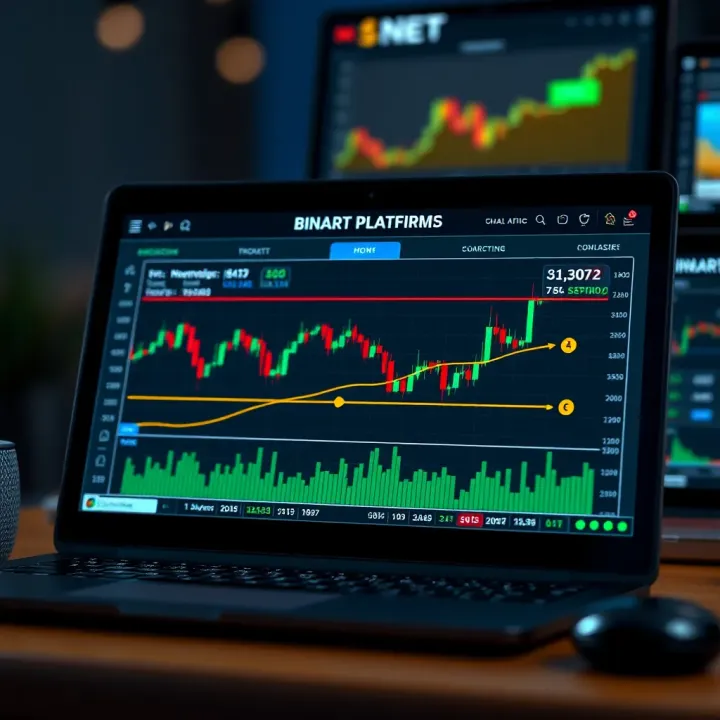
📊 Discover how binary trading platforms work, key features to watch, and practical tips for South African traders to navigate risks and regulations confidently. 🇿🇦

📈 Explore IQ Option trading with practical tips for South African traders! Understand forex, stocks, crypto, payment methods, regulation, and risk management.

🚀 Discover Eightcap's competition details for South African traders: how to enter, prizes up for grabs, plus insights on trading tactics and community benefits.
Based on 13 reviews